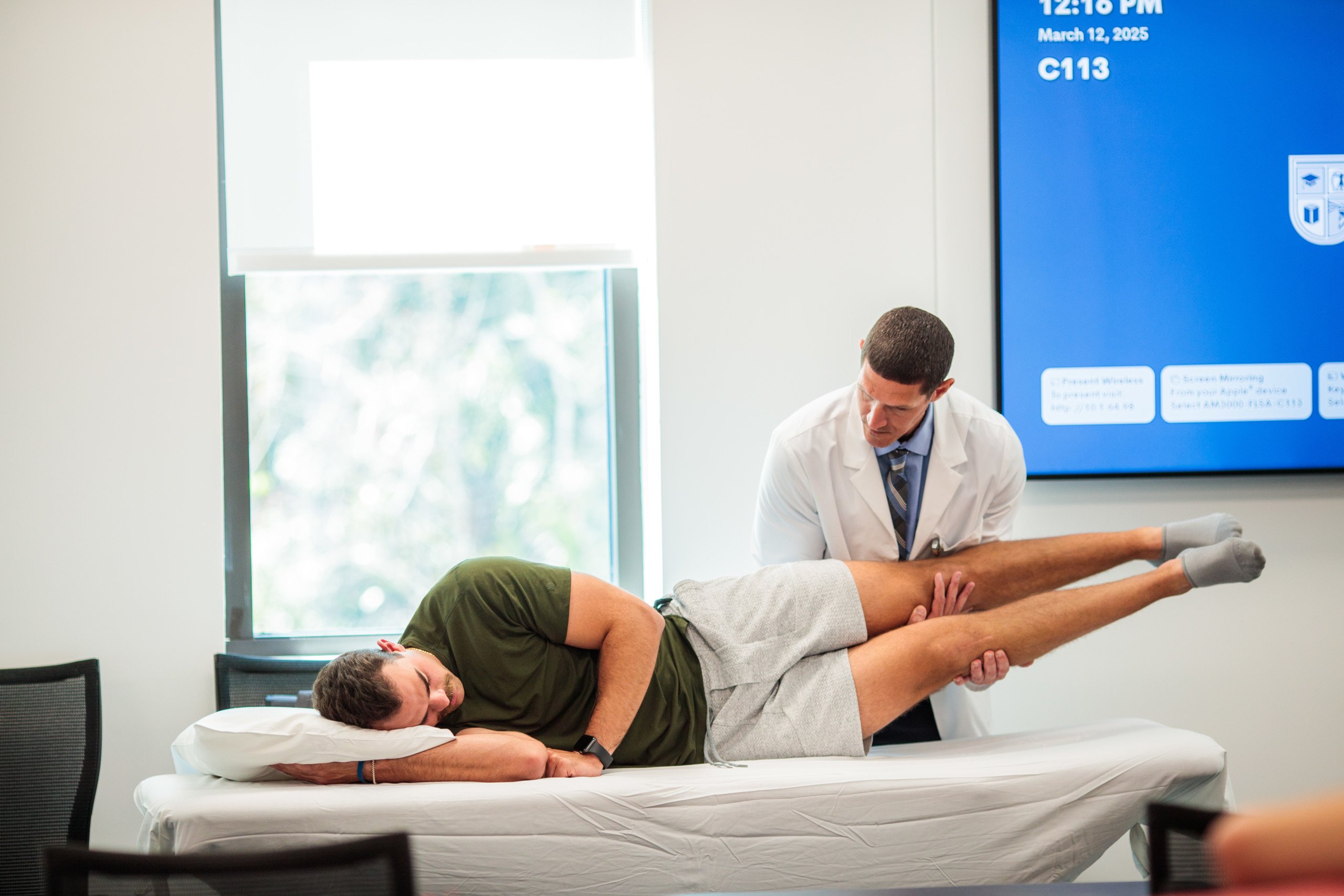

Sports medicine physical therapy (PT) is a specialized therapeutic field that focuses on preventing and treating injuries among athletes and active individuals.1 PT helps athletes recover from injuries and utilizes biomechanical knowledge to optimize performance and accelerate recovery.1
What is Sports Medicine Physical Therapy?
Sports medicine physical therapy is a specialized form of physical therapy (PT) that treats musculoskeletal injuries sustained by athletes and active individuals.2 The goal of sports medicine PT is to restore function, reduce pain, and safely return the individual to activity as soon as possible.
Physical therapy in sport doesn’t only focus on rehabilitating those who have been injured—it prioritizes keeping athletes healthy and optimizing sports performance to prevent injuries while enhancing their athletic capabilities.1 A sports medicine physical therapist helps prevent injuries by devising training plans tailored to each athlete’s specific sport, which helps them to avoid the common injuries.
Is Sports Medicine the Same as Physical Therapy?
Sports medicine shares goals with physical therapy but has a more specialized client base. While physical therapy supports a range of musculoskeletal injuries, merging physical therapy and sports medicine creates a field that focuses specifically on athletes.2
The end goal of physical therapy for sports injuries is to return the patient to their sport, which is a more intense form of physical activity. In comparison, general PT focuses on improving mobility and range of motion for general, everyday activities.3 PT and sports medicine PT serve important purposes for their client base.
In addition to treating active individuals and returning them to their high activity level, sports medicine PTs also focus on priorities unique to athletes. For example, sports medicine physical therapy centers on preventing injuries in athletes and emphasizes the use of PT and training to enhance athletic performance.2
What Does a Sports Medicine Physical Therapist Do?
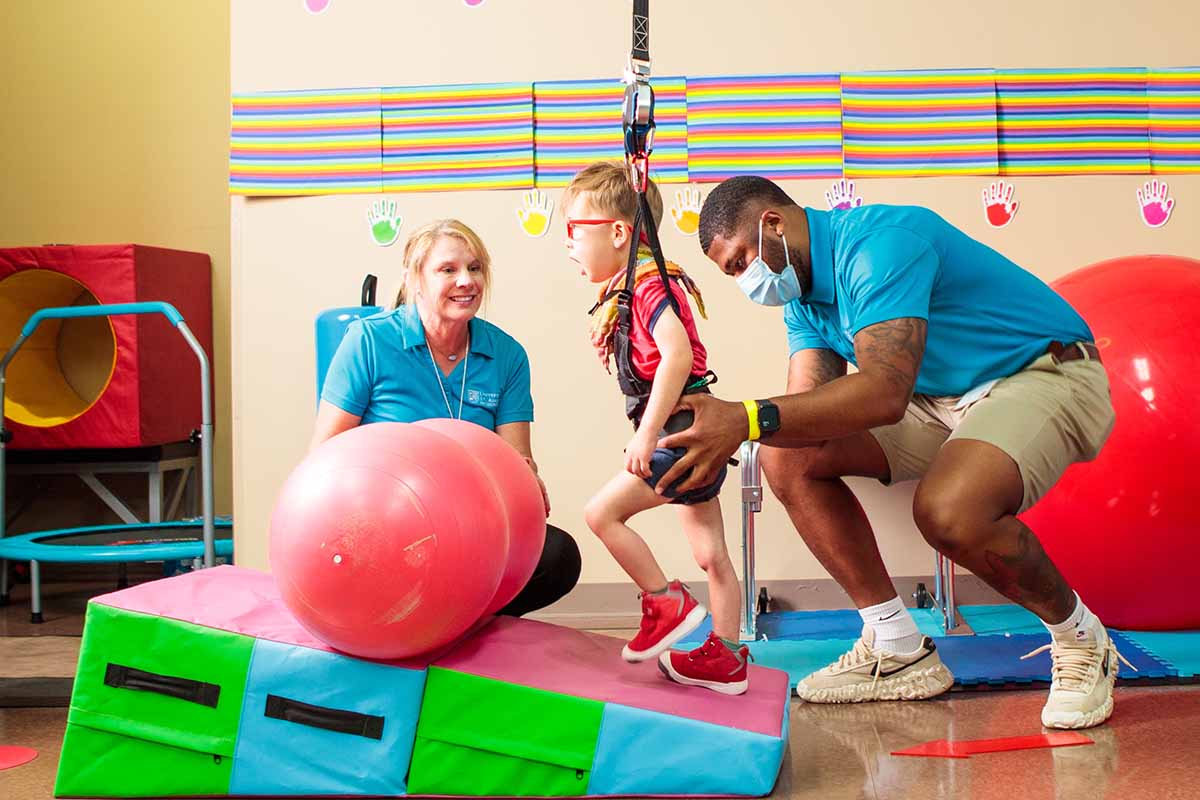
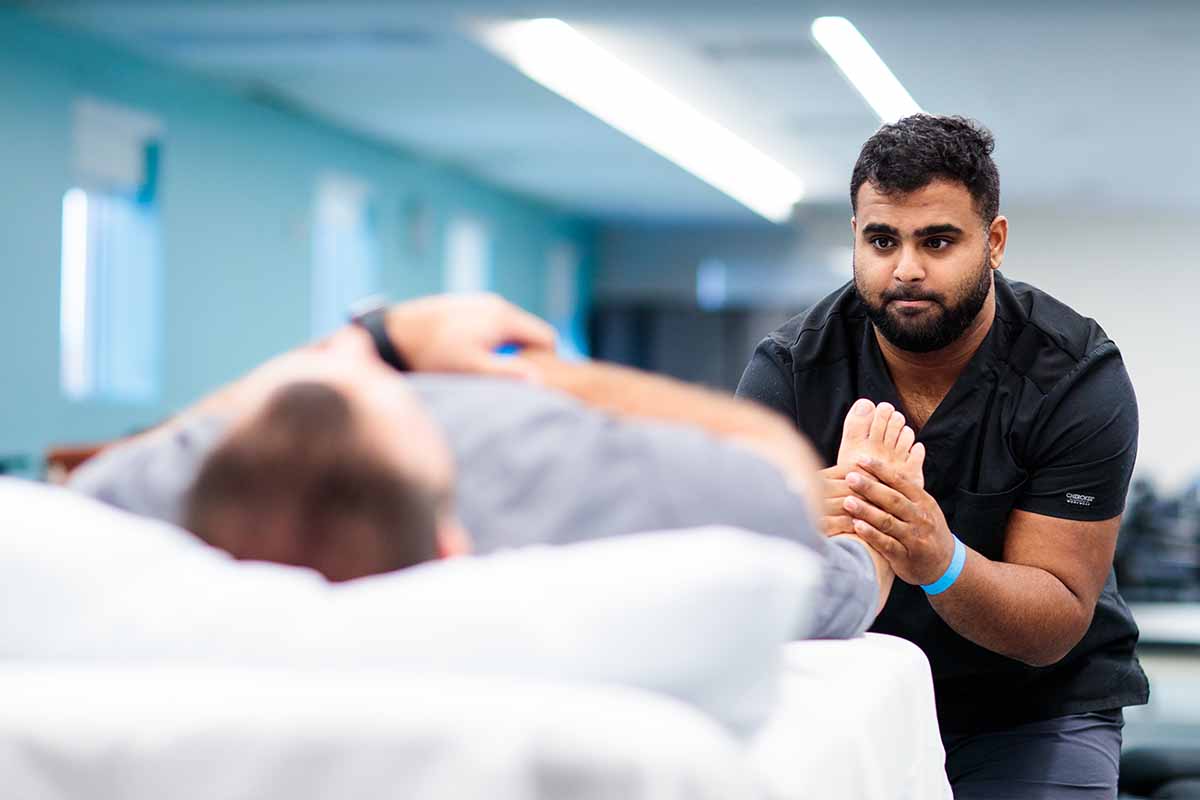
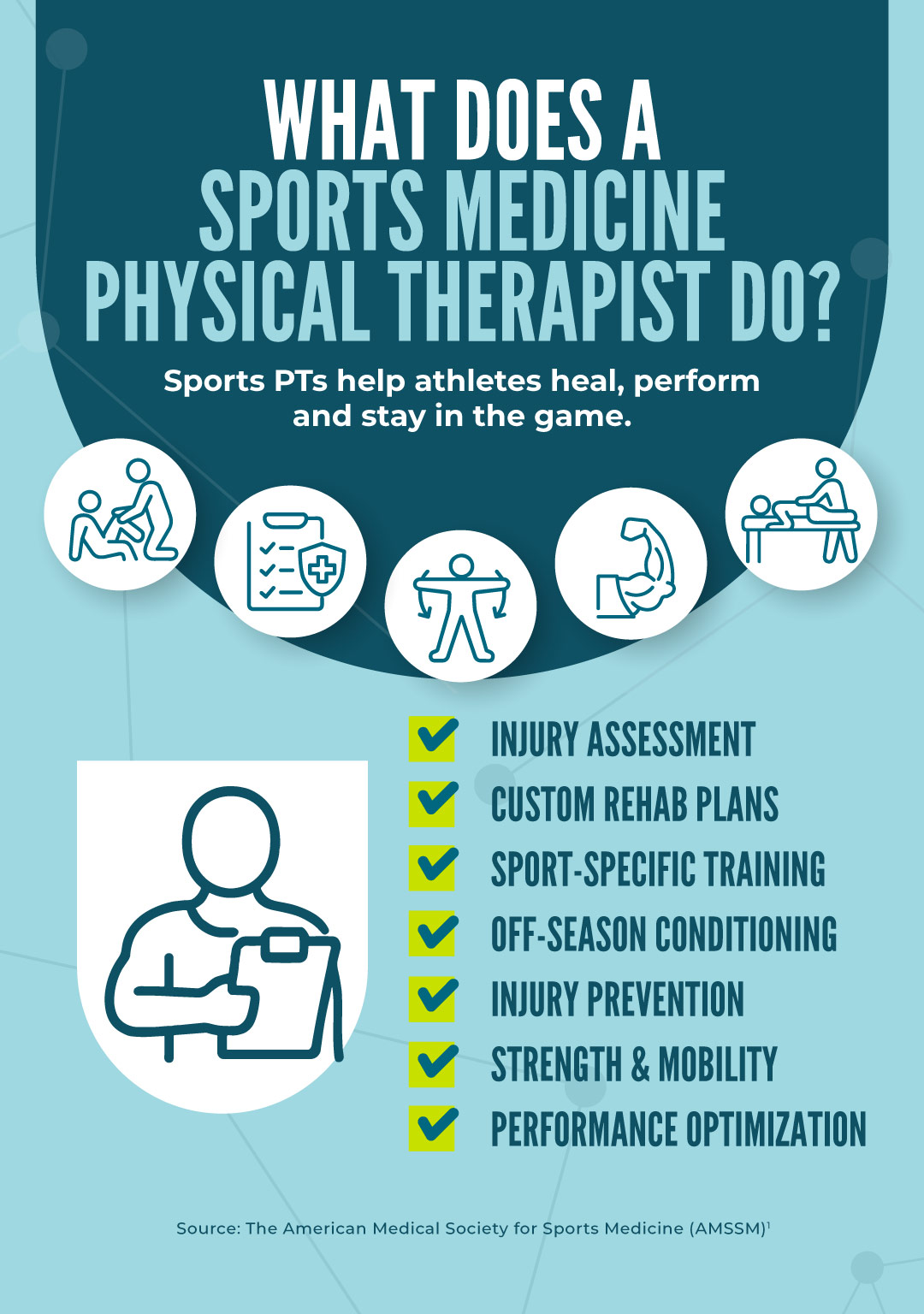
In a day, a sports medicine PT may have a range of responsibilities, including evaluating injuries sustained by athletes or active individuals, creating rehabilitation plans based on the injury, the sport and the patient’s end goal, and guiding athletes through recovery.1
A sports medicine physical therapist also aids injury prevention by devising training plans.4 This can be especially important for off-season training, as it ensures athletes continue to work their muscles rather than having a months-long break before overworking them during the season. Sports medicine PTs understand the common injuries that athletes in each sport can experience and develop training plans to help prevent specific injuries.
Physical therapists in sports medicine also help athletes improve their performance.1 With the integration of training plans that strengthen the muscles required for their sport or enhance their mobility, athletes can move faster, become stronger and achieve greater results.
The Benefits of a Sports Medicine Physical Therapist
When it comes to how the human body moves, sports medicine physical therapists are experts. They understand biomechanics, the way the muscles, tendons and ligaments in the body function and move.1 This, combined with their knowledge of sports-specific movements, supports their understanding of how sports can lead to various injuries, which in turn guides the rehabilitation process.
By targeting the root causes of injury, sports medicine physical therapy not only speeds up recovery but also boosts performance when athletes return to the field. Some of the key factors that physical therapy for athletes focuses on include enhancing strength, flexibility and agility.5
During the rehabilitation process, a sports medicine PT also focuses on reducing the risk of reinjury.2
How To Become a Sports Medicine PT
A physical therapist in sports medicine is a highly trained individual. These are some of the key pathways to become a physical therapist in sports medicine.
Educational Pathway
The path to becoming a sports medicine physical therapist begins with earning a Doctor of Physical Therapy (DPT) degree. Admission to a DPT program typically requires an undergraduate degree along with specific prerequisite courses. While any major can meet these requirements, students often choose fields such as human anatomy, physiology or biomechanics to build a strong foundation for graduate study. An undergraduate major in sports medicine can also help prepare students for the academic demands of a DPT program.
Doctor of Physical Therapy (DPT) Program
With the undergraduate courses complete, students interested in entering the field of sports medicine physical therapy must earn a Doctor of Physical Therapy (DPT). The duration of the program may vary. At the University of St. Augustine for Health Sciences (USAHS), the DPT program typically takes between 2.3 and 3 years, depending on the pathway you choose.
The USAHS DPT program focuses on:
- Anatomy and physiology
- Movement science and pathology
- Therapeutic techniques (e.g., joint mobilization and exercise prescription)
Clinical Experience
While completing the DPT program, students gain hands-on experience through clinical placements, which may include clinical sites such as sports medicine clinics, hospitals and rehabilitation centers. The purpose of the clinical experiences is to allow students to apply their classroom knowledge in real-world settings.
Licensing and Certification
Following successful completion of the DPT program, an aspiring sports medicine PT must pass the National Physical Therapy Exam (NPTE) and obtain state licensure to practice.3 Other requirements vary by state.
Specialized Training in Sports Medicine
To specialize in sports medicine, PTs can pursue certifications, such as the Sports Clinical Specialist (SCS) certification.6 Some PTs may choose to pursue residency or fellowship programs that focus on advanced sports medicine topics.7
Continuing Education
Even in sports medicine physical therapy, continuing education is essential. Sports medicine PTs must stay current with ongoing education, including certifications in emerging fields such as sports nutrition, regenerative therapies or movement analysis.8
Research is continually evolving, so a PT should stay up-to-date on the most recent advances in physical therapy for athletes to ensure that they can continue to provide the best care for their active patients.
The Value of Physical Therapy in Sports
Sports medicine physical therapy is a career path that merges biomechanics with sports, allowing you to help athletes get back to their sport and improve their performance.1
If you are interested in making a lasting impact on athletes’ recovery and performance and joining a field that is rapidly growing, request more information from USAHS while you explore DPT programs and consider specializing in sports medicine.9
Sources
- “AMSSM Sports Medicine Physician Scope of Practice,” AMSSM, 2025, https://www.amssm.org/PhyScopeOfPractice.php.
- “Sports Medicine FAQ,” AOASM, 2024, https://aoasm.org/sports-medicine-faq/.
- “Physical Therapists,” Bureau of Labor Statistics, 2025, https://www.bls.gov/ooh/healthcare/physical-therapists.htm.
- “Play Safe, Stay Strong: The Role of Physical Therapy in Injury Prevention,” Smart Sports Medicine, April 20, 2025, https://smartsportsmed.com/play-safe-stay-strong-the-role-of-physical-therapy-in-injury-prevention/.
- “Physical Therapy for Athletes: Enhance Your Performance,” Better Health Physical Therapy, March 3, 2025, https://www.betterhealthpt.com/learn/sports/physical-therapy-for-athletes.
- “Become a Board-Certified Sports Specialist in Physical Therapy,” APTA, 2024, https://specialization.apta.org/become-a-specialist/sports.
- “Becoming a Physical Therapist,” APTA, 2025, https://www.apta.org/your-career/careers-in-physical-therapy/becoming-a-pt.
- “Education & Events, AOASM, 2025, https://www.sportsmed.org/education.
- “Sports Medicine Market Size, Share & Growth Report, 2030,” Grandview Research, 2023, https://www.grandviewresearch.com/industry-analysis/sports-medicine-industry.