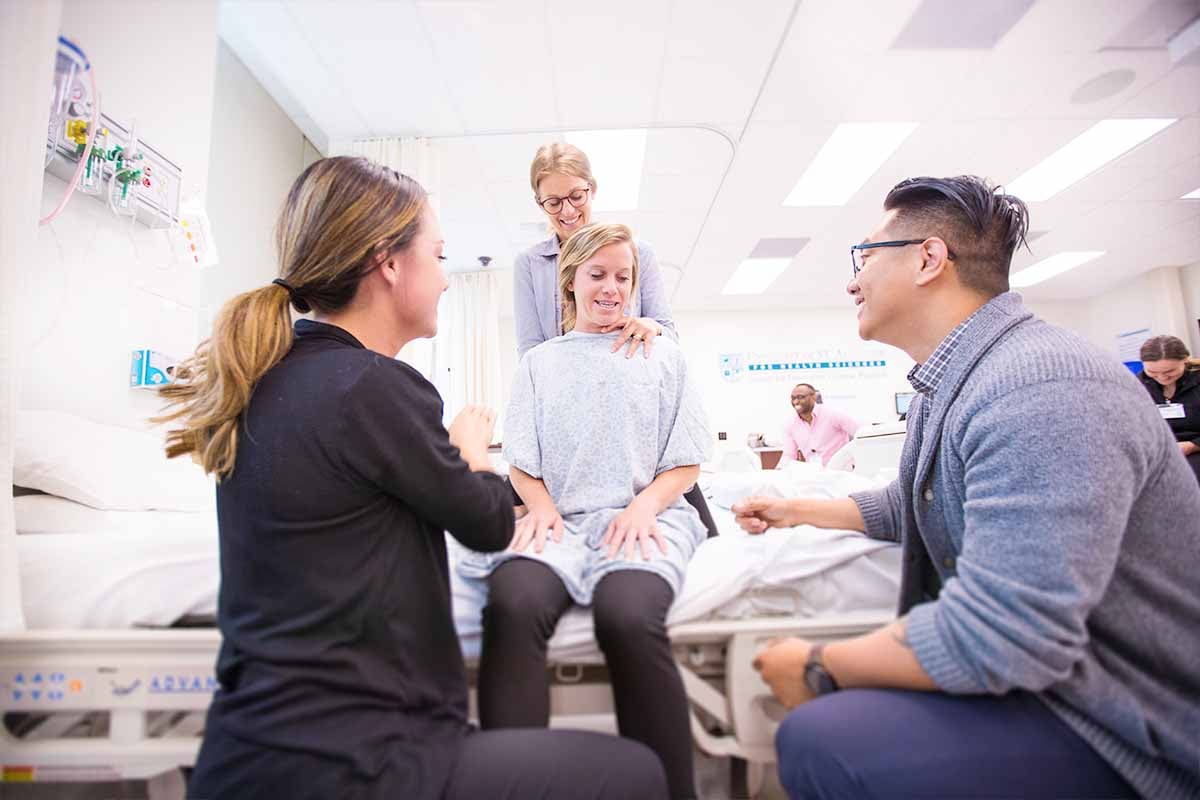
At the University of St. Augustine for Health Sciences (USAHS), the alumni network remains a driving force behind student success. Graduates across disciplines credit their own professional growth to the mentors, clinicians and educators who supported them during their academic journeys. Today, many of those alumni are committed to giving back by offering guidance, sharing expertise and creating clinical opportunities for students preparing to enter the field.
Occupational therapist Allison Caton, MOT, OTR/L (MOT ’17); Baltimore Orioles physical therapist Byron Campbell, PT, DPT, ATC, LAT, CSCS, ADN-cert (DPT ’21); and Houston based speech-language pathologist Alexis Artis, MS-SLP (MS-SLP ’23), are among the alumni who remain closely connected to USAHS. Each contributes in unique ways, from mentoring and guest lecturing to providing clinical education placements for students.
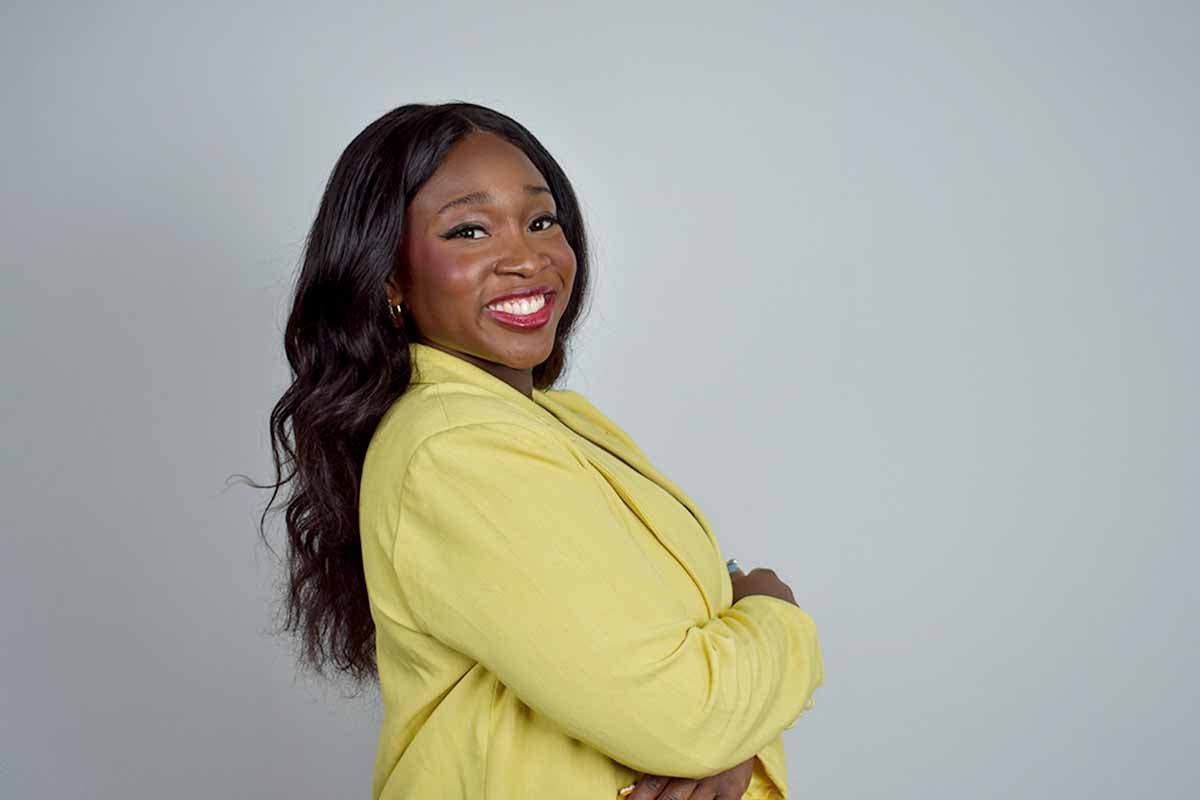
Alexis Artis, MS-SLP
Artis, who frequently participates in student panels and discussions, says she values the chance to support future speech-language pathologists as they prepare for their careers. She works with both pediatric and adult populations and owns Esther Speaks Speech Therapy, a contracting company and private practice specializing in language, fluency, pragmatics and articulation disorders.
“I love being a resource for SLP students and offering perspective about the next chapter of their lives,” Artis says.
“I am grateful for the support I received early in my career and the encouragement to become a leader. Sharing those skills with students and prospective students, whether through advice or shadowing opportunities, is important to me.”
Active on social media as @MadameAlexis on TikTok and @thetravelingartis on Instagram, Artis encourages students to seek hands-on experience in varied settings and to embrace their individuality as clinicians. Her biggest advice is to ask questions.
“You are there to learn and grow as professionals,” she says. “You will not know everything, and even after 20 years in the field, you may encounter a case you have never seen before. Never hesitate to ask for help and use the resources available to you, including your network of SLPs.”
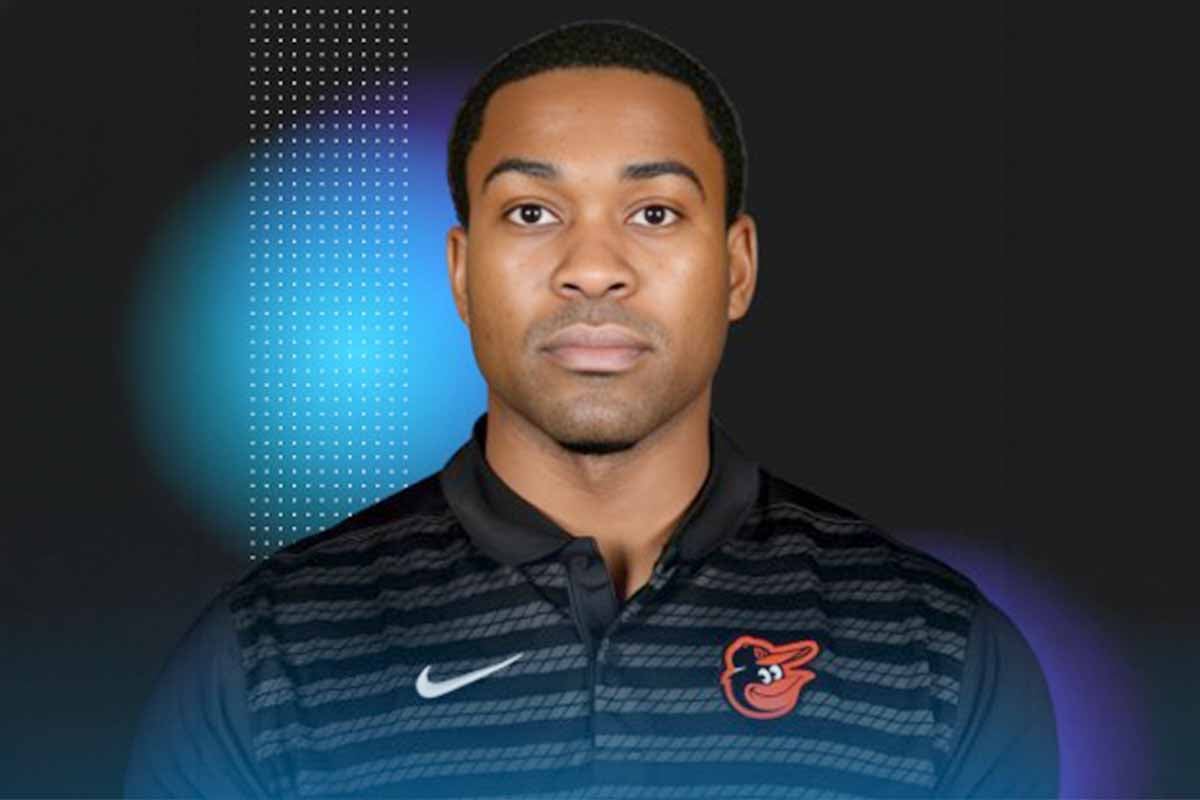
Byron Campbell, PT, DPT, ATC, LAT, CSCS, ADN-cert
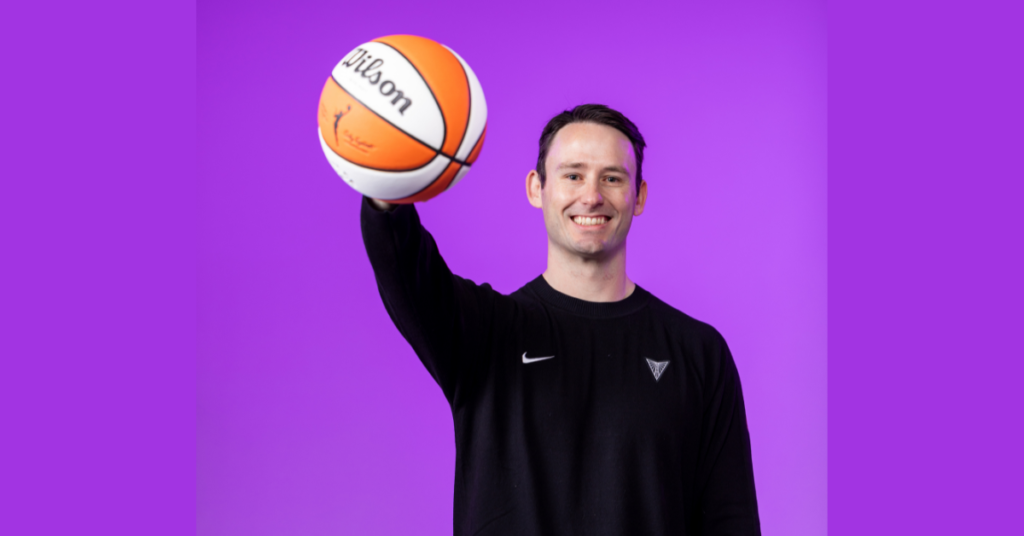
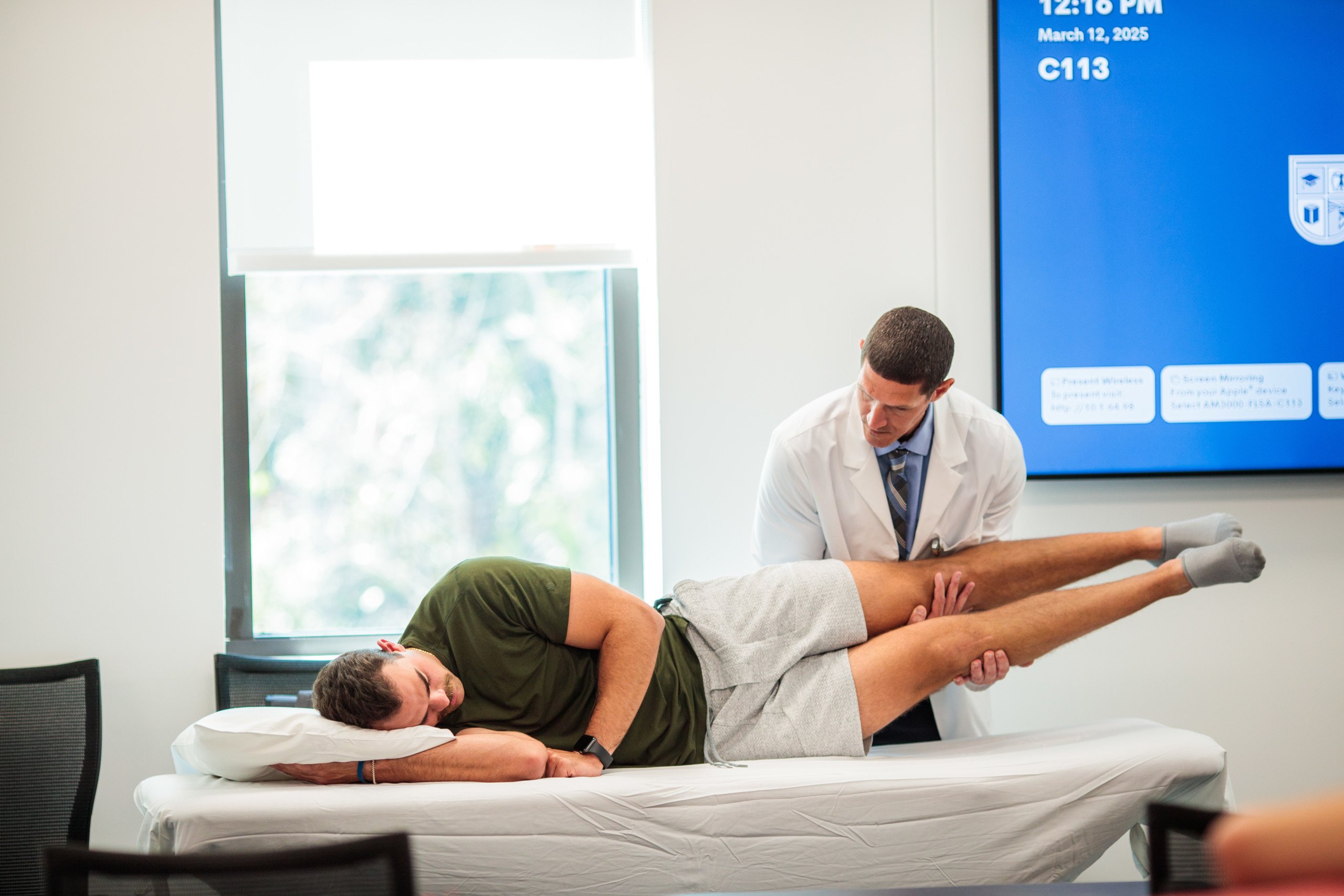
In Baltimore, Dr. Campbell serves as the senior organizational physical therapist for the Baltimore Orioles. Each semester, he provides clinical education for two USAHS PT students looking to gain experience working in a professional sports setting.
“Clinical education is the most important part of the educational process because it can shape future clinician growth and real-world outcomes,” he says.
“Students encounter real patients and real problems that a textbook alone cannot solve. They also learn that building a professional relationship with patients can be the deciding factor in achieving successful outcomes.”
Several students who have shadowed Dr. Campbell have gone on to work in professional baseball and other sports settings. He often taps into his network to help connect high-performing students with opportunities.
“Nothing worth having comes easy,” he says. “Work hard, do right by your patients and do what you love.”
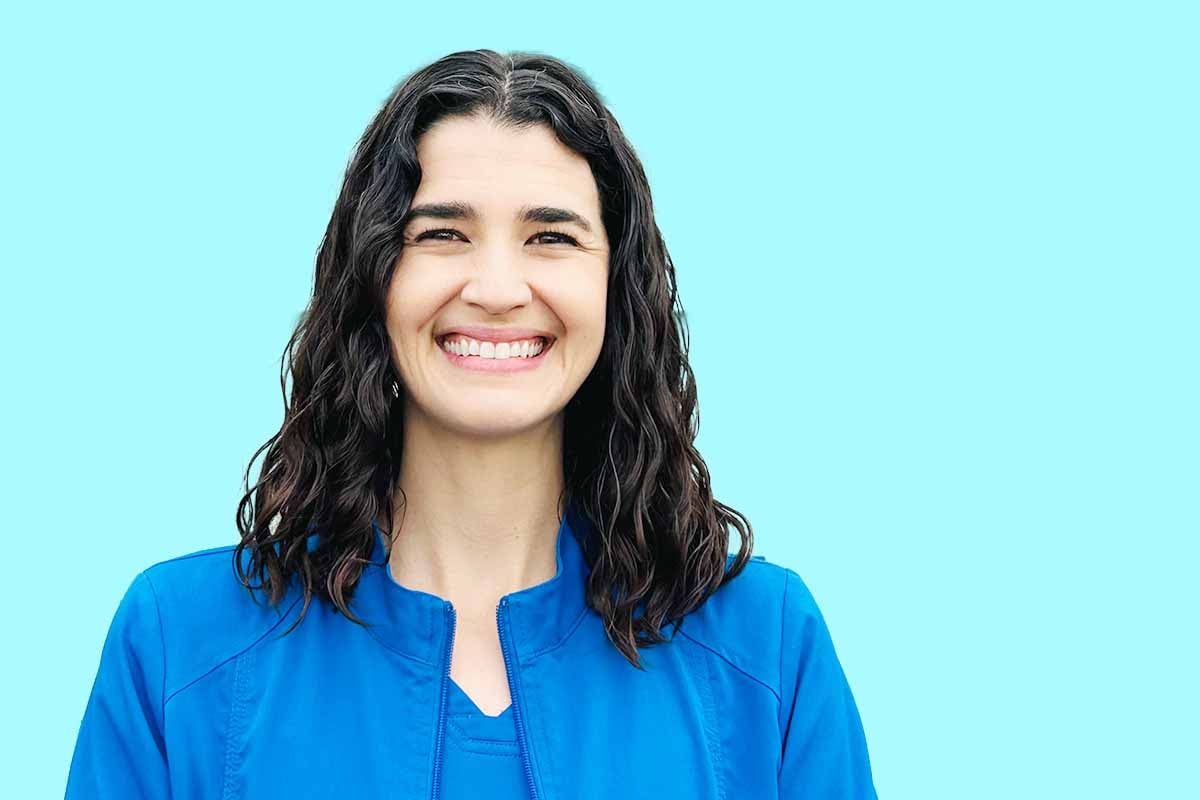
Allison Caton, MOT, OTR/L
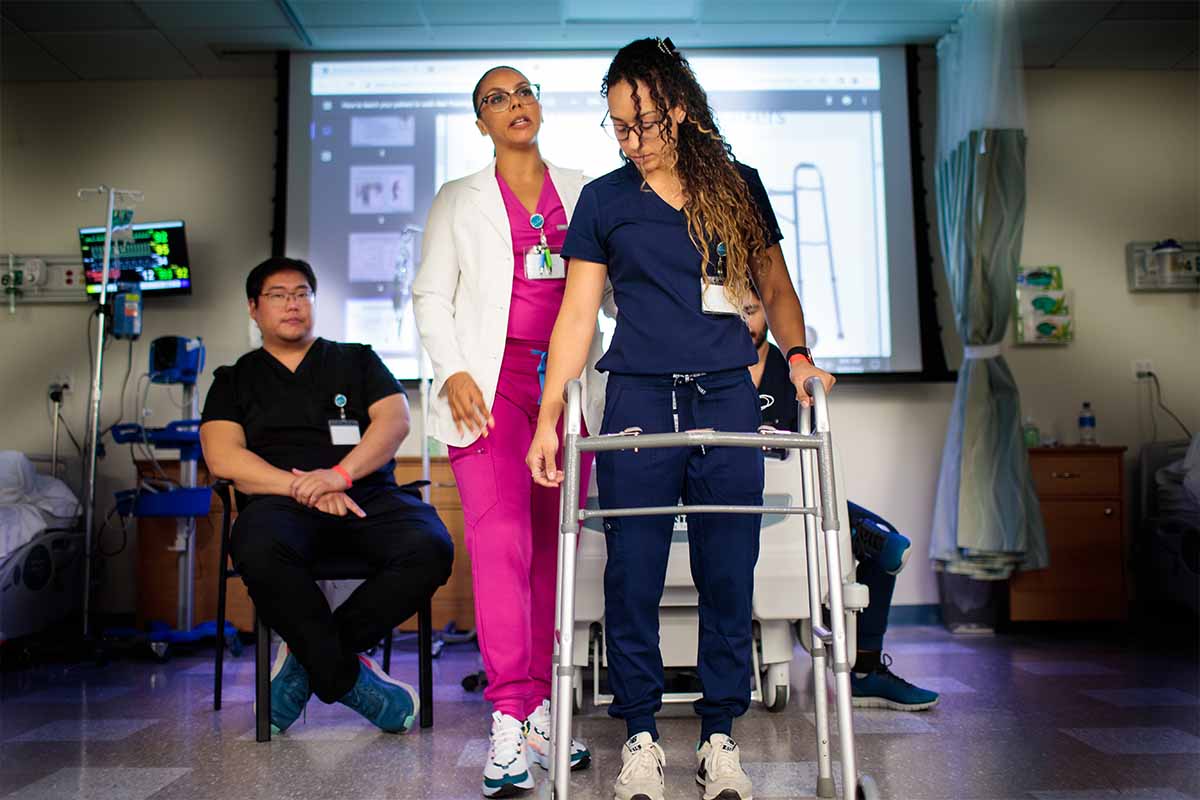
In Jacksonville, Dr. Caton has worked at Ascension St. Vincent’s Medical Center since earning her MOT in 2017. Specializing in intensive and progressive care, she oversees employee engagement and supervises students on their clinical rotations. She also remains involved with the University through continuing education courses, alumni weekends and guest lectures on specialty equipment used in acute care.
“My students often come into the acute care setting with limited exposure,” she says. “They are immersed in a fast-paced environment with a multidisciplinary team managing medically complex patients across a wide range of diagnoses. They can observe surgeries, heart catheterizations and shadow other disciplines, including respiratory therapy, speech therapy and dietary.”
Dr. Caton says her own clinical education experiences were essential to developing confidence and competence as an occupational therapist. She is committed to offering the same foundation to today’s students.
“Clinical education is critical for the transition from student to clinician,” she says.
“Application and critical thinking, which are needed for safe, effective and evidence-based practice, are honed through hands-on experience and consistent feedback. Fieldwork helped me develop confidence and step into my professional role.”
Her advice to students is to be patient with themselves. “It is a learning process that comes with great challenges and even greater successes,” she says.
Become a Clinical Placement Partner
The clinical and fieldwork phase is a defining moment in a student’s training, offering the chance to apply classroom learning in real-world settings under the guidance of experienced clinicians. Clinical site partners play a pivotal role in shaping these experiences, mentoring emerging rehabilitation professionals and helping influence the future of patient care.
To recognize this commitment, USAHS offers an Educational Support Plan (ESP) that provides professional development opportunities for clinicians who host a student. Benefits vary by academic program and may include:
- One complimentary USAHS webinar
- One complimentary live or online USAHS continuing education seminar
- Cost of one credit hour toward a USAHS online course of choice
- $100 toward a continuing education course
- $100 toward registration for local or national conferences
- $100 toward reference materials or textbooks ordered through professional organizations
- Each year, one clinician is also honored with the Clinical Education Partner of the Year Award, which includes:
- $300 toward professional association dues or a national conference registration fee
- Recognition on the USAHS website and in Accolades, the university’s biannual publication
- Clinicians and workplaces interested in becoming a clinical placement partner, please contact [email protected].