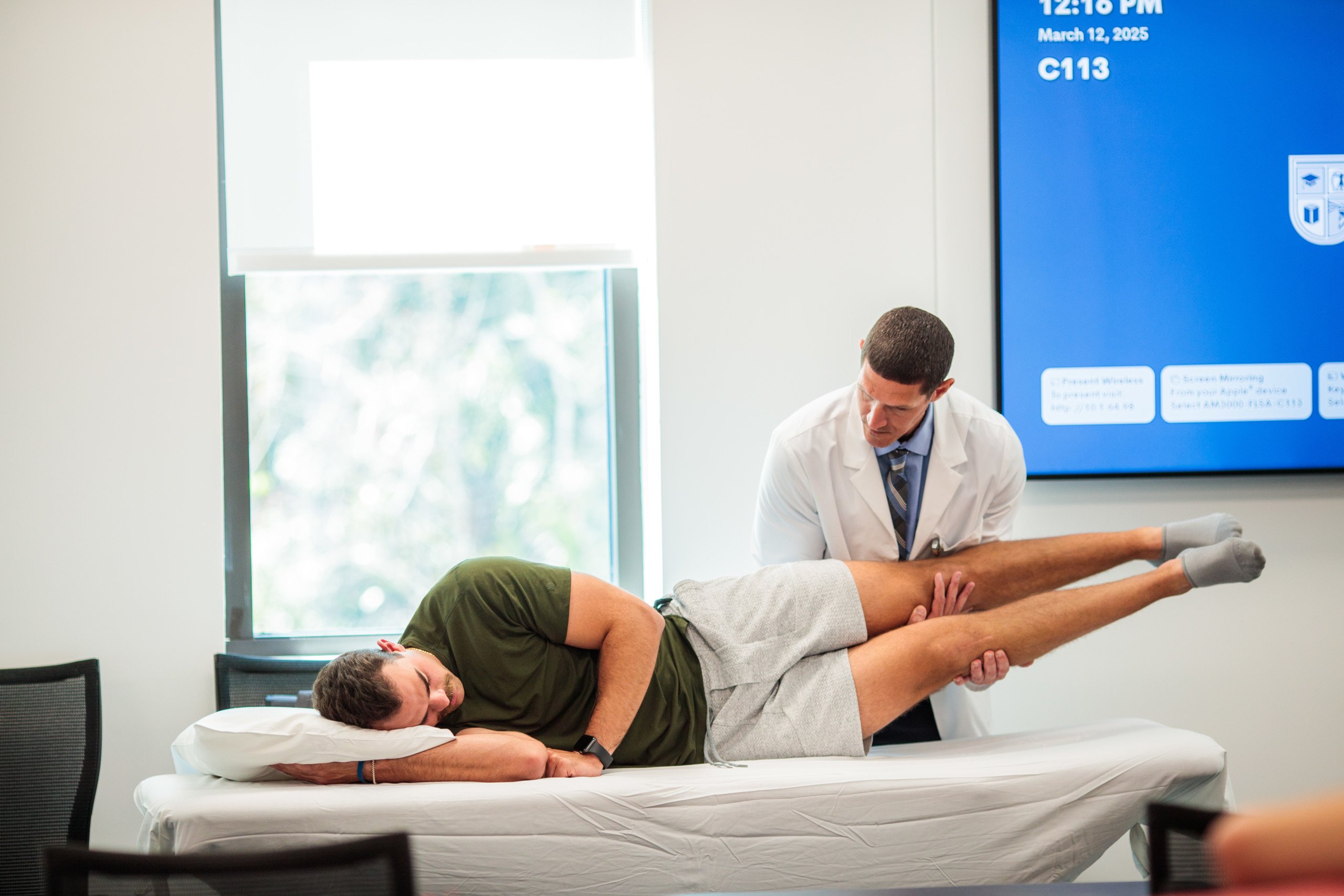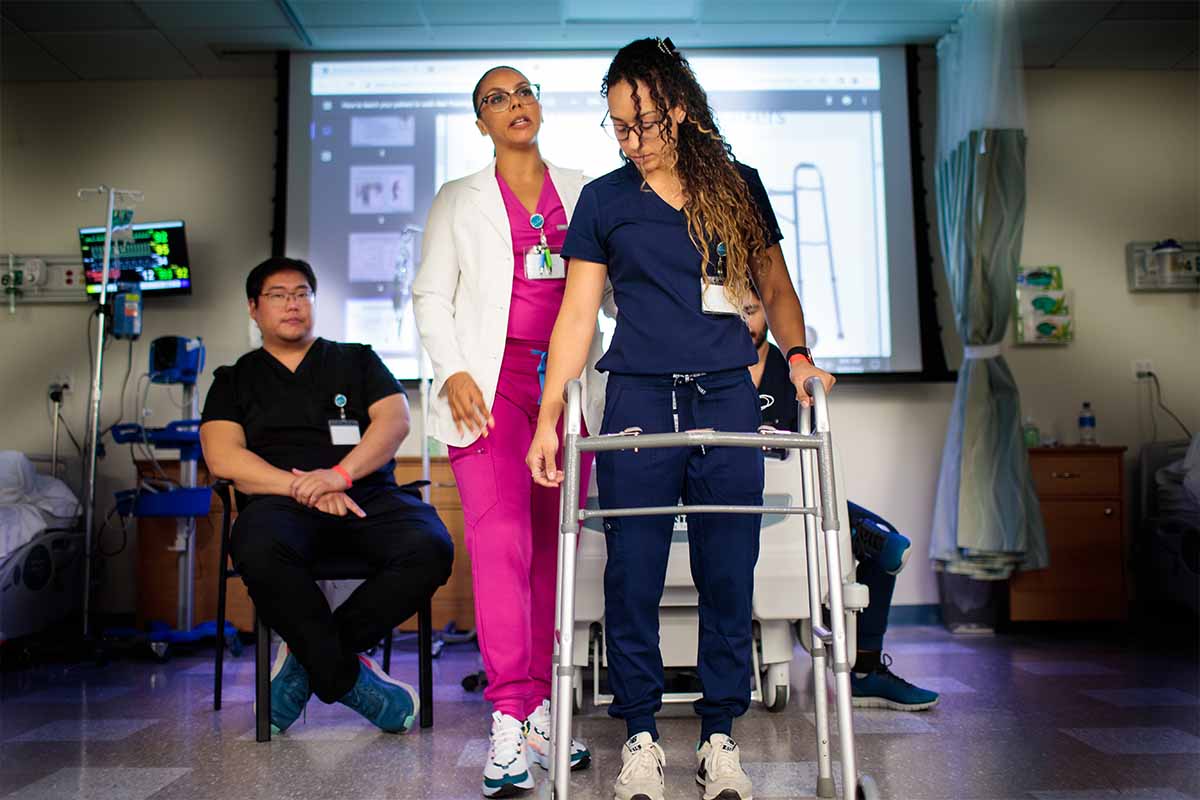
USAHS Alumni Association Board members share why they stay involved and how they “give back” as educators and mentors.
Engagement with the USAHS alumni community offers many rewards, but few are as meaningful as guiding students as they pursue their healthcare careers. Mentorship creates a vital link between experienced professionals and emerging clinicians. Students gain practical skills, real-world insight, career direction, and opportunities they might not otherwise access.
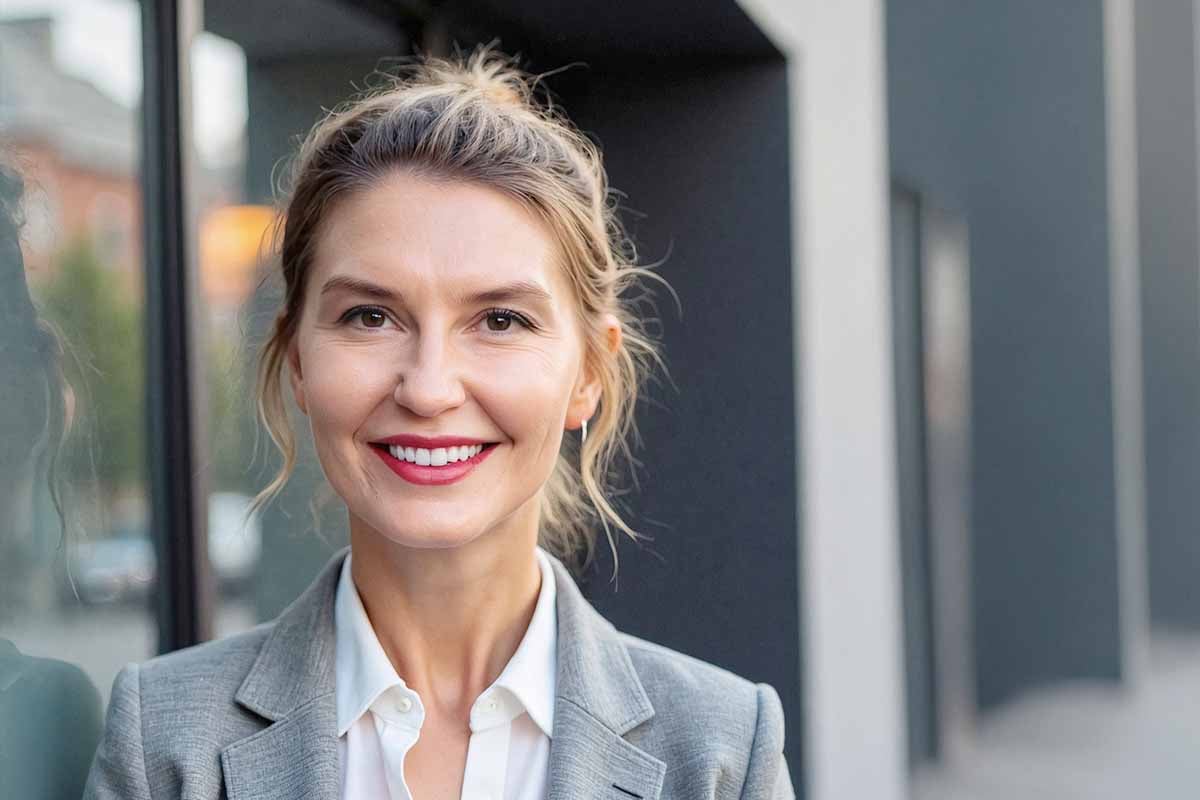
Paige Funderburk, MOT, OTD
“It is critical to our profession that relationships between educational organizations and practicing professionals be maintained,” says alum Paige Funderburk, MOT, OTD (MOT ’05, OTD ’06). “This collaboration keeps educational programs aligned with real-world needs and industry trends.”
Dr. Funderburk, a California-based OT with 20 years of clinical and administrative experience, serves on the USAHS Alumni Association Advisory Board and Advocacy Committee. She regularly participates in alumni events, continuing education courses, and mentoring programs, providing both geographic and general OT mentorship.
Like her fellow board members, she finds deep satisfaction in helping students overcome obstacles and launch successful careers. “One of the students I mentored struggled early after graduation, but now she is excelling in her preferred setting,” she says. “Accolades magazine even featured her story.”
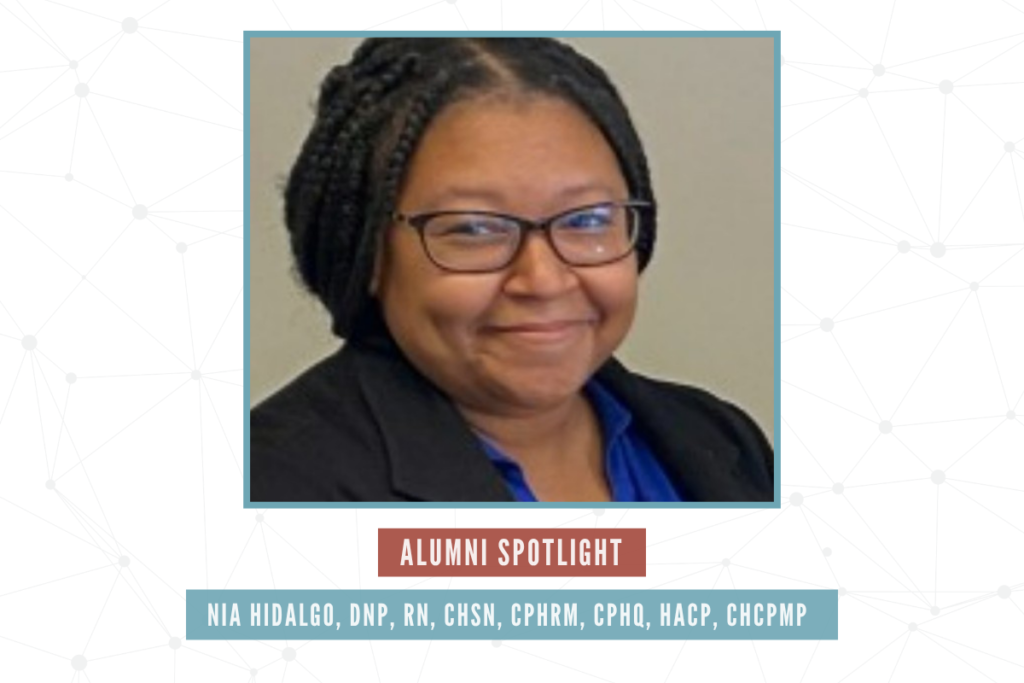
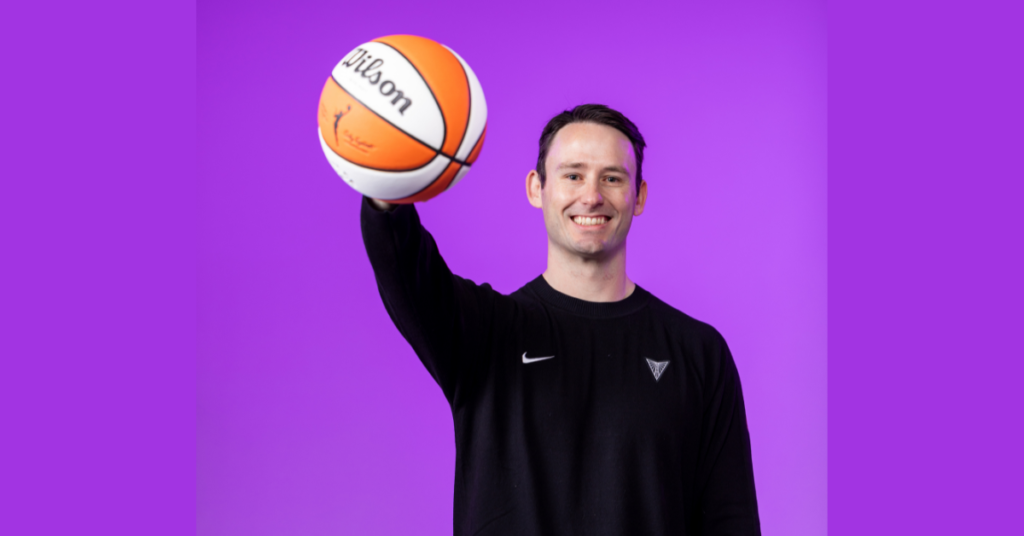
Before becoming educators and Alumni Association Advisory board members, USAHS alumni Steve Weyandt, PT, DPT, SCS, MTC (MPT ’00, DPT ’04); Shaun Reghabi, PT, DPT, ATC/L, MS (DPT ’23); Bob Kentner, DNP, RN, CPHQ (DNP ’21); and Dr. Funderburk were shaped by mentors of their own. Their current service reflects a commitment to giving back to the university that shaped their professional lives.
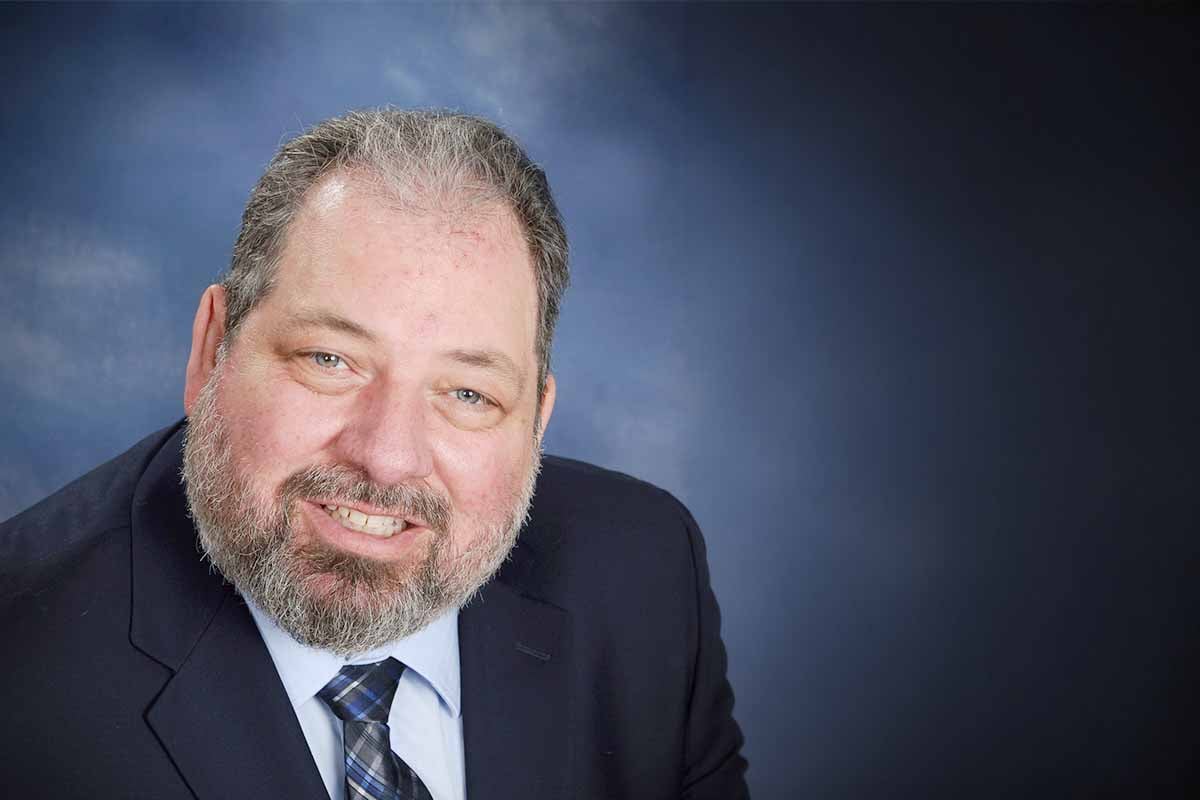
Bob Kentner, DNP
“Any place where you gain a quality education, you want to help it grow,” says Dr. Kentner, a 20-year U.S. Navy veteran who transitioned into nursing after retiring from the military. He earned his DNP from USAHS in 2021.
Now the quality and infection prevention manager and emergency preparedness manager at Sidney Regional Medical Center in Sidney, Nebraska, he remains actively involved as an educator, mentor and guide to USAHS nursing students, participating in a long-running support group for nursing students and teaching the Organizational Leadership and Policy in Healthcare course.
“I am a firm believer in putting the effort back into the system,” he says.
“As a mentor, I can share guidance and help students avoid the mistakes I made. It is incredibly rewarding.”
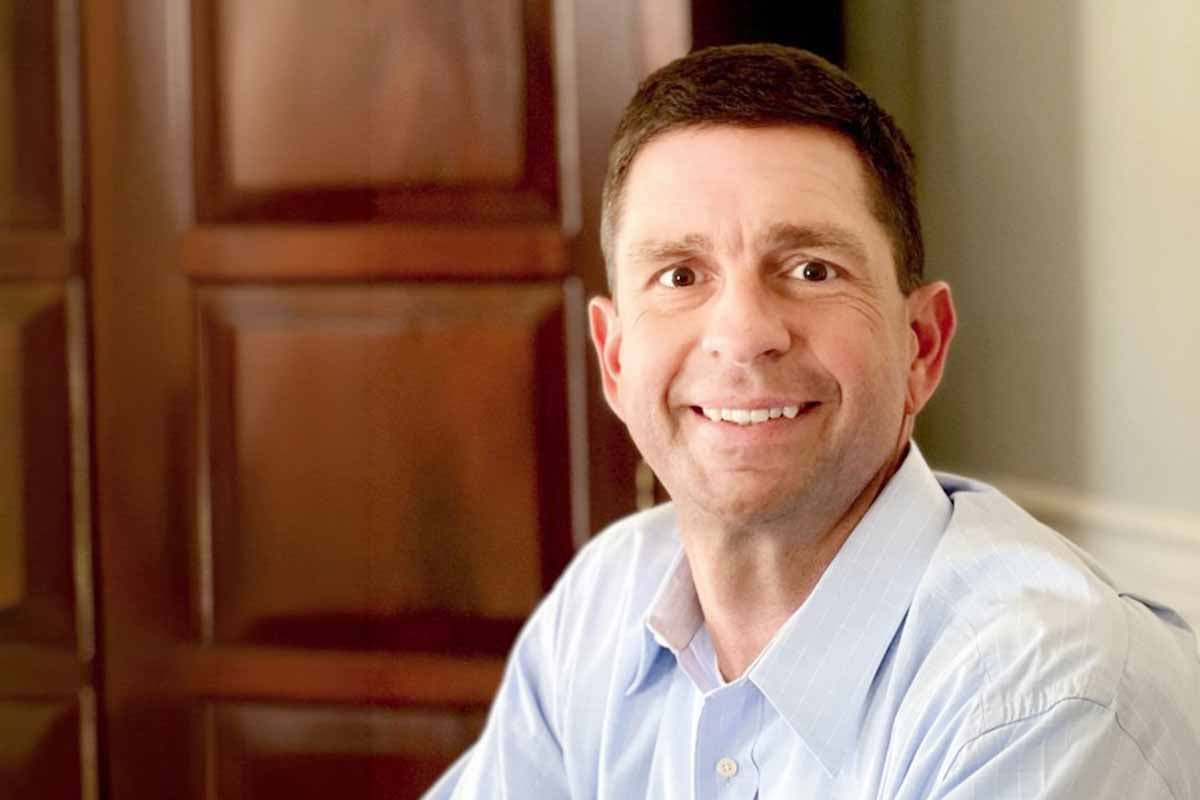
Steve Weyandt, DPT
Dr. Weyandt also serves students as both an educator and mentor within the PT programs. As a regional vice president and partner at BenchMark Physical Therapy in Peachtree City, Georgia, he often supports students during clinical internships, especially those adjusting to new environments.
“The University gave me so much and set me up for success,” says Dr. Weyandt, who earned his DPT in 2004.
“If I can motivate the next generation and show them their career dreams are possible, I want to do that.”
His own student experience shaped his dedication. He founded USAHS student government and a big brother and sister mentoring program. “My mentor encouraged me to stay the course. She helped me push through some of the most rigorous parts of the curriculum.”
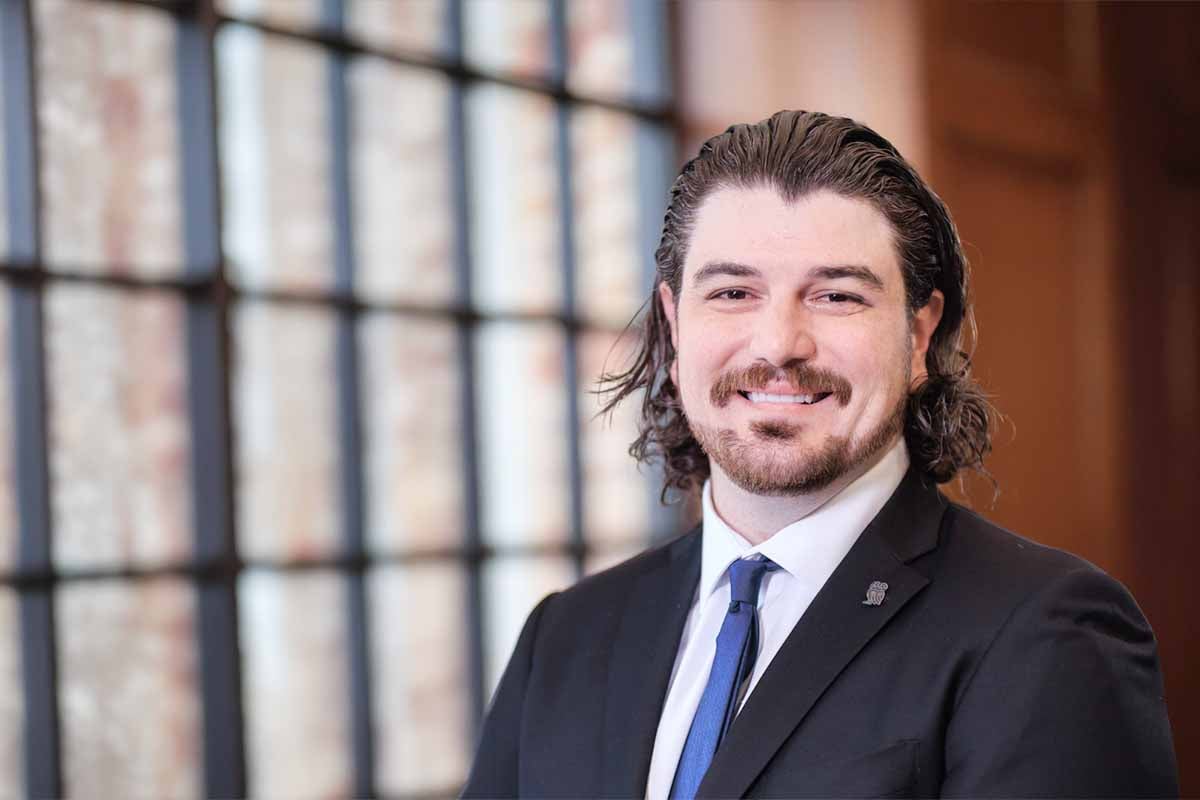
Shaun Reghabi, DPT
Since earning his DPT in 2023, Dr. Reghabi, a sports clinical specialist and physical therapist at Texas Children’s Hospital, has stayed intentionally engaged through mentoring conversations, panels, and leadership advising.
“My involvement is about paying it forward to emerging professionals who are stepping into one of the most complex versions of healthcare we have ever seen,” he says. “They deserve frameworks, not just feedback.”
His mentors challenged him to think differently and pursue bigger goals, shaping his own approach.
“It is about building momentum for those who come next,” he says. “Continued involvement allows me to help students gain clarity, confidence, and a sense of community.”
He describes his style as helping students find “true north,” the internal compass that guides decisions during uncertain moments. His mentoring includes not only clinical pathways but also identity alignment, interdisciplinary navigation, leadership presence, and confident decision-making without a script.
“What students need most is not just advice,” he says. “They need structure, psychological safety, and real examples of how others transformed potential into momentum.”
All four board members agree that providing real-life answers to students’ questions is invaluable as they move from classroom to clinic. Many of these relationships continue well into graduates’ professional careers. Dr. Kentner, for example, still works closely with his own mentor, USAHS Academic Coordinator of Nursing Clinical Education and Assistant Professor Dr. Amy Herrington, as they co-facilitate a nursing support group.
“It is incredibly rewarding to watch former mentees evolve into mentors themselves,” says Dr. Reghabi. “That is the multiplier effect. That is how you build momentum that outlives you.”
Positive mentoring relationships often lead to employment opportunities as well. Dr. Funderburk and Dr. Weyandt have both hired former mentees, and Dr. Kentner’s work as a preceptor has resulted in many students securing permanent roles through their clinical placements.
USAHS is deeply grateful for the dedication of its Alumni Association Advisory Board members, committee members, and alumni community. Their time, expertise, and mentorship have an immeasurable impact on the healthcare professionals who follow in their footsteps.
Ways Alumni Can Get Involved
- Serve as a clinical preceptor
- Join the mentorship network
- Guest lecture or participate in student panels
- Attend regional alumni events
- Support student leadership initiatives
What Students Say They Need Most
- Clear clinical expectations
- Career strategy and postgraduation pathways
- Emotional and academic support during transitions
- Honest insight about specialty areas
- Networking connections