Discover the Residential Format – OT Programs, University of St. Augustine for Health Sciences
Maggie G., a third-term OTD student at the University of St. Augustine for Health Sciences (USAHS), shares why she chose the Residential format—a structured, on-campus learning style that matches how she learns best, keeping coursework consistent rather than spaced out. Being on campus regularly gives her direct access to equipment, standardized patients, and hands-on labs, which she credits with helping concepts truly click.
Maggie also values the close relationships she’s built with faculty, many of whom are practicing OTs offering current, evidence-based guidance grounded in real clinical experience. Being on campus consistently has also helped her build a tight-knit community—not just within her own cohort, but across other cohorts and disciplines, including physical therapy students—giving her plenty of opportunities to get involved through clubs, organizations, and social connections outside the classroom.
For Maggie, the Residential format has offered both academic structure and a strong sense of community, an experience she highly recommends.
Transcript
Discover the Residential Format – OT Programs, University of St. Augustine for Health Sciences
[00:00:00] Maggie G. (OT Student): My name is Maggie. I’m in term three in the OTD program. I chose the residential option just because it was the fastest way to get to where I wanted to be, and I learn best, like, through didactic learning and kind of keeping everything all together, not spacing it out was the best way for me to learn. [00:00:18] Maggie G. (OT Student): So being able to be here on campus and work with the equipment, work with standardized patients, and do simulations and labs was extremely helpful. And getting close with your professors, I think that’s really big. They’re also OTs. Being able to interact with other professional therapists, and they can give you advice, and they have the most current, like, evidence-based education that they can give you. [00:00:40] Maggie G. (OT Student): So I think having that connection with professors and be able to be hands-on, and especially coming to campus more often. When I do need to study, I can come into the labs that I’ve been working in throughout my class time, helps a lot and makes things click better. I’ve definitely had the opportunity to build a large community here. [00:00:55] Maggie G. (OT Student): We’re incredibly close-knit. We hang out on the weekends all the time, and even then, I still interact with all the other cohorts, um, including physical therapists as well. There’s a lot of opportunities to engage with other people and clubs and organizations. It’s not hard to, like, make friends and be involved. [00:01:11] Maggie G. (OT Student): I’d definitely recommend the residential route.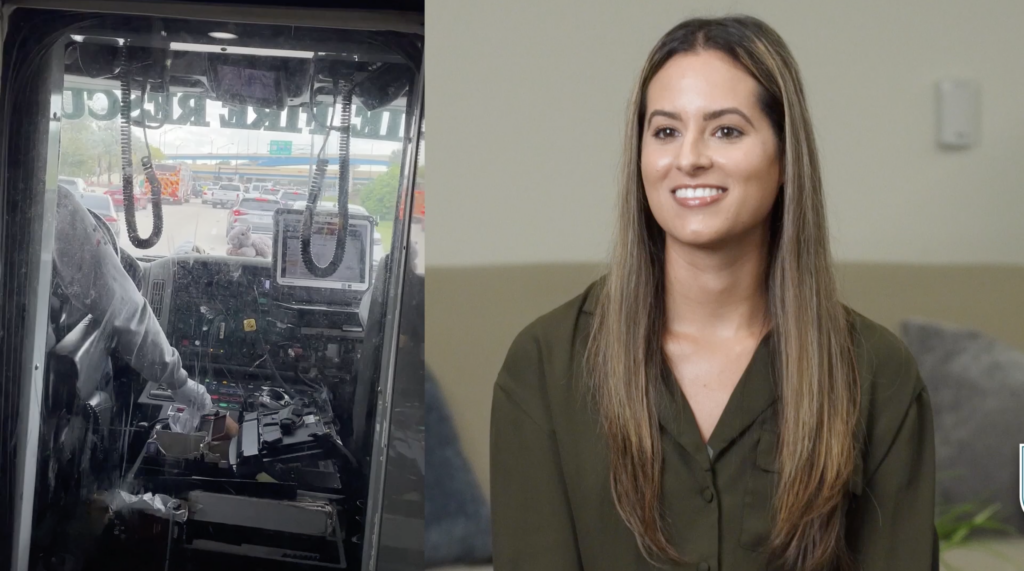
OT Capstone Project — Alyssa G. — USAHS 15 seconds
A look at Alyssa's occupational therapy capstone experience.
Discover the Flex Format – OT Programs, University of St. Augustine for Health Sciences
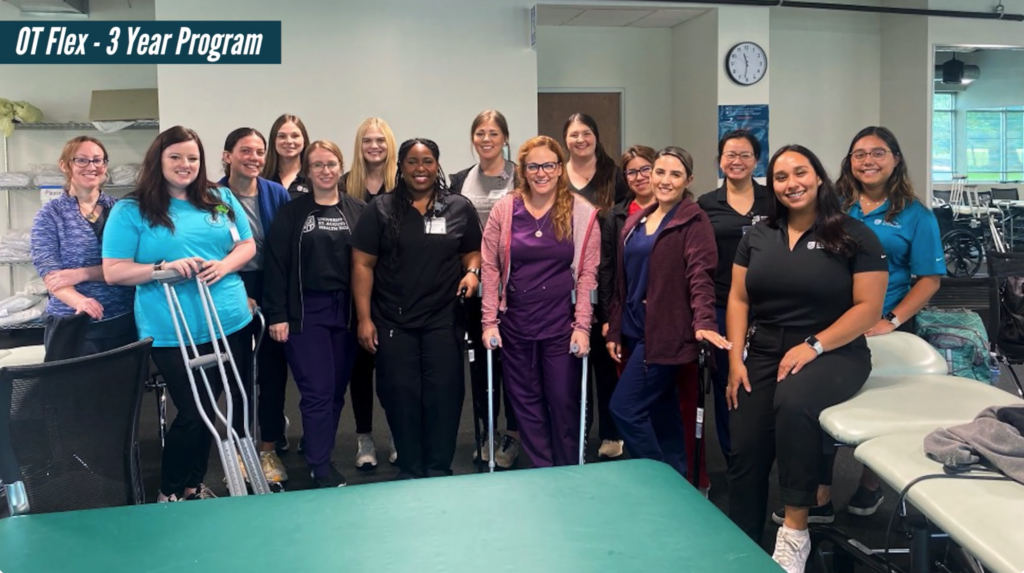
OT student shares her experience in the OT Flex format.
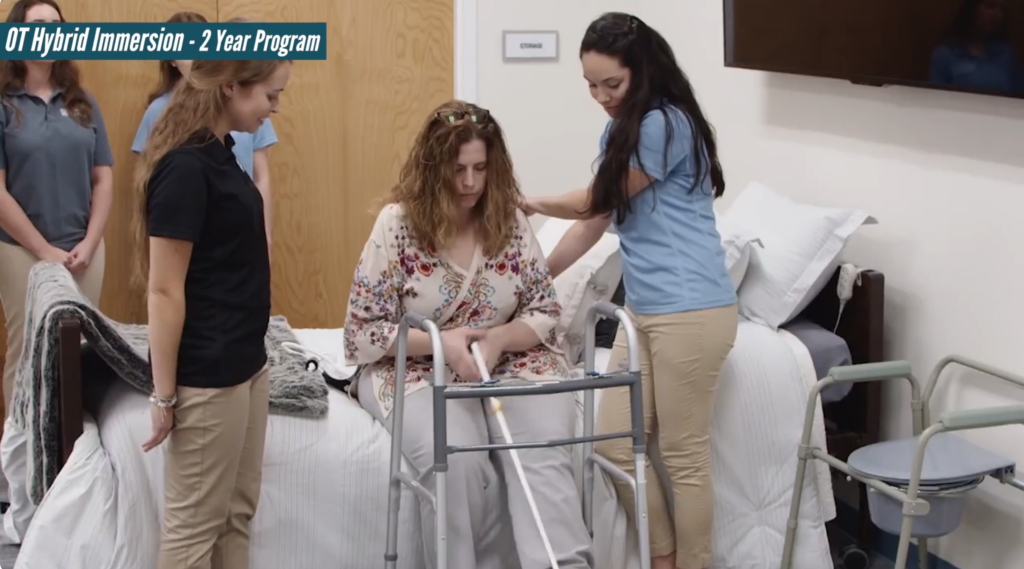
Discover the Hybrid Immersion Format – OT Programs, University of St. Augustine for Health Sciences
OT student shares her experience in the OT Hybrid Immersion format.