Katie O’Hara – MSOT, OTR/L – OT Faculty Profiles, USAHS
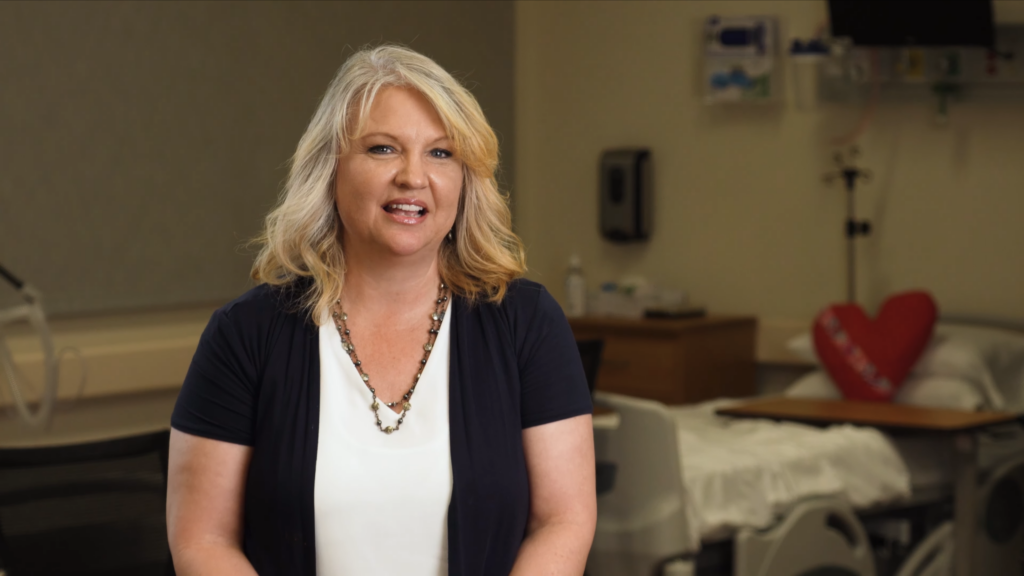
A Level II fieldwork placement turned into a job offer for Katie O’Hara, MSOT, OTR/L, followed by six years at a pediatric outpatient clinic before the move into academia. Katie now teaches in the Occupational Therapy Program at the University of St. Augustine for Health Sciences (USAHS) campus in St. Augustine, Florida, where pediatrics remains the focus.
A favorite lab is feeding in the pediatrics course, where students practice handling techniques and actually feed each other. Being fed can feel strange and even a little scary, so the exercise builds empathy along with skill and puts trust and rapport at the center of the work. Katie also enjoys the small side questions students ask and the moment something finally clicks.
Transcript
Katie O’Hara – MSOT, OTR_L – OT Faculty Profiles, USAHS
[00:00:00] Katie O’hara (OT Faculty): So I have worked in pediatrics primarily. I was lucky enough to get a job offer with my second level two field work in a pediatric outpatient clinic, and I was there for six years before coming and transitioning into academia. [00:00:14] The thing that I love the most about working with the students is the little side questions that I get. Being able to explain something in a different way that gives them that aha or that light bulb moment. I love when something clicks for them and I was able to help them get there. [00:00:29] So occupational therapy helps individuals to become more functional and independent in their everyday lives. And what I find the coolest about it is we can do it in any setting and we do it across the lifespan. Trying to help individuals, whether it’s kids, older adults, somebody who’s just had an injury, just to help them to be more functional, more independent, in their everyday activities, things they want to do, things they need to do, and I just think that’s pretty special. [00:00:57] Couple things come to mind when I hear the phrase “Force for Good.” Words such as compassion, kindness, growth, a genuine concern and care for others. I think being a Force for Good means doing your best each day, whether that’s smiling at someone in the hall and it might change their day, or whether it’s working with a client who’s really in need and, you know, being able to get them to get dressed independently again or get that kid to be able to tie their shoes. I think it’s always giving your best and looking for the best outcome each day. [00:01:28] My favorite lab to instruct students through is in the pediatric course. It’s the feeding lab. I think it can be really, really fun, but it’s also very hands-on and interactive. So we actually have the opportunity for students to practice these handling techniques and they actually feed each other and see how weird and almost scary it can be being fed. So really working on gaining that trust, building that rapport. [00:01:51] I think the faculty offers that special connection with students. We’re very student first and we want to do anything that we can to help those students succeed, to make sure that they understand the material. I know that all the OT faculty here on our campus is very willing to meet outside of lab time to answer questions, to go over, any confusing content and just make sure that everything’s clear because we want them to feel confident moving forward.