

3D Printer and Scanner
When COVID kept students off campus, faculty at the University of St. Augustine for Health Sciences (USAHS) found a way to keep anatomy in their hands. Physical therapy faculty member Gabriel Somarriba and colleagues 3D printed key structures and bone models and sent them to students, who could then follow along and study at home.
The printer and scanner also produce equipment used in class. Physical therapy faculty member Loren Szmiga has worked with items including a Kaltenborn orthopedic wedge that students use to position patients in musculoskeletal classes, as well as several printed orthotics, such as a finger gutter orthosis and an oval eight orthosis. Each one gives students a physical tool to learn with rather than a picture in a book.
It’s a small example of how technology at USAHS solves practical teaching problems, whether students are on campus or studying from home.
Transcript
3D Printer and Scanner
[00:00:00] Gabriel Somarriba (PT Faculty): COVID brought on many challenges. While the students weren’t able to be on campus to practice and to study with the bone models, we were able to print the key structures and bone models and send them out to the students so they can follow along and use them in their studies at home. [00:00:16] Loren Szmiga (PT Faculty): Some of the items that I can showcase that we have 3D printed at the University of St. Augustine and scanned are an orthopedic wedge. This is the Kaltenborn Orthopedic Wedge that the students use in musculoskeletal classes for positioning patients. We have created several orthotics. This would be a finger gutter orthosis, and then we have these oval eight orthosis.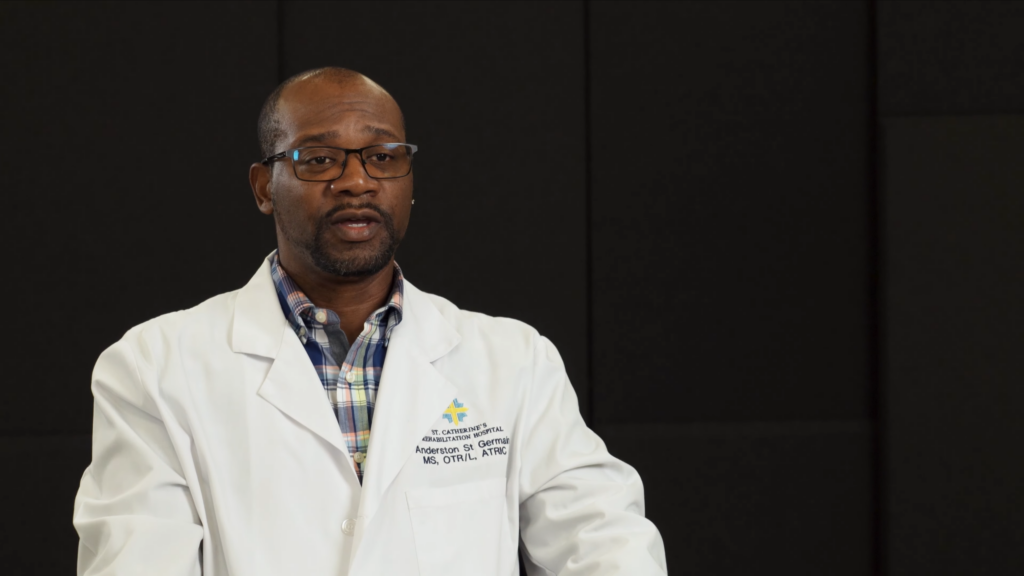
Anderston St. Germain – OTD, MS, OTR/L – OT Faculty Profiles, USAHS
Meet Our OT Faculty
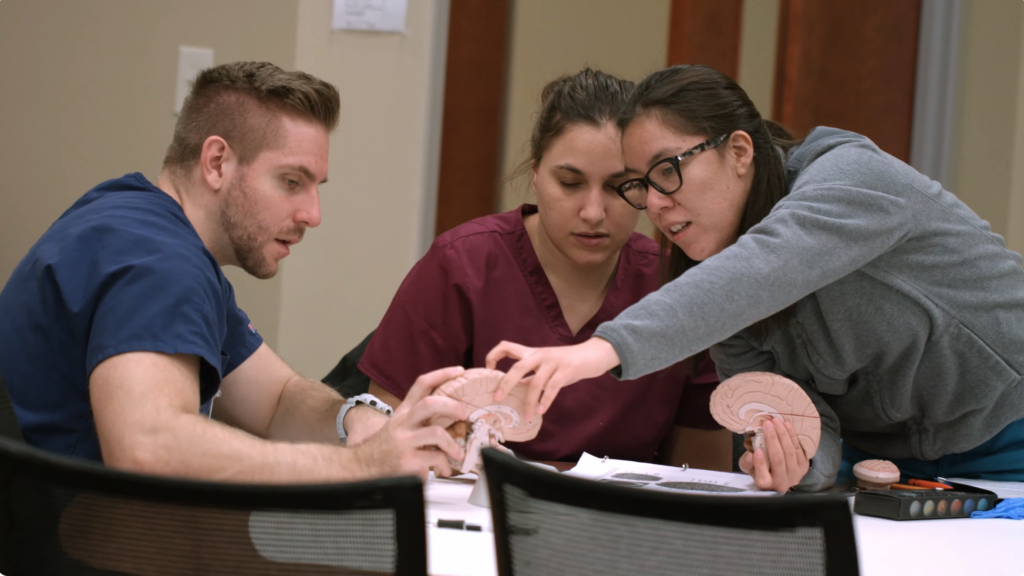
Austin Campus Student Lifestyle – University of St. Augustine for Health Sciences
Student perspectives on the USAHS Austin campus.
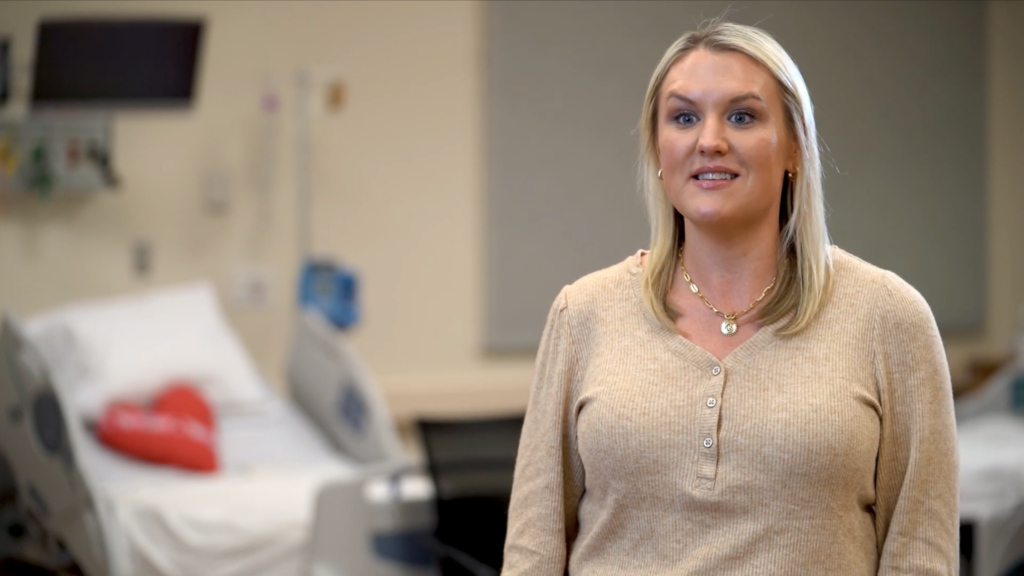
Ashelee Loewen – Nursing Faculty Profile, University of St. Augustine for Health Sciences
Meet our Nursing faculty