Brooks Adaptive Sports meet with Students at the University of St Augustine for Health Sciences
Members of the Brooks Adaptive Sports teams visit the University of St. Augustine for Health Sciences (USAHS) campus in St. Augustine, Florida, bringing the adaptive wheelchairs students have studied. According to Wynnet Sinclair, students play basketball with para players, quad rugby and soccer with quadriplegic players, and try out a range of adaptive equipment.
Using the equipment firsthand helps students match gear to clients, and the conversations afterward matter most. Players say adaptive sports saved their lives, and hearing that from them rather than from instructors shows students they can connect future patients to these programs.
Partnerships like this one help students picture a patient’s new normal and the community resources that can make it a full one.
Transcript
Brooks Adaptive Sports meet with Students at the University of St Augustine for Health Sciences
[00:00:00] Wynnet Sinclair (USAHS): We had members from the Brooks Adaptive Sports Teams out here. [00:00:09] Kayla (OT Student): They brought in things that we have talked about for the past three terms, like these adaptive wheelchairs and the different types of wheelchairs for each thing. [00:00:16] Wynnet Sinclair (USAHS): So the students actually have the unique experience of actually being able to play basketball with some of the para players, and quad rugby with some of the quadriplegic players. They got to participate in quadriplegic soccer, and they also get to experience different adaptive equipment. [00:00:36] Kayla (OT Student): It was actually kinda nice just to be able to experience all the different type of equipment that is out there so that we can give our clients what suits them the best. One of them was for murder ball, which was totally, like, rugged. You could hit each other with it, and then, like, the basketball ones were a little bit more dynamic, and you can move around a little bit better. [00:00:54] Wynnet Sinclair (USAHS): So now they’re introduced to all this equipment, and they now are able to kind of put two and two together and see what would work for somebody. The students can then really help identify, when they have patients, what things that those patients might be able to successfully participate in in kind of their new normal. [00:01:11] Kayla (OT Student): Afterwards, we got to talk to the individuals that came from Brooks, and they told us their experiences. [00:01:16] Wynnet Sinclair (USAHS): These players will actually tell you that it saved their life. [00:01:21] Kayla (OT Student): Hearing it from someone that’s not our teachers telling us is a totally different experience, and I loved it, actually. Kinda, like, opened my eyes to, oh, we can actually help them get into these things, in these programs, if we just have the connections. [00:01:36] Wynnet Sinclair (USAHS): They’re making the connection between everything that they’ve learned with real human beings, and they’re able to do that and forge human relationships and social interactions. We’re really making a tremendous bond with the students and real people. It changes lives.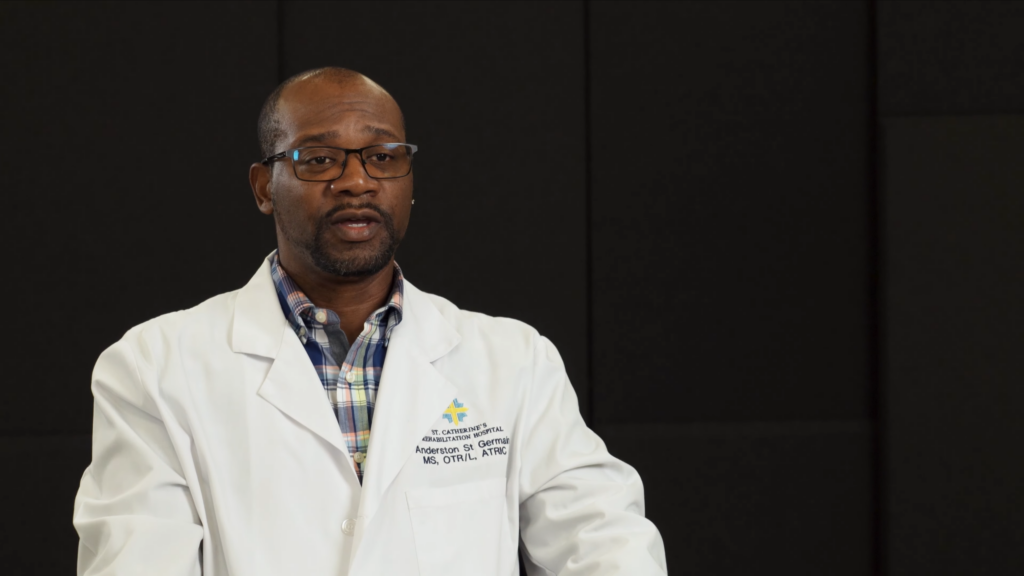
Anderston St. Germain – OTD, MS, OTR/L – OT Faculty Profiles, USAHS
Meet Our OT Faculty
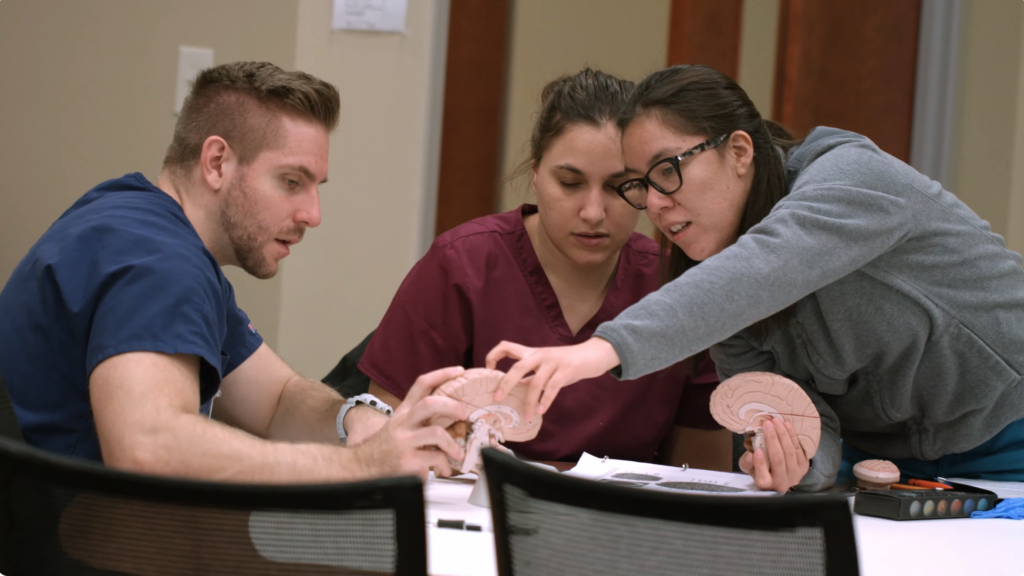
Austin Campus Student Lifestyle – University of St. Augustine for Health Sciences
Student perspectives on the USAHS Austin campus.
2026 USAHS Alumni Reunion and Family Weekend
2026 USAHS Alumni Reunion and Family Weekend in Austin, Texas.