
If you’re about to start physical therapy school or nearing graduation from the University of St. Augustine for Health Sciences’ (USAHS) Doctor of Physical Therapy (DPT) program, it’s natural to wonder what opportunities await in the job market.
Let’s break down exactly what physical therapists (PTs) do, more about the physical therapist job outlook and licensing process, and how USAHS can help you reach your goals.
What Do PTs Do?
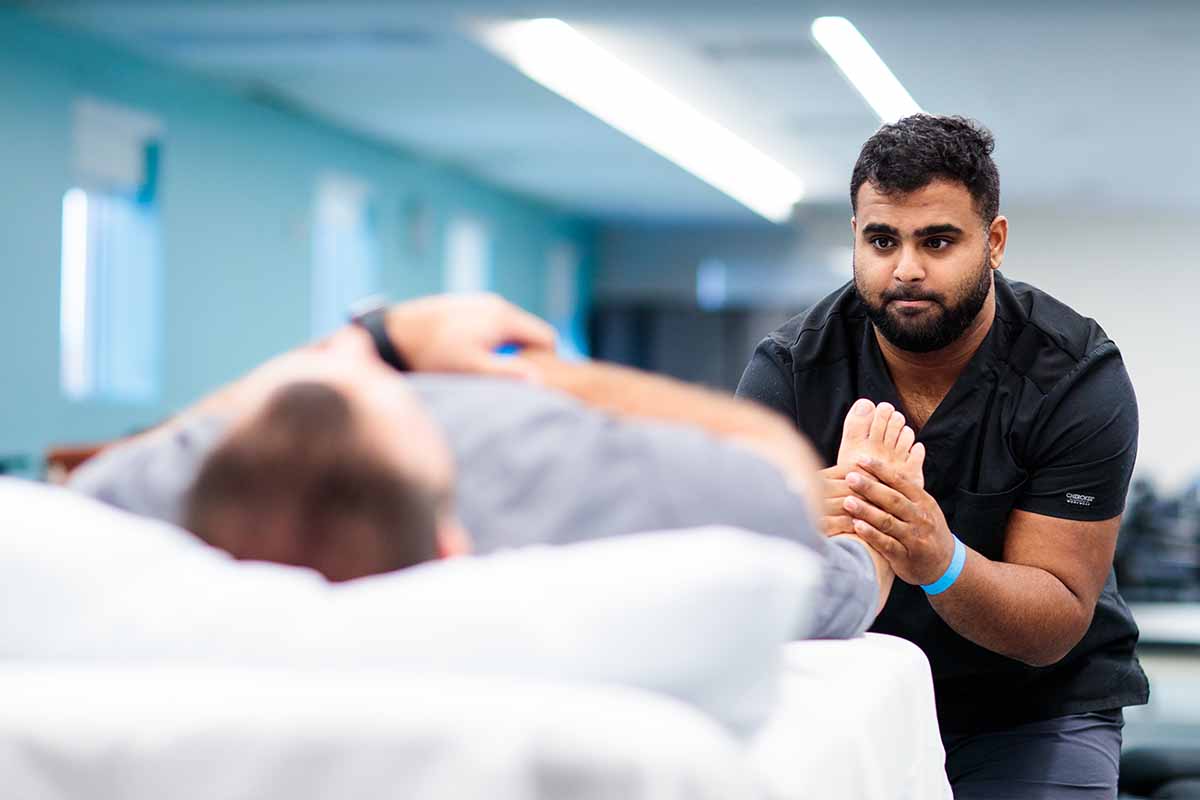
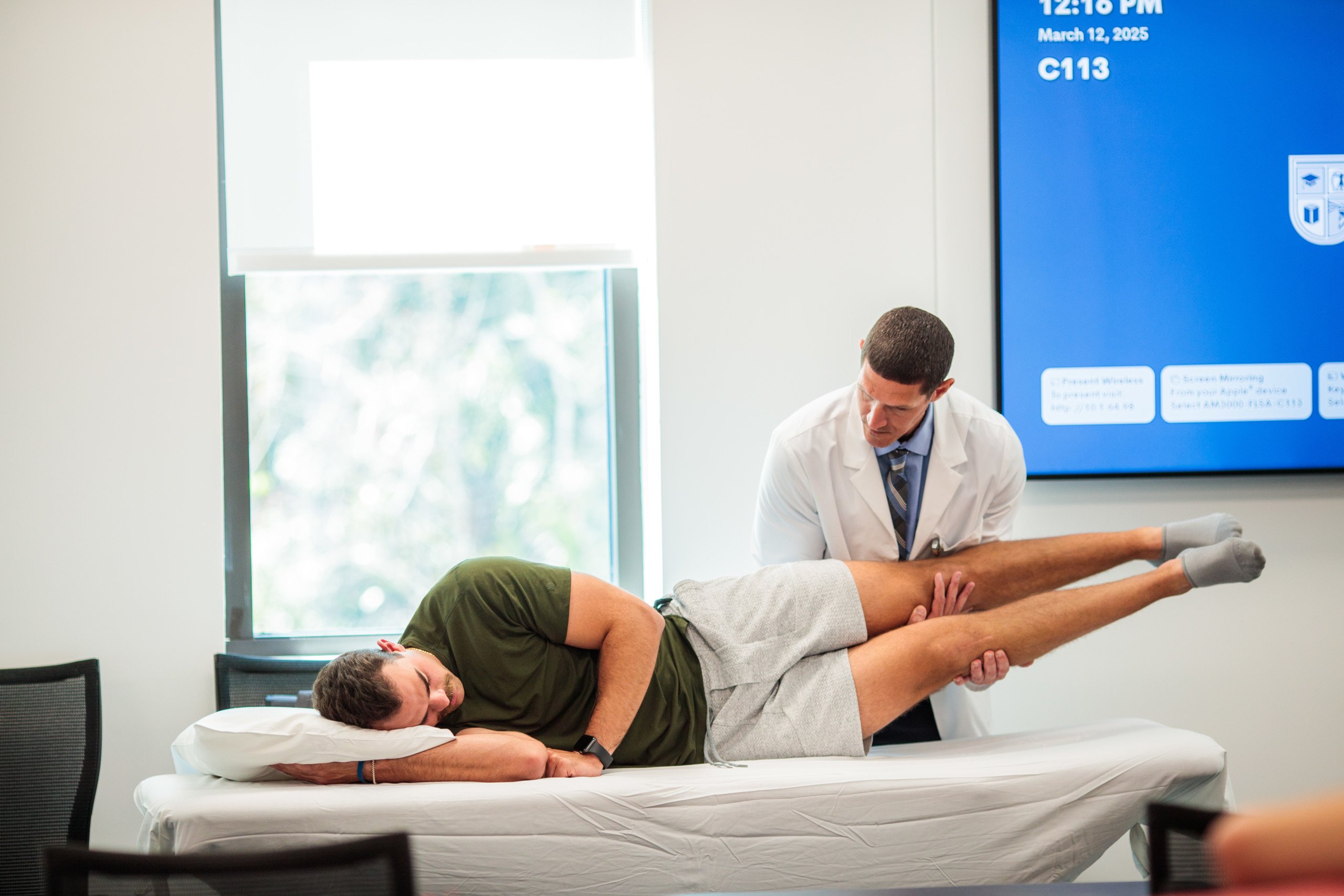
A PT’s responsibilities include working with patients to help them regain mobility, recover from injuries and manage symptoms that affect daily life.
Beyond restoring mobility, PTs play a key role in identifying injuries and conditions, developing personalized treatment plans and providing hands-on support to patients during the critical early stages of recovery.
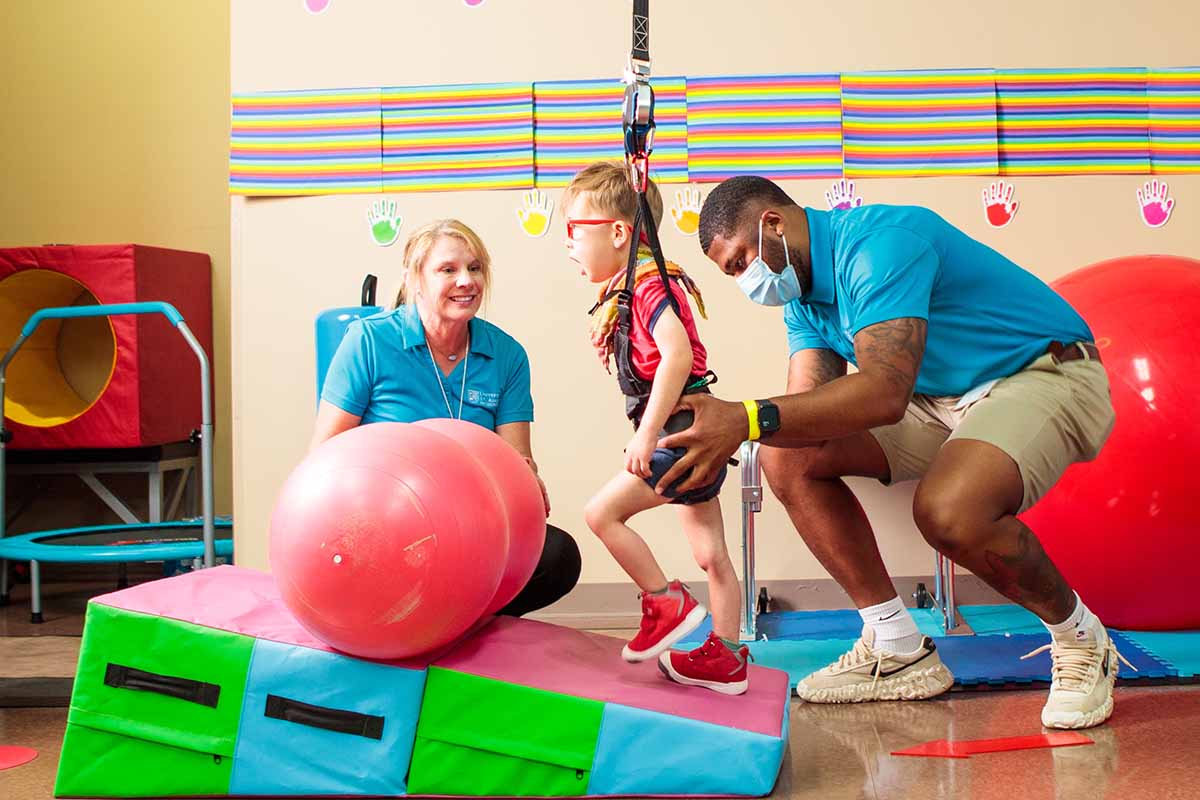
PTs may work with patients across the lifespan in a variety of settings, including outpatient or inpatient clinics. Depending on the setting, a physical therapist’s work can look very different. Outpatient care often focuses on orthopedic or sports medicine, while inpatient roles may center on acute care, rehabilitation clinics or skilled nursing facilities (SNF). Some PTs specialize in home health, providing care in the comfort and familiarity of a patient’s home.
The patients that physical therapists work with are as diverse as the settings in which they practice. Many physical therapists work with orthopedic patients recovering from surgery, while others care for individuals living with neurological or cardiopulmonary conditions. Physical therapists also support older adults, athletes and individuals at many different stages of health and recovery.
Physical Therapist Job Outlook
So, what is the job outlook for a physical therapist?
According to the Bureau of Labor Statistics (BLS), employment of physical therapists is projected to grow 11% from 2024 to 2034.1 This growth is largely driven by the aging population in the United States.
In addition, the increasing prevalence of chronic conditions such as diabetes, obesity and musculoskeletal disorders is expected to further support demand for physical therapists. The shift toward non-opioid approaches to pain management could also drive greater demand for PTs.1

NPTE and Licensure
To practice as a physical therapist in the United States, you must pass the National Physical Therapy Examination (NPTE).2 Depending on your comfort level with the material, most candidates allow themselves two to three months to prepare.
Before taking the NPTE, you must meet your state’s licensing requirements, which may include submitting an application, transcripts, fees and passing a jurisprudence exam. Once approved, you can schedule and take the exam.2
Then, you must take and pass the NPTE exam. You may also need to meet state-specific requirements, such as background checks or jurisprudence exams.
Many states also offer temporary physical therapy permits, which allow recent graduates to begin practicing while they await permanent licensure.3 These permits typically last between 90 and 180 days, or until the NPTE results are released, providing a bridge for new PTs as they transition into their professional careers.
The conditions under which a graduate can work and how long the permit is valid vary from state to state.
Once you’ve passed the NPTE exam and met all state requirements, you can apply for your permanent license. Processing usually takes a few weeks. After receiving your permanent license, remember that it must typically be renewed every few years, according to your state’s regulations.
PT Hiring Timeline for a New Grad
As your DPT graduation date approaches, it’s a good time to begin your job search, typically three to six months before finishing your program. Be ready to enter the job market with a polished, outcomes-focused resume that highlights your skills and key clinical experiences.
Many employers will request references, and your clinical instructor (CI) or preceptor is often an ideal choice. Having served as your mentor during a clinical rotation, they can speak firsthand to your skills and abilities as a practitioner.
Don’t limit your references to just clinical mentors. Interprofessional contacts, supervisors or mentors from other fields can provide valuable insight into your abilities and work ethic.
When it’s time for interviews, showcase your expertise in safe patient handling and mobility (SPHM), clinical reasoning, productivity and any mentorship you’ve received.
At the same time, use the conversation to assess if the role is right for you. Ask about supervision, onboarding, continuing education support and other factors that may contribute to your growth and success.

Study Physical Therapy at the University of St. Augustine for Health Sciences (USAHS)
At USAHS, we offer pathways that support students at every stage of their journey.
Pursue our Doctor of Physical Therapy (DPT) program, and you’ll gain access to hands-on experiences, advanced simulations with leading-edge technology and in-person or online advanced coursework. Our DPT program is guided by expert faculty-practitioners, and you’ll graduate ready to start your career.
This program is available in the following formats to align with your lifestyle and schedule:
- Residential: On-Campus Weekday Classes and Labs + Some Online Coursework
- Hybrid Immersion: Online Coursework, Live Virtual Weekday Sessions + 2 On-Campus Extended Weekend Labs Per Term
- Flex: Online Coursework, Live Virtual Evening/Weekend Sessions + On-Campus Labs on Select Weekends
We’re here to support you every step of the way, with one-on-one mentorship*, preparation for licensure, career resources and access to our extensive, active physical therapy alumni network. If you’re ready to begin your journey toward a physical therapy degree, we’re ready to help.
USAHS Financial Aid
We know that financing a graduate education is a major decision, and we’re committed to helping you understand your options. We guide students through the federal financial aid process, beginning with the FAFSA®, and offer clear guidance on federal student loans and other types of aid you may be eligible for.
From institutional scholarships and grants to benefits for eligible military and veteran students, we provide a variety of ways to support your education. For degree options such as the Doctor of Physical Therapy program, our financial aid counselors can walk you through your options and help you create a plan that works for you.
The Bottom Line
There is a strong expected physical therapist job outlook over the next decade, and with so many potential areas of specialization, you’ll be entering a market where your skills are highly valued.1
Our Doctor of Physical Therapy program prepares you not only for entry-level practice but also for evolving roles in research, leadership and advanced clinical practice.
FAQs
Is the PT job outlook strong over the next decade?
Over the next 10 years, employment for PTs is expected to grow by 11%, well above the 3% growth expected for all occupations and higher than the 8% projected for healthcare diagnosing or treating practitioners.1
Which settings hire the most new-grad PTs?
For new graduate physical therapists, career opportunities can be found in a variety of settings. Outpatient clinics—particularly orthopedic-focused—hospitals and skilled nursing facilities, are common starting points, while home health, schools and sports teams can offer unique pathways as well.
How soon should I apply for licensure and the NPTE?
In some states, you may apply for the NPTE up to 90 days before graduation once your school validates your eligibility.4 Applying early is recommended, as the process of securing approval for both the exam and your state license can take months.
Can residencies increase job opportunities or salary?
Residencies can give new physical therapists a head start. PTs who complete residency training tend to have higher first-time pass rates on the clinical specialization exam, helping them move into specialized practice more quickly and enjoy the financial benefits that specialization can bring.5
Ready to launch a rewarding path to physical therapy? Reach out to learn more.
*Each student is assigned a faculty mentor when they start the program. On-demand appointments with the faculty mentor and/or course instructors are available.
Salary data may not reflect starting pay for recent graduates.
References:
- “Occupational Outlook Handbook: Physical Therapists,” U.S. Bureau of Labor Statistics (BLS), August 28, 2025, https://www.bls.gov/ooh/healthcare/physical-therapists.htm#tab-6.
- “National Exam (NPTE®),” Federation of State Boards of Physical Therapy (FSBPT), 2025, https://www.fsbpt.org/Secondary-Pages/Exam-Candidates/National-Exam-NPTE.
- Michael Hines, “Physical Therapist Licensing Requirements by State,” Vivian Health, October 7, 2024, https://www.vivian.com/community/allied-health/physical-therapist-licensing-requirements-by-state/.
- “Dates & deadlines – National Exam (NPTE®),” Federation of State Boards of Physical Therapy, 2025, https://www.fsbpt.org/Secondary-Pages/Exam-Candidates/National-Exam-NPTE/Dates-and-Deadlines.
- “The state of the profession: Two APTA profile reports set the scene,” American Physical Therapy Association (APTA), July 18, 2023, https://www.apta.org/news/2023/07/18/workforce-reports.