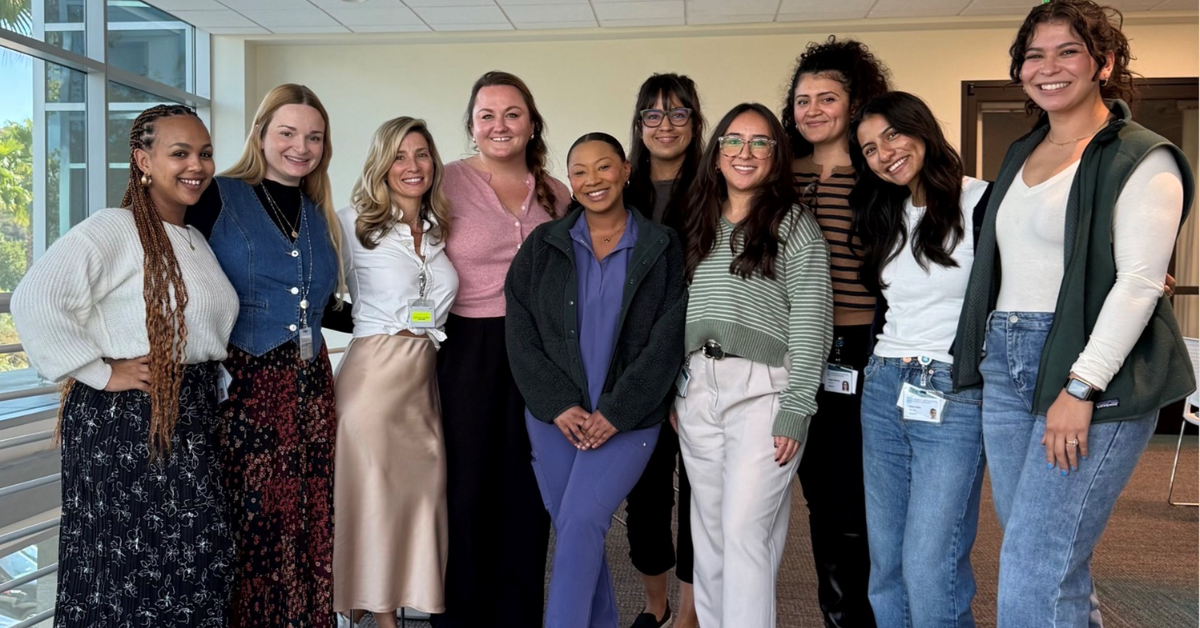
Could the open sea be the unexpected backdrop for self-discovery? For 17 Master of Science in Speech-Language Pathology (MS-SLP) students and four faculty members at the University of St. Augustine for Health Sciences (USAHS) who will embark on a Royal Caribbean cruise, this adventure is sure to be transformative.
Amanda Eaton, PhD, CCC-SLP, associate professor of the MS-SLP program at the USAHS San Marcos, CA campus, is leading a group of graduate students in a one-of-a-kind partnership with the Aphasia Recovery Connection (ARC). This initiative brings together students and individuals with aphasia to work on daily communication objectives, all while exploring the supportive environment of a cruise.
Charting the course for more than a vacation
For many, a cruise is an opportunity to enjoy beautiful destinations and escape the stresses of daily life. For the participants of the Aphasia Cruise, it symbolizes something far deeper. Aphasia, an acquired communication disorder often caused by a stroke or traumatic brain injury (TBI), can severely impact one’s ability to talk, listen, read and write. This condition, while invisible to many, profoundly changes how people experience daily life.
Dr. Eaton explains that aphasia is a condition that leaves people feeling isolated because they can no longer communicate effectively with loved ones or participate in life the way they used to. “For people with aphasia, it’s not just about the difficulty in speaking. It impacts their rapport with others and their overall quality of life.”
ARC, a nonprofit born from the vision of a young man who had a stroke at 10, has been organizing these cruises for years to connect families affected by aphasia. In April 2026, Dr. Eaton’s USAHS students will embark on their first aphasia cruise, offering speech therapy and skill-building activities.
The journey doesn’t begin on the ship. The MS-SLP students are in an elective course that focuses on aphasia intervention, including strategies for facilitating communication in individuals with varying levels of ability. Long before boarding, students work together to design meaningful activities to be used on the cruise. These exercises are intentionally flexible to meet the wide range of needs that individuals with aphasia may have, from those who struggle with basic speech to those who can still express themselves with ease.
The students will create group tasks for 10-15 people, or smaller ones for individuals and their families. “We’re not fixing aphasia. We’re meeting people where they are, building confidence and inspiring them to participate in life again. We want them to enjoy things like yoga, going to the casino or attending a comedy show. “If we can help them achieve those simple pleasures. It makes a world of difference,” Dr. Eaton elaborates.
The goal is simple yet impactful: to help individuals with aphasia rediscover the joy of living well and fully, even in the face of their challenges.
Life participation approach: a focus on everyday life
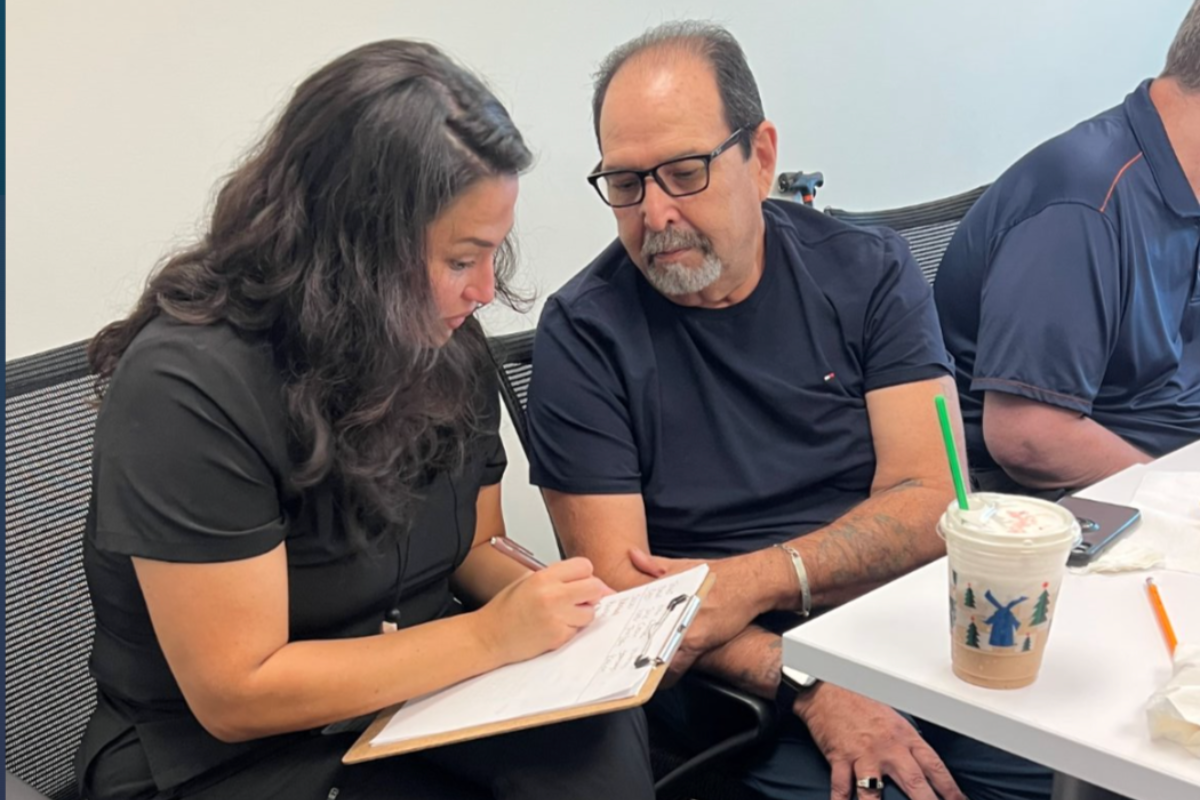
A central theme of the work done on the Aphasia Cruise is the Life Participation Approach to Aphasia (LPAA), an evidence-based model that prioritizes enhancing the quality of life for individuals with aphasia, rather than aiming for a cure. The approach goes beyond speech mechanics to facilitate self-assurance and independence in daily activities.
“Take something like cutting a steak in the dining room,” Dr. Eaton says. “It sounds simple, but for someone with aphasia, it can be daunting to ask for help.” She explains that they may feel embarrassed, even if they can still do it with little assistance.
“Our students will be there to help, but more importantly, they’ll remind people that they can do it. We are not just teaching language; we are restoring the ability to participate in life,” she says.
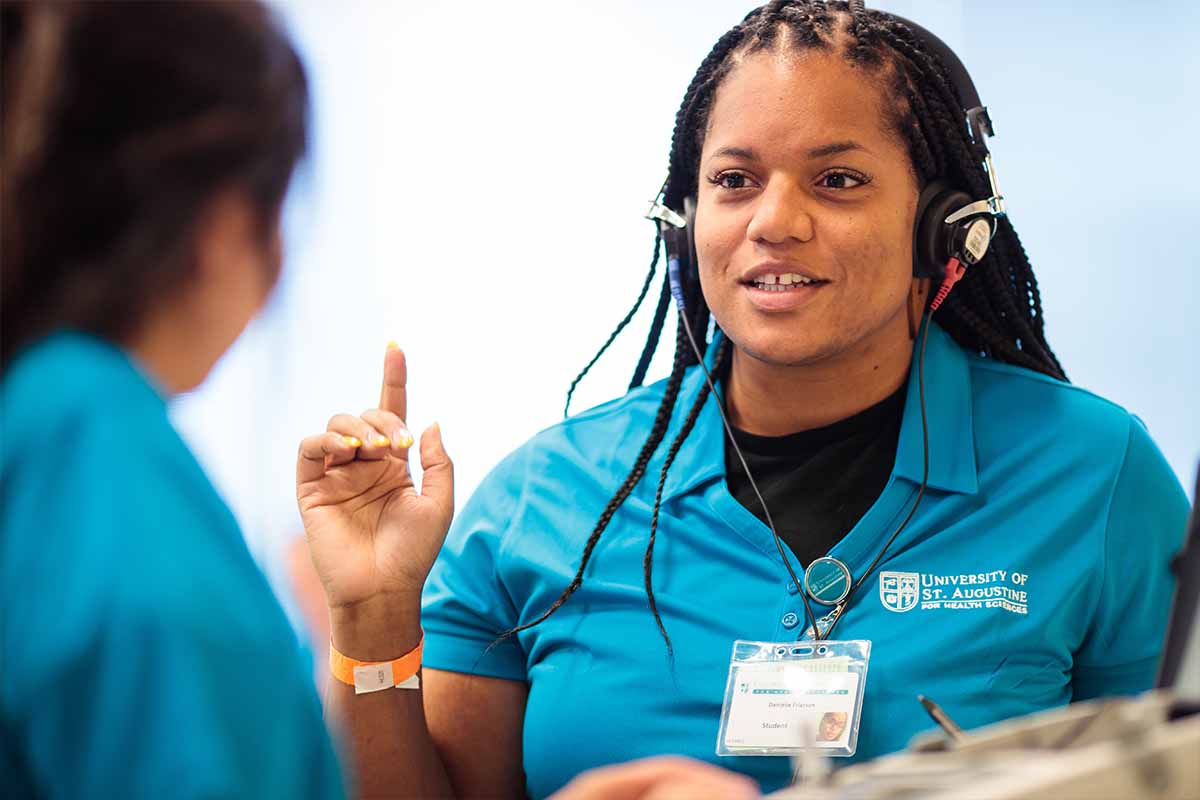
Students will help participants use devices like iPads or augmentative communication tools, provide prompts for verbal communication, or listen to them without judgment. These interactions may include practicing specific words or phrases, but they’re also about rebuilding a sense of belonging and self-worth, one conversation at a time.
Students Onboard: A life-changing learning opportunity
For many of the student participants, this week-long immersion will be their first hands-on experience working with people with aphasia in a real-world setting. They will apply the theories and techniques they’ve learned in the classroom in a way that’s designed to be flexible and person-centered.
“Students will get clinical contact hours and learn how aphasia affects everyday life. We spend so much time in therapy rooms, but there’s a whole world outside of that. That’s where real growth happens,” Dr. Eaton argues.
Dr. Eaton believes the experience will enrich her students’ clinical practices, providing them with a deeper understanding of the daily challenges individuals with aphasia face, and a stronger sense of empathy and creativity in approaching these challenges. “The experience changes them,” she says. “When they look back on this, it’s something they’ll carry with them throughout their careers. It gives them a deeper understanding of what really matters, helping people live well, no matter what challenges they face.”
A voyage of community empowerment
For individuals living with aphasia, the Aphasia Cruise centers on camaraderie. Many of the participants return year after year, seeking shared experiences with others who understand their struggles. “Aphasia can be isolating,” Dr. Eaton explains. “This cruise unites people, allowing them to bond over shared experiences and know that they are not alone.”
The students, too, find themselves becoming a part of this network of support. Dr. Eaton says cruise participants have commented that the best part of the cruise was working with the students. “They appreciate the fact that our students are dedicated to understanding aphasia. It’s not just about treatment; it’s about building relationships,” Dr. Eaton explains.
Looking ahead to an unforgettable experience
As Dr. Eaton’s class gets ready for the cruise, they prepare to witness the power of communication and the way it can bring people together, no matter the obstacles.
For future speech-language pathologists (SLPs), this cruise represents a unique chance to see the tangible impact they can make. “It opens up their sphere. It’s a lot of work, but it’s really rewarding.” Dr. Eaton states. For the individuals with aphasia, it’s a chance to rediscover connection and confidence in a safe and welcoming space.
The USAHS San Marcos campus also hosts weeklong Aphasia Boot Camps, offering a rare intensive therapy for individuals with aphasia across the country.
Learn more about the aphasia cruise and follow their journey on Facebook.