Master of Science in Speech-Language Pathology (SLP) Program – USAHS
Students in the Master of Science in Speech-Language Pathology (MS-SLP) program at the University of St. Augustine for Health Sciences (USAHS) share what drew them to the program’s hybrid format, online coursework paired with hands-on residencies during four of the program’s five trimesters. This structure lets students learn from home while still gaining the in-person clinical training and immediate faculty feedback essential to becoming a skilled clinician.
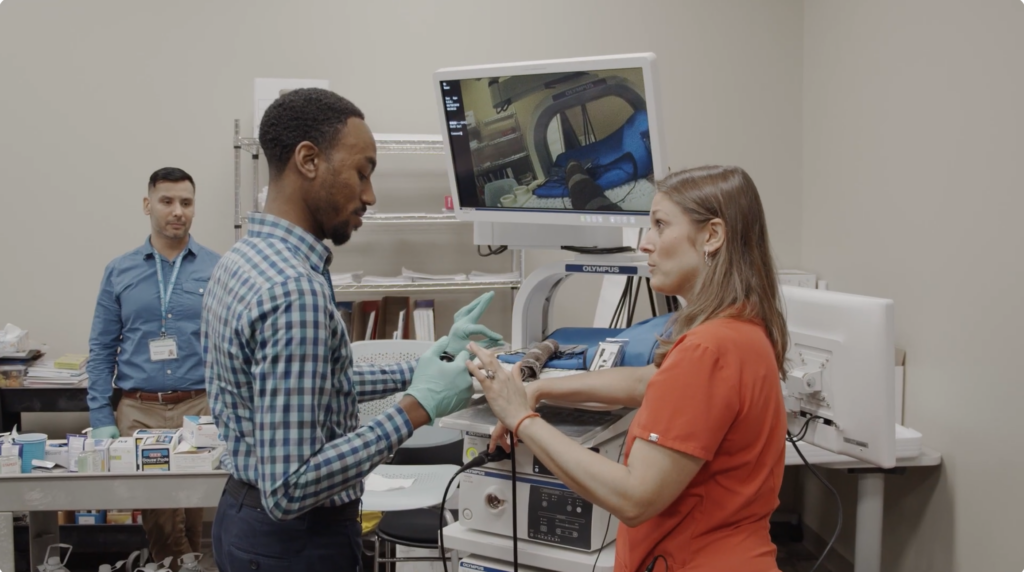
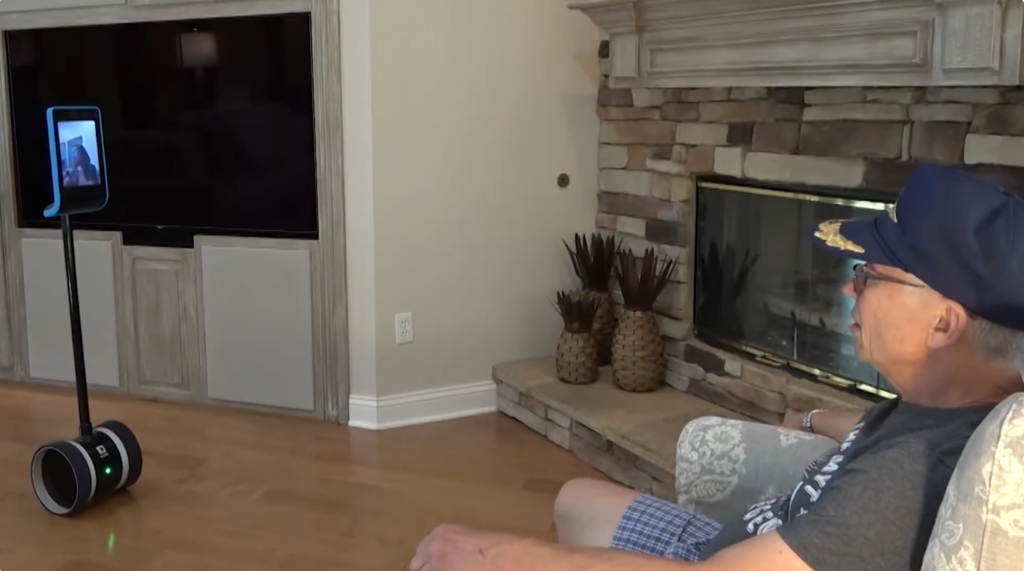
The program combines multiple layers of hands-on learning: practicing with standardized patients trained to simulate real clinical scenarios, working with real clients through the program’s Pro Bono Teletherapy Clinic under full faculty supervision, and using specialized equipment like flexible endoscopes, AAC devices, and audiometers in simulated clinical settings. Students also complete clinical experiences at sites the university identifies and coordinates on their behalf, removing the stress of finding placements so they can focus on learning.
Together, these elements reflect USAHS’s broader approach to SLP education, blending flexibility with rigorous, hands-on clinical training to prepare confident, practice-ready Speech-Language Pathologists.
Transcript
Master of Science in Speech-Language Pathology (SLP) Program – USAHS
[00:00:00] Abigail H. (SLP Student): I chose this program because of the hybrid aspects. [00:00:05] Kayla W. (SLP Student): I wanted the flexibility. [00:00:07] Meghan Savage (SLP Programs) : We have a five-trimester program. It’s a hybrid program. The academics are done online, and then students come to campus four out of the five trimesters for hands-on skills training. [00:00:17] Kayla W. (SLP Student): I wanted to be able to learn online, but still get some of that hands-on experience. [00:00:22] Abigail H. (SLP Student): I don’t have to move. [00:00:23] La’Qunita T. (SLP Student): I get to take my courses at home. [00:00:25] Kayla W. (SLP Student): As well as coming to campus for residencies and doing all sorts of hands-on learning from our professors and interacting with my cohort. It’s been amazing. [00:00:33] Casey Keck (SLP Faculty): Residency is our immersion experience. They are practicing on campus with their faculty there as mentors the skills they’ll be doing in clinical practice. [00:00:42] Meghan Savage (SLP Programs) : It’s really critical that our students have hands-on, in-person skills training. You can learn theory online, but you need to learn the skills of how to deliver an assessment or to do different treatments in person. [00:00:57] Kayla W. (SLP Student): The immediate feedback at residency really allows you to grow and learn while you’re doing it. [00:01:04] Jonathan G. (SLP Student): And it’s a safe learning environment, which that’s what I really like about it here. [00:01:07] Kayla W. (SLP Student): All of our faculty is so supportive. [00:01:09] La’Qunita T. (SLP Student): They’re very knowledgeable. We get to pick their brain. [00:01:12] Claryssa Montgomery (SLP Faculty): They’re able to practice with each other. Sometimes they get to practice with actual standardized patients. These are actors who are trained very specifically how to present in a certain way. [00:01:22] Meghan Savage (SLP Programs) : We have a pro bono teletherapy clinic. All of our students get a client, and students are supervised with our SLP clinical educators 100% of the time. [00:01:32] Jonathan G. (SLP Student): I also really like the facility here. It is designed to mimic the hospital setting, a skilled nursing facility, outpatient facilities. [00:01:42] Meghan Savage (SLP Programs) : And we have a flexible endoscope with a camera on the end, and our students get hands-on practice scoping a model head. [00:01:49] Claryssa Montgomery (SLP Faculty): Hands-on practice with AAC devices, doing audiometer readings. [00:01:53] Abigail H. (SLP Student): We are doing externships. [00:01:55] Kayla W. (SLP Student): The university found the placement for us. [00:01:57] Abigail H. (SLP Student): So they organized that. [00:01:58] Kayla W. (SLP Student): And took that stress away from us. [00:02:00] Abigail H. (SLP Student): And then you get to go and learn and practice your skills. [00:02:02] Christine Fiestas (SLP Faculty): That allows the students the time and the freedom to focus on their studies instead of worrying about if they’re going to have a placement. [00:02:09] Meghan Savage (SLP Programs) : We really believe that coming on campus, practicing these skills, helps set them apart as a better prepared clinician than solely online. [00:02:20] Kayla W. (SLP Student): I think that’s really what makes this program special. [00:02:22] Jonathan G. (SLP Student): I would definitely recommend University of St. Augustine.