
Miguel Garcia – PT, DPT, EdD – Physical Therapy Profiles, USAHS
Everyday back pain and a stroke sit at opposite ends of what physical therapists treat, and for Miguel Garcia, PT, DPT, EdD, the common thread is movement. Miguel teaches physical therapy at the University of St. Augustine for Health Sciences (USAHS) campus in Miami, Florida, and sees PTs as experts in normal movement who help patients get back to as normal a life as possible.
Baseball brought Miguel to the PT field. Repeated injuries threatened a playing career, and a skilled physical therapist got Miguel back on the field more than once. A mentor later suggested that a competitive spirit would suit neurological rehabilitation, and Miguel has now spent 20 years working with people after stroke, brain injury, Parkinson’s disease and multiple sclerosis.
Transcript
Miguel Garcia – PT Profile TRANSCRIPT
[00:00:00] Miguel Garcia (PT Faculty): A physical therapist is someone that will work with patients’ inability to move in some aspect. Whether it’s from something as common as back pain that’s limiting your everyday life to something as severe as a stroke. As physical therapists, we’re experts in understanding what normal movement is and trying to understand the effects of the disease on that movement and how we can get you back to living as normal of a life as possible as compared to whatever led to you coming to see us. [00:00:33] Miguel Garcia (PT Faculty): Growing up, I was a baseball player. Multiple injuries that led me to not be able to continue my, my path in baseball, and came across a fantastic physical therapist who, um, was able to get me back on the field multiple times, and fell in love with the field. [00:00:50] Miguel Garcia (PT Faculty): My specialty actually is not in sports. I work with patients with neurological disease. So early on, one of my mentors said that because of my competitive spirit, I would really do well with patients with neurological disease. So for 20 years, I’ve worked with people who’ve had stroke, brain injury, Parkinson’s disease, multiple sclerosis, and that’s what, um, that’s what I continue to do now, and now teach within the university for.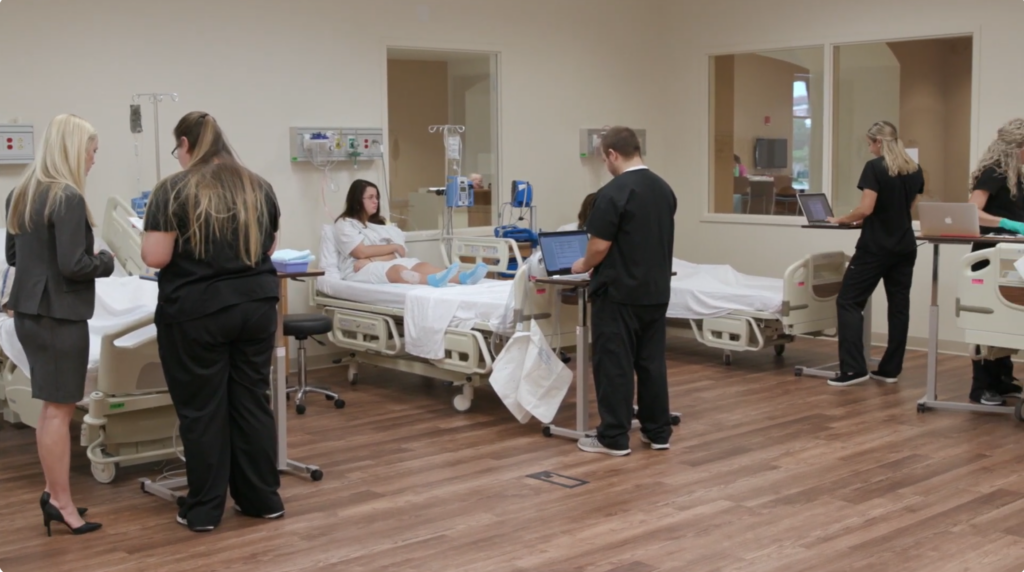
Center for Innovative Clinical Practice (CICP)—University of St. Augustine for Health Sciences
Students and faculty discuss learning in state-of-the-art simulation facilities.
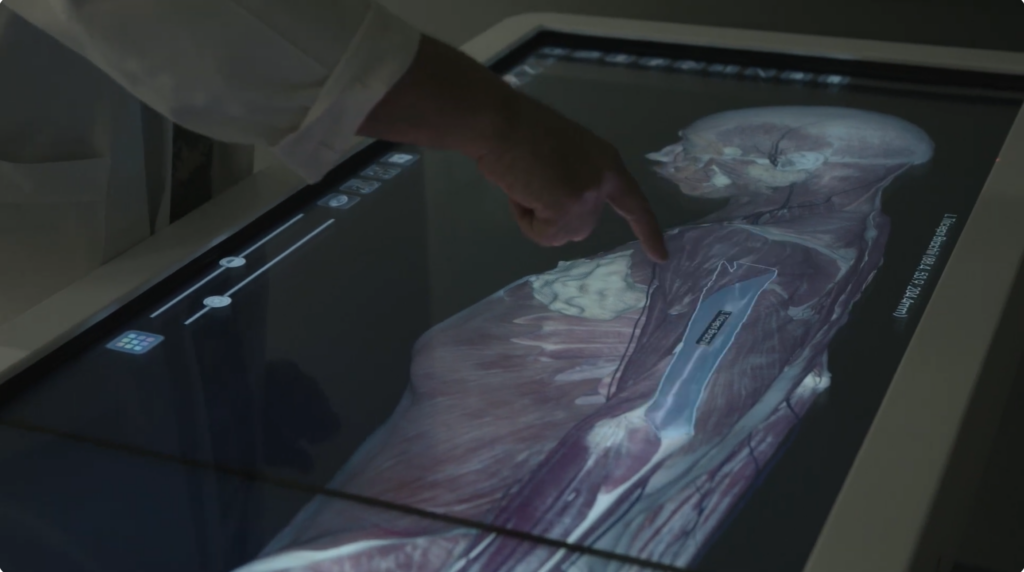
Innovation at the University of St. Augustine for Health Sciences – Anatomage Table
A look at innovative learning technology at USAHS.
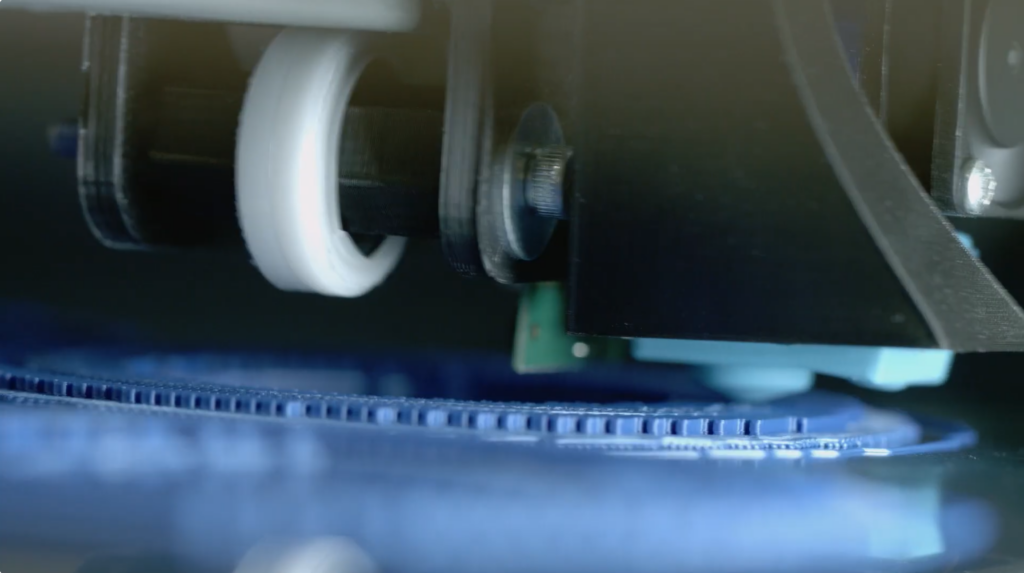
Innovation at the University of St. Augustine for Health Sciences – 3D Printer
A look at innovative learning technology at USAHS.