Occupational Therapy Programs at the University of St. Augustine for Health Sciences
Explore the occupational therapy student experience at the University of St. Augustine for Health Sciences (USAHS) through perspectives from students, faculty, and program leaders. The video highlights the hands-on approach to occupational therapy education, including early clinical skill development, simulation labs, practical learning environments, and opportunities to work with patients through community-based services. Students and faculty discuss how these experiences help connect classroom instruction with real-world occupational therapy practice.
The video also explores the academic support available throughout the occupational therapy programs such as guided faculty mentorship, and assistance with clinical fieldwork placements. From the first semester through Level II fieldwork experiences, students share how faculty guidance, practical training, and clinical experiences contribute to their development as future occupational therapy practitioners.
Transcript
Occupational Therapy Programs at the University of St. Augustine for Health Sciences
[00:00:00] Natalie M. (OT Student): My experience in this program honestly has been great. [00:00:05] Annabeth D. (OT Student): It’s been great. I’ve absolutely loved my time here. [00:00:08] Parker B (OT Student): I really enjoy being a student here. I feel like it’s like a big old family. [00:00:12] Erin Schwier (OT Programs): The ability to practice hands-on, the ability to really apply the skills with either simulated or real patients happens in the first semester. [00:00:19] Erin Schwier (OT Programs): So we give opportunities right away. [00:00:21] Parker B (OT Student): Hands-on learning was started right when we got here. [00:00:25] Erik Perez (OT Faculty): Students get a lot of real-life examples of what they can expect to see out in practice, and it helps them be prepared, not just for entry-level practice, but to be, again, those change agents that contribute to the wellbeing of society and the profession. [00:00:37] Erin Schwier (OT Programs): It may be that they’re practicing with their peers, and it may be that they’re practicing with their faculty. But then we try to put that into as much of a real context as possible and give them those actors and give them people they don’t know. [00:00:48] Keith McWilliams (OT Faculty): We also have a pro bono clinic where people are coming in from the community to receive therapy services where students are working alongside of our clinicians. [00:00:57] Paula V. (OT Student): And all that hands-on really comes in handy, especially once we start going on field work. We see those things and we’re like, “Hey, we did that in class.” So that helped a lot. [00:01:04] Erik Perez (OT Faculty): They’re allowed to make mistakes in a safe and controlled environment with faculty providing immediate reinforcement and feedback. [00:01:12] Erin Schwier (OT Programs): We have an in-patient simulation lab. We’ve got individual treatment rooms that are available that look just like you would see in a clinic. We have this ADL room that I’m sitting in, which stands for “Activities of Daily Living.” It’s a mock apartment. The resources are so well-constructed and consulted specifically for our students. [00:01:30] Annabeth D. (OT Student): I’ve loved all of my faculty. [00:01:32] Paula V. (OT Student): I like that our classes are rather small, so we get more of a, like, one-on-one interaction with the professors. [00:01:38] Erin Schwier (OT Programs): One of the wonderful things that we provide as a part of our curricular experience for students is faculty advisement in, in a very specific and intentional way. So you’re assigned a faculty advisor when you come into the program, and that person is there to guide you throughout your entire experience. [00:01:56] Erin Schwier (OT Programs): You meet with them multiple times in a term. You set personal professional goals. They monitor your progress throughout the curriculum. [00:02:02] Annabeth Dorris: If I have a question, we’re going to break it down and work together and use our experiences to answer that question and see how we can go a step further. [00:02:13] Erin Schwier (OT Programs): Not everybody needs the same level of support or the same resources as support. [00:02:17] Erin Schwier (OT Programs): And so what the faculty coaching and faculty guided mentorship approach allows is for individualized, customized support services for each of our students. [00:02:28] Erik Perez (OT Faculty): After they complete the didactic portion of the program with us, they go into clinical level twos. We have an amazing team that looks to align our students’ interests with clinical placement sites across the US. [00:02:39] Annabeth Dorris: The AFWC team is fantastic. They are a phone call away when you’re out on field work. They’re always checking in to make sure that you’re okay, that you are, you know, getting everything you need to out of field work. [00:02:51] Erin Schwier (OT Programs): We believe it’s the combination of resources that are available to students while they’re on campus learning, the ability for our faculty to create and curate really valuable learning experiences from simulation all the way to pro bono patient care, that allow our students to grow and thrive within the program, to help them to become the practitioners we know they can be. [00:03:10] Annabeth Dorris: I’m very grateful for my time and just reflecting on all the hard work. Excited to take the next step and go into the next chapter.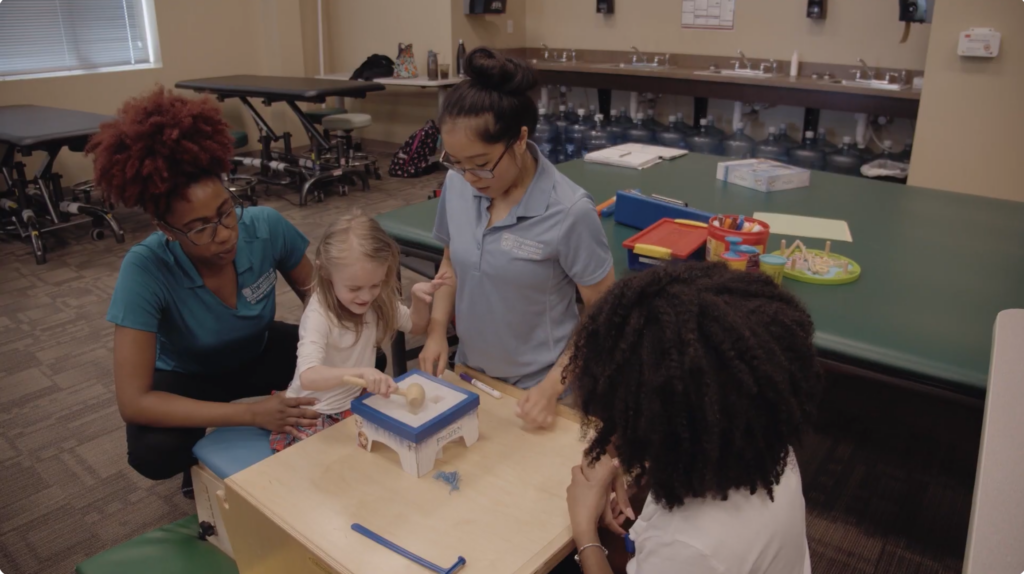
Pediatrics at the University for St. Augustine for Health Sciences
Learn how faculty prepare students for pediatric care.
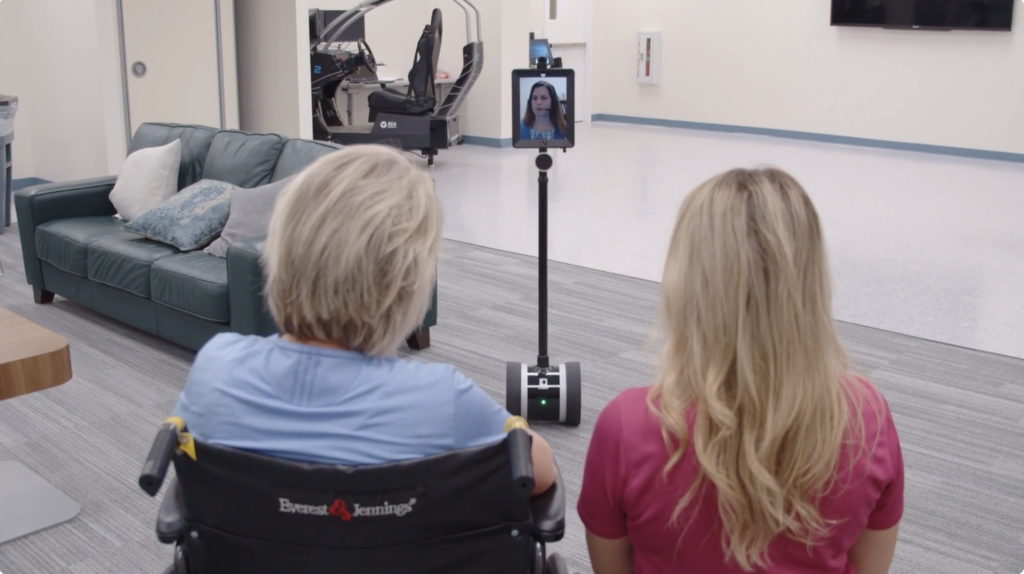
Introducing the Double Robot & Telehealth at the University of St. Augustine
A look at innovative learning technology at USAHS.
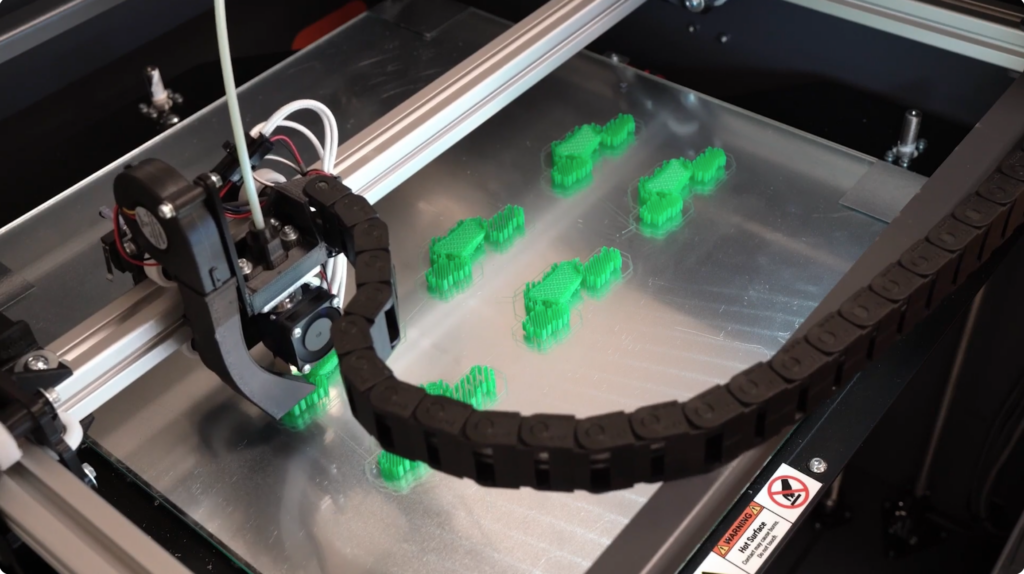
3D Printer and Scanner
A look at innovative learning technology at USAHS.