
FNP Student Testimonial – On Campus Intensives – Women’s Health
Jennifer, a Family Nurse Practitioner (FNP) student at the University of St. Augustine for Health Sciences (USAHS), came to graduate school with bachelor’s degrees in biology and nursing and 17.5 years of practice. A member of the first graduating class of the FNP program, Jennifer attends an on-campus intensive in women’s health at the St. Augustine, Florida campus.
An intensive packs clinical skills, assessments and community building with peers into three days, covering in a short span what might take weeks in a traditional setting. This one focuses on breast awareness and assessment, pelvic exams with speculums, and Pap smears, including normal and abnormal cytology.
For working nurses considering an FNP degree, it’s a clear look at how intensives add supervised skills practice to the program.
Transcript
FNP Student Testimonial – On Campus Intensives – Women’s Health
[00:00:00] Jennifer (Nursing Student): I have a bachelor’s degree in biology, a bachelor’s degree in nursing, and after 17 and a half years of practice, I decided, “Let’s go get a master’s.” I am a proud member of the first graduating class from St. Augustine in the Family Nurse Practitioner program, and I’m here today participating in the intensive on women’s health. [00:00:27] An intensive is clinical skills and assessments, community building with your peers, all rolled into three days. So, what normally would take a couple of weeks to do in the traditional setting, here, we do it very quickly, all at once, and very thoroughly. Today, in this particular intensive, we’re going to be focusing on breast awareness and breast assessment, understanding the anatomy and physiology of the breast wellness and illness. [00:00:59] We’ll also be learning pelvic exams using speculums, how to perform Pap smears, again, looking at normal cytology as well as abnormal cytology. It’s one thing to read something in a textbook or listen to it in lecture, but having the opportunity to put your hands on a patient and have someone guide you through the process is, in my personal opinion, very beneficial. They were vital to my education process during the intensive.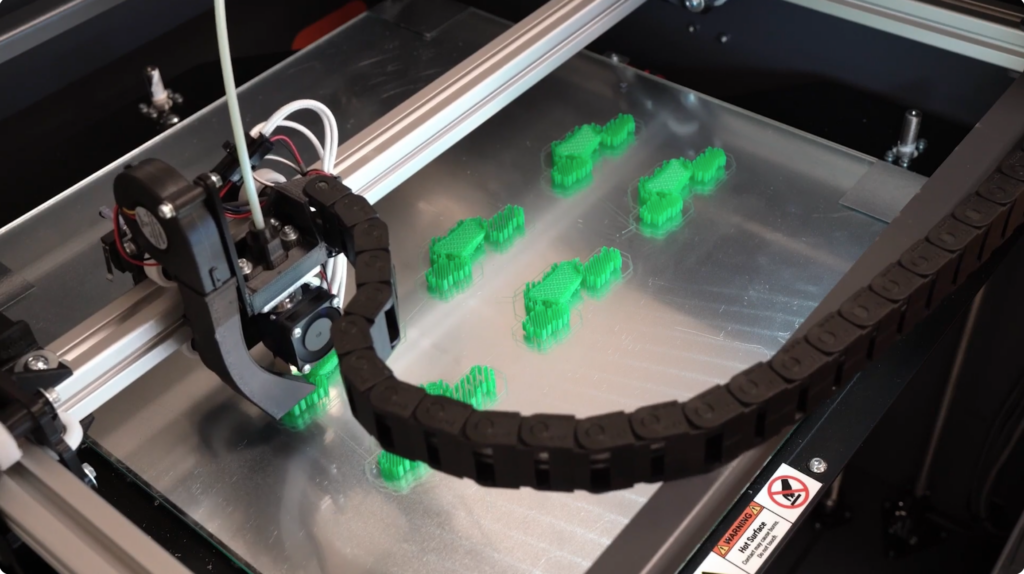
3D Printer and Scanner
A look at innovative learning technology at USAHS.
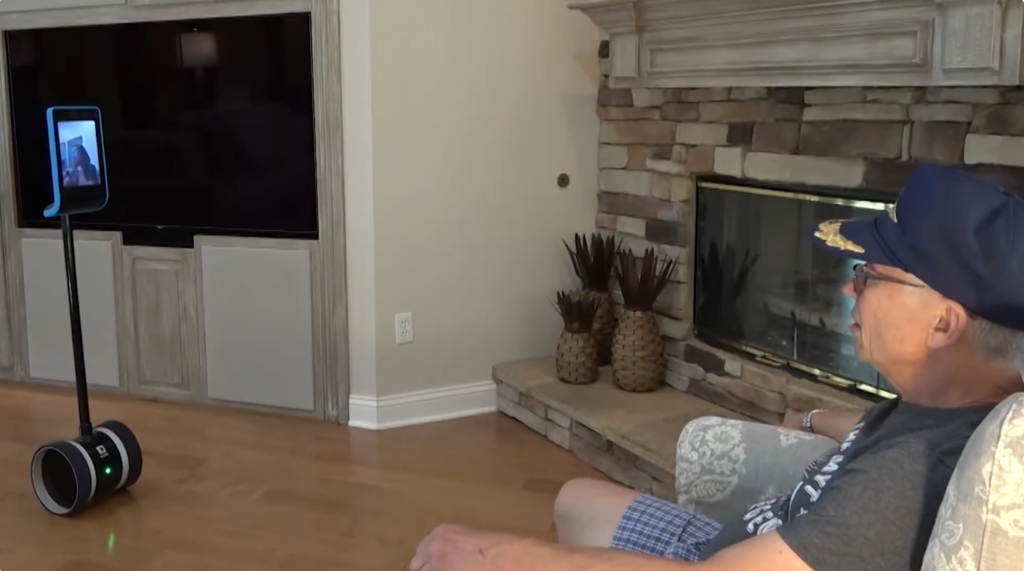
Double Robot Technology at USAHS
A look at innovative learning technology at USAHS.
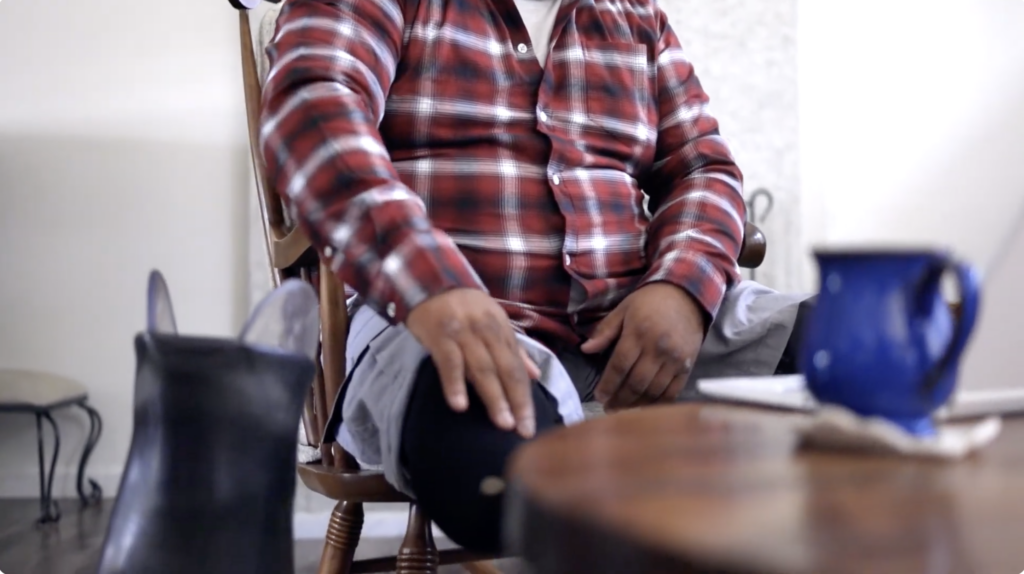
Creating Prosthetics Using a 3D Scanner — USAHS St. Augustine Campus
Faculty at the St. Augustine campus build 3D printed prosthetics for clients.