
CardioPulm Simulation
In a cardiopulmonary simulation at the University of St. Augustine for Health Sciences (USAHS) campus in St. Augustine, Florida, physical therapy students treat a patient recovering from a coronary artery bypass graft and mitral valve replacement. Faculty member Lisa Chase designs the case so students must get the patient to sit at the edge of the bed and, if possible, stand and transfer to a chair.
The room feels like a hospital, with monitors, alarms and lights going off while professors watch. As the patient moves, Lisa manipulates vital signs and cues complaints of chest pain, dizziness or fatigue, so students must document symptoms and respond appropriately.
Working through scenarios like this before internships gives students a chance to consider situations they might not otherwise have considered, while the stakes are still simulated.
Transcript
CardioPulm Simulation
[00:00:00] Daja (PT Student): So your blood pressure is a little high. Oxygen level’s good, okay? So we’re just going to let you rest here for a little bit longer. [00:00:18] Lisa Chase (PT Faculty): What you saw today from a sim perspective was a case that involved a patient that had had a coronary artery bypass graft and a mitral valve replacement. [00:00:28] Daja (PT Student): With all that’s going on in here, you have different monitors going off. You know, your professors are watching you. [00:00:33] Lisa Chase (PT Faculty): You have bells, buzzers all kinds of lights going off. The patients that are in front of them are responding. And so the students are actually having to practice hands-on and immediate response. [00:00:43] Daja (PT Student): It really gets you on your feet and puts you on your toes as you would be out in the clinic. [00:00:47] Lisa Chase (PT Faculty): Our goal for that case was to get the patient seated edge of bed, and if possible, stand and potentially transfer to a bedside chair. However, in the course of all that I was able to manipulate vital sign responses as they transitioned from being supine to seated edge of bed to possibly stand. And then the instructor was even in the background holding up signs telling the patient to either complain of chest pain, complain of dizziness, complain of fatigue, and that caused the students to go to other forms that they have that would actually allow them to document dyspnea, angina, or ratings of perceived exertion. And based on the patient’s report, the student had to appropriately respond. [00:01:27] Daja (PT Student): You know, the last thing we want is to sit our patient up or stand them up and, you know, their blood pressure’s dropping. They’re starting to feel dizzy. They’re starting to feel lightheaded. [00:01:34] Lisa Chase (PT Faculty): It is a simulated situation that they are going to have to face when they get out, and it may actually give them an opportunity to deal with things they never thought of before. And it gives them a chance to think through it before it is actually a real-life experience. [00:01:45] Daja (PT Student): We’ve been trained under it for so long that it gets us prepared for any situation that we could be put under.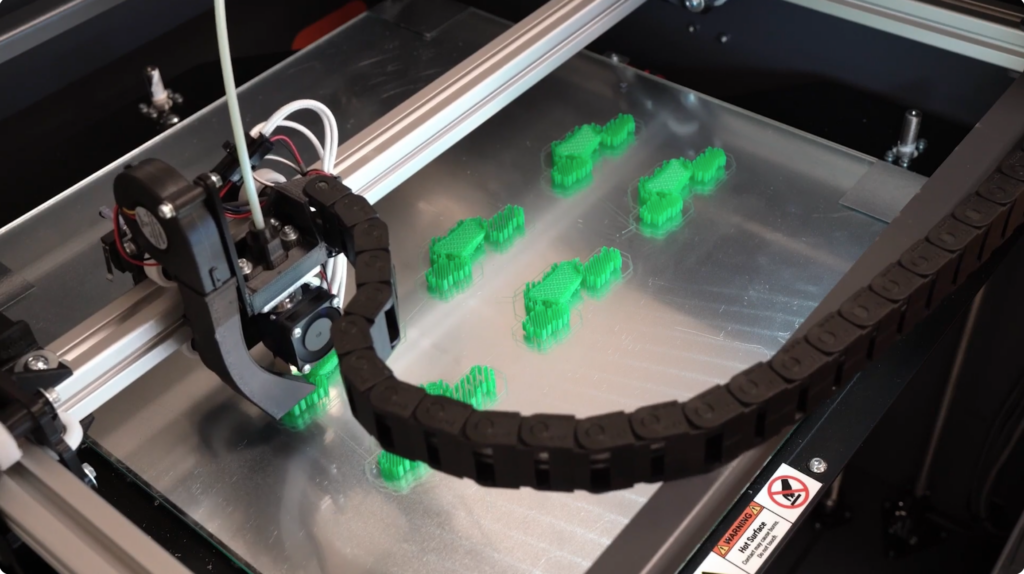
3D Printer and Scanner
A look at innovative learning technology at USAHS.
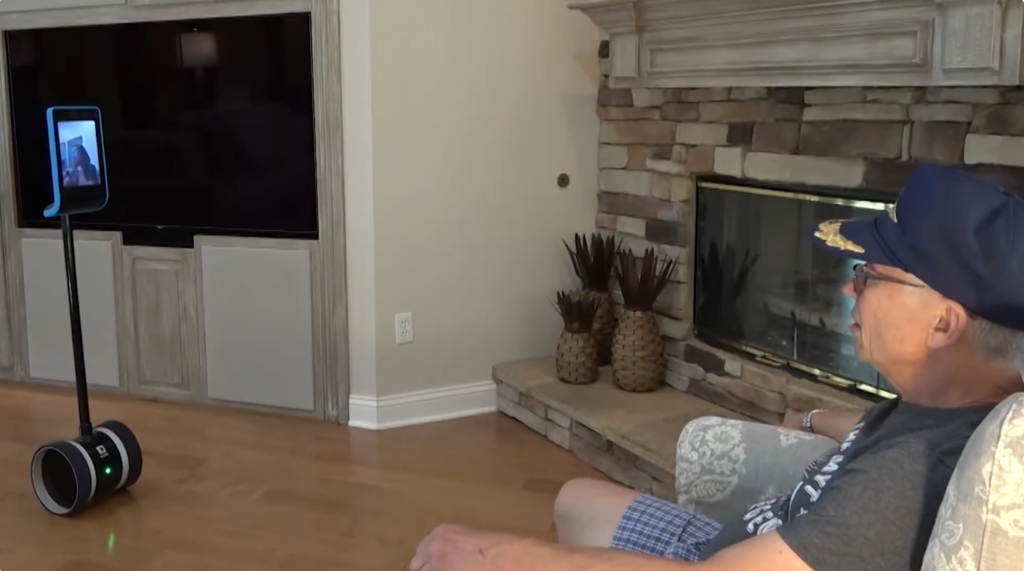
Double Robot Technology at USAHS
A look at innovative learning technology at USAHS.
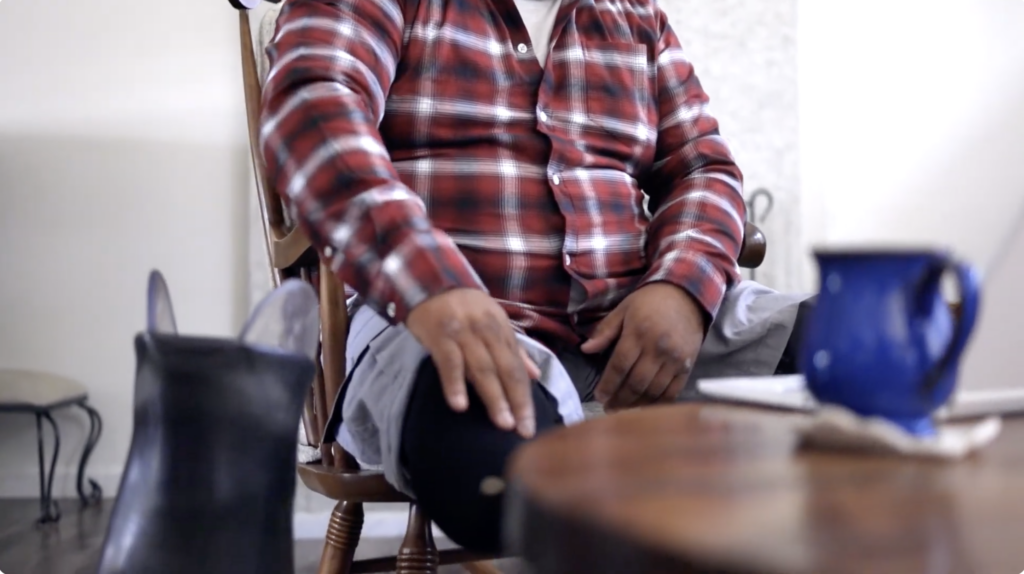
Creating Prosthetics Using a 3D Scanner — USAHS St. Augustine Campus
Faculty at the St. Augustine campus build 3D printed prosthetics for clients.