
Are you wondering how to become a physical therapist in California?
If you are considering working as a physical therapist (PT) in California, the path is straightforward, but it does require planning. You’ll start by earning a Commission on Accreditation in Physical Therapy Education (CAPTE)-accredited Doctor of Physical Therapy (DPT), completing required clinical education and graduating.1
Then, you’ll take the National Physical Therapy Examination (NPTE) and wrap up Physical Therapy Board of California (PTBC) requirements like applications, fees and state-specific steps. Think ahead about timelines, paperwork and clinical placements, and you’ll set yourself up to stay on track all the way to obtaining your California physical therapist license.
Considering a career as a physical therapist? According to the Bureau of Labor Statistics (BLS), the demand for physical therapists is expected to increase by 11% over the next 10 years, meaning the outlook is bright.1
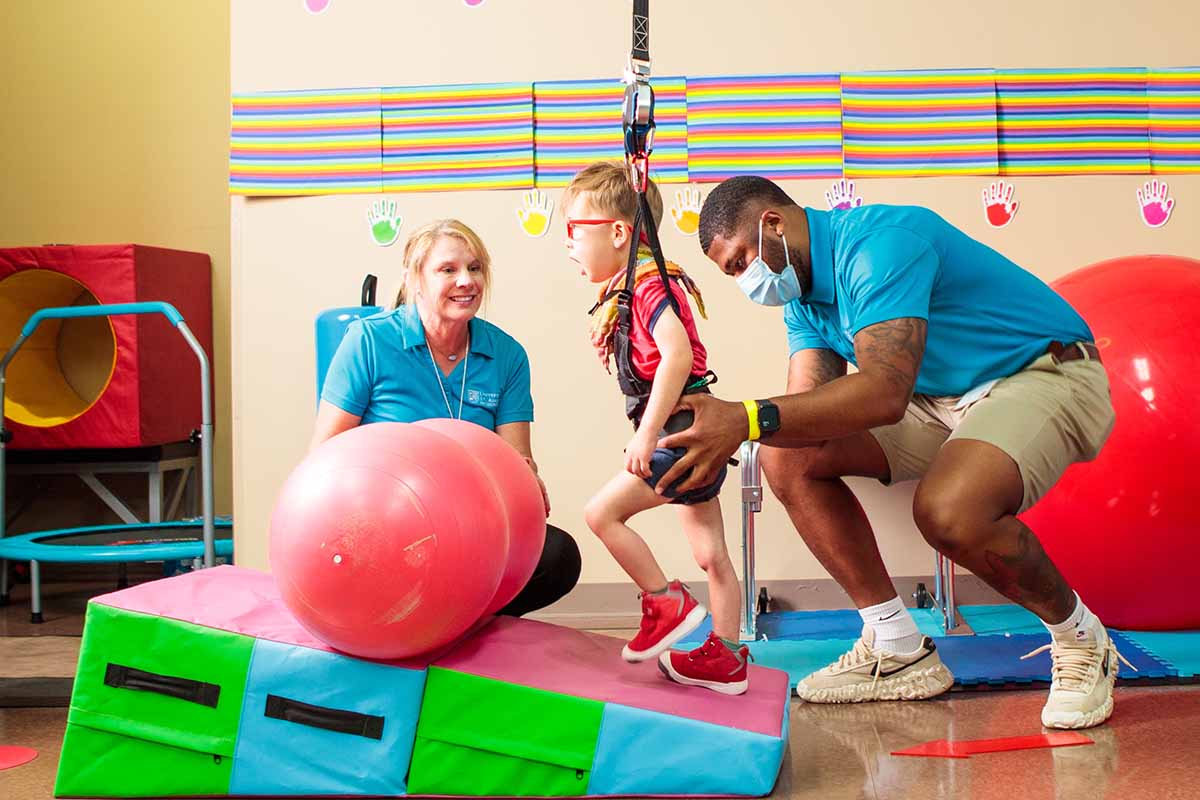
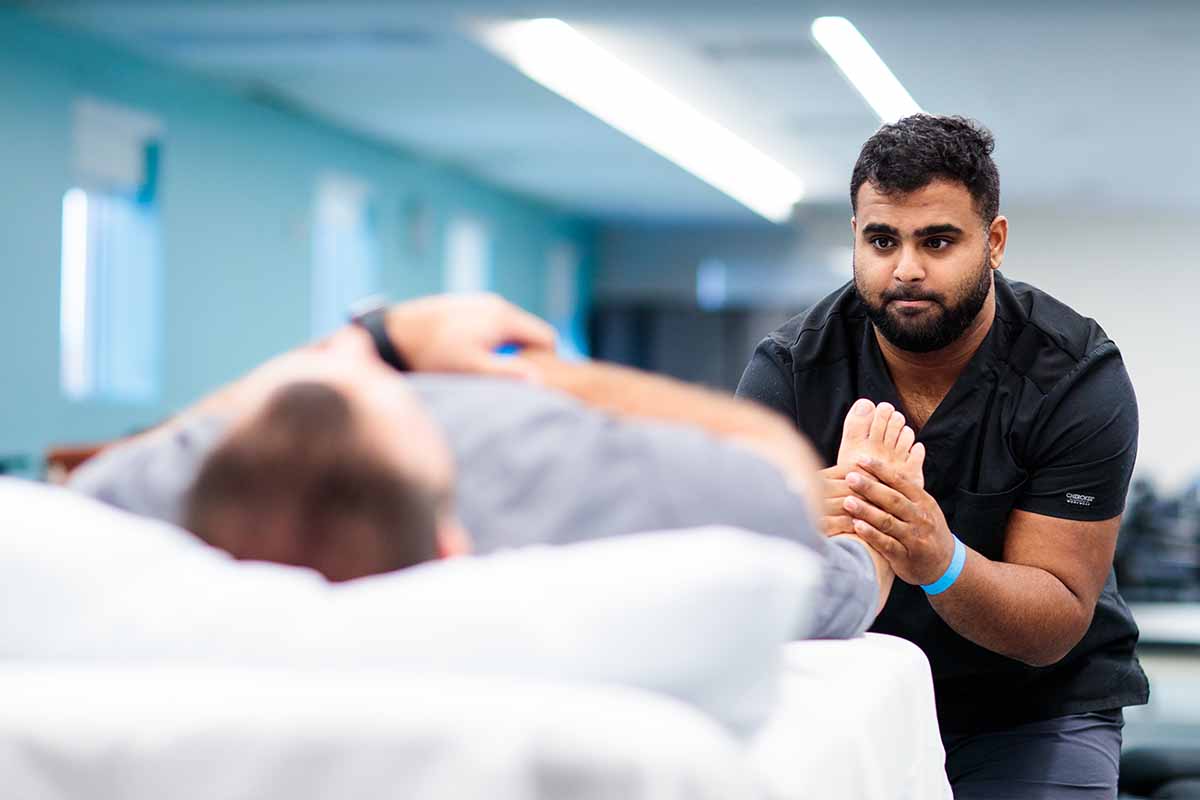
PTs are clinicians who, through careful planning and assessment, deliver rehabilitative programs to help patients improve their mobility. Physical therapy also helps patients relieve pain and restore function after injury, illness or surgery.
In California, PTs are licensed and regulated by the PTBC under the Physical Therapy Practice Act.2 The path to becoming a licensed physical therapist in California usually involves earning your bachelor’s degree, completing a Doctor of Physical Therapy (DPT), passing both national and state exams and applying for licensure through the PTBC.
It can feel overwhelming, and we’ll walk through each step of the process and highlight where the University of St. Augustine for Health Sciences (USAHS) Doctor of Physical Therapy program fits into your California physical therapy journey.
Complete a Bachelor’s Program
Before you apply to a Doctor of Physical Therapy program, you’ll need to earn a bachelor’s degree. According to the American Physical Therapy Association (APTA), there is no single required undergraduate major for DPT admission; however, applicants typically complete prerequisite coursework in areas such as biology, anatomy and psychology.3
Due to the forecasted demand for physical therapists,1 program entrance can be competitive. Doctor of Physical Therapy programs evaluate applicants based on completion of prerequisite courses, academic performance and relevant experiences, such as observation hours in physical therapy settings. These experiences can help you better understand the profession and make your application more competitive.
At USAHS, we have specific prerequisite course requirements and recommended experiences for our Doctor of Physical Therapy program. Applicants apply through the Physical Therapist Centralized Application Service (PTCAS), which streamlines the process. Reviewing our program prerequisites early can help you plan your undergraduate coursework more effectively and make your application stand out.
Earn a Doctor of Physical Therapy (DPT) From a CAPTE-Accredited Program
What are the physical therapist education requirements in California? Each state has a different set of educational requirements you need to meet to earn your Doctor of Physical Therapy degree.
In California, you’ll need to meet requirements set forth by CAPTE. CAPTE is the recognized accrediting agency for entry-level physical therapist education in the United States. It establishes the standards for curriculum content, clinical education and student outcomes.4
USAHS DPT Program in California
At USAHS, we offer a CAPTE-accredited DPT program at our five campuses. This program are designed to meet CAPTE standards while offering different learning formats to support a range of student needs.
Our DPT pathways include:
- Residential DPT: Coursework and immersive weekday lab experiences held on campus and online each week.
- Hybrid Immersion: Includes online coursework, live virtual weekday sessions and two on-campus lab immersions per term.
- Flex DPT: Built for students who need more weekday flexibility, this format combines online coursework with live virtual evening/weekend sessions and on-campus labs on select weekends so you can keep moving toward your DPT with a schedule that works for you.
In addition to San Marcos, USAHS offers the DPT program at campuses in Florida and Texas. Graduates of CAPTE-accredited programs may pursue licensure in California, provided they meet PTBC requirements.

Complete Clinical Education and Graduate
What about other physical therapist requirements in California? Clinical education is a core part of DPT training and it’s also essential for PT licensure in California. CAPTE standards require DPT programs to include supervised clinical education experiences so students can apply what they’ve learned in the classroom to real patients in clinical practice settings.
These clinical experiences are where skills come together. They give you exposure to different environments and help you start building the clinical judgment you’ll rely on as a licensed PT. Depending on your interests, physical therapists may work in outpatient clinics, hospitals, rehabilitation centers or specialty practices. To graduate, you must complete your didactic coursework, skills labs and required clinical education experiences.
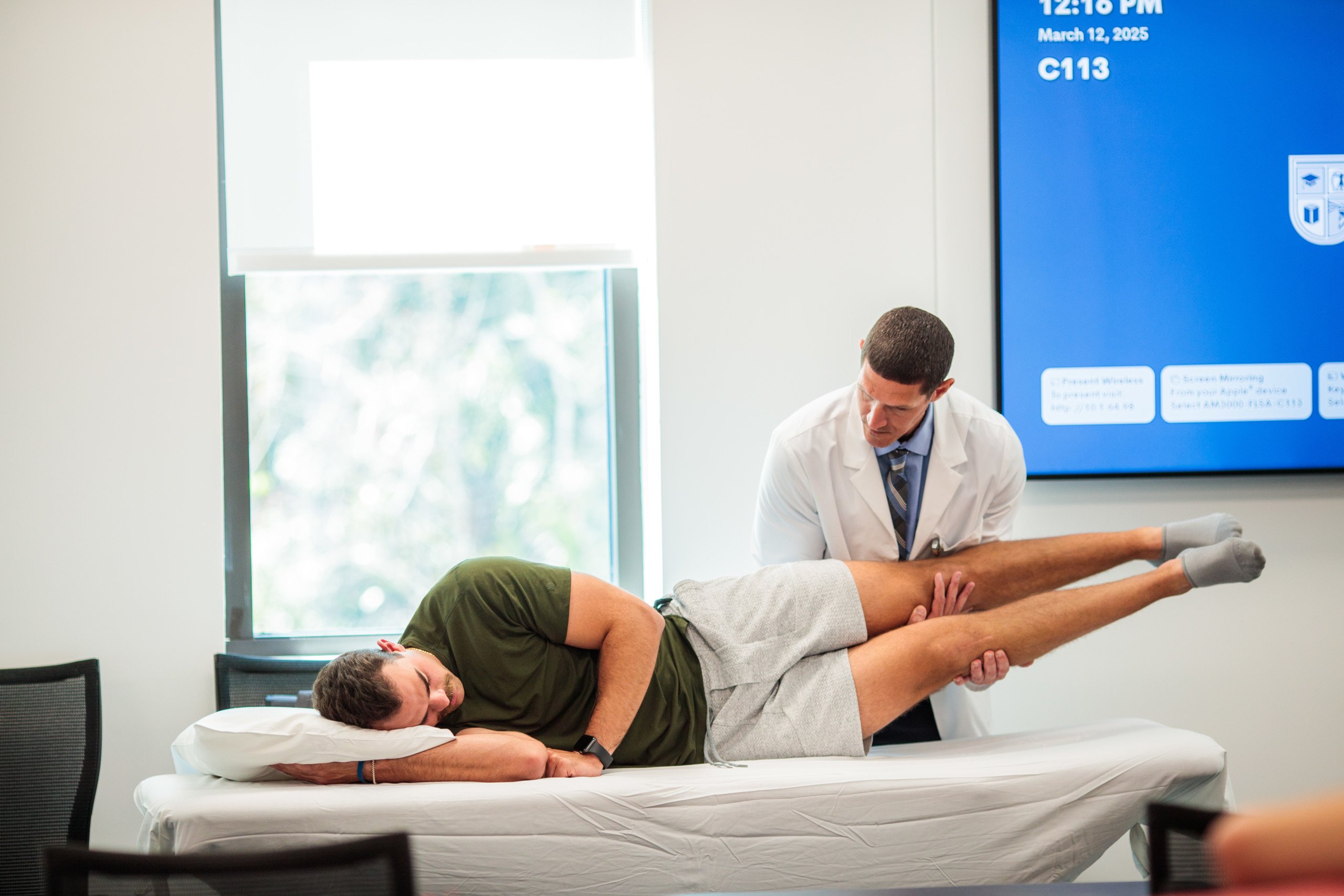
At USAHS, we emphasize hands-on learning from day one through on-campus labs and a broad clinical education network.
Our students complete clinical rotations at approved sites in California and across the country, gaining experience in settings where California physical therapists commonly practice. That variety can help you build professional connections and confidence as you move into the licensure process.
Register for and Pass the NPTE
After graduating from a CAPTE-accredited DPT program, the next step toward earning your California physical therapist license is registering for and passing the National Physical Therapy Examination (NPTE). The NPTE is administered by the Federation of State Boards of Physical Therapy (FSBPT) and is required for licensure in all U.S. jurisdictions, including California.5
The NPTE assesses entry-level competence across key areas of physical therapy practice. FSBPT provides resources related to exam eligibility, registration, score reporting and exam-day expectations.6,7
California Jurisprudence Assessment
Once you’ve passed the NPTE, you’ll need to adhere to California requirements. California requires physical therapist applicants to complete a jurisprudence assessment that covers state-specific physical therapy laws and regulations. This assessment is administered through FSBPT’s California Jurisprudence Assessment Module (CA JAM).8
The Physical Therapy Board of California outlines examination requirements and timing, often allowing candidates to complete the NPTE and jurisprudence assessment within a similar timeframe to streamline the licensure process.9
Apply for Your California PT License
When the testing is over, it’s time to apply for licensure through the PTBC. The PTBC provides an application process map and guidance for new graduates, including required documentation, fees and background checks.10
After you’ve submitted all your required materials, including exam scores, your license may be issued. The PTBC also outlines endorsement procedures for physical therapists licensed in other U.S. jurisdictions, though core requirements such as the NPTE, jurisprudence assessment and background check still apply.11

Where USAHS Fits in Your California PT Journey
Are you ready to explore physical therapist schools in California? Your path to become a physical therapist in California should align with your life, not the other way around. That’s why at USAHS, we offer multiple DPT pathways designed to support different schedules, learning preferences and locations as you work toward PT licensure in California.
Our CAPTE-accredited Doctor of Physical Therapy program is designed to help you meet the education and clinical preparation standards required for entry-level practice. You can also find our programs listed in the PTCAS directory, including feedback from current and former students.12
If you plan to practice in California, we support your clinical preparation through partnerships with hospitals and clinics across the state, helping you gain hands-on experience and build local connections as you move toward Physical Therapy Board of California (PTBC) licensure. If you’re currently outside California but expect to relocate after graduation, you can also consider completing your DPT at one of our other campus locations in Florida or Texas.
No matter which pathway you choose, we combine evidence-based coursework, skills labs and clinical education to help prepare you for entry-level physical therapy practice.
Your Physical Therapy Journey
If you want to become a physical therapist in California, you’ll need a solid plan and consistent follow-through. At USAHS, we’re here to support you throughout the process. From undergraduate preparation to doctoral education, clinical training and licensure, each step builds on the last so you can move toward entry-level practice with confidence.
Contact USAHS today to learn more and take the first step towards a rewarding career in physical therapy.
FAQs
How long does it take to become a physical therapist in California?
The timeline varies, but most individuals complete a four-year bachelor’s degree followed by a three-year Doctor of Physical Therapy program. You may need to allow for additional time for examinations and licensure processing.1
Do I have to attend a DPT program in California to get licensed there?
No. You must graduate from a CAPTE-accredited DPT program, but the program does not have to be located in California. Graduates from accredited programs in other states may apply for California licensure if they meet PTBC requirements. USAHS has campuses in California, Florida and Texas.
Is the NPTE required for California PT licensure?
Yes. Passing the National Physical Therapy Examination is required for licensure in California, along with completion of the state’s jurisprudence assessment.
References:
- “Physical Therapists,” Occupational Outlook Handbook, U.S. Bureau of Labor Statistics (BLS), August 28, 2025, https://www.bls.gov/ooh/healthcare/physical-therapists.htm.
- “Physical Therapy Board of California,” Physical Therapy Board of California (PTBC), 2026, https://www.ptbc.ca.gov/.
- “DPT Admissions Process,” American Physical Therapy Association (APTA), 2025, https://www.apta.org/your-career/careers-in-physical-therapy/pt-admissions-process.
- “Accreditation Handbook,” Commission on Accreditation in Physical Therapy Education (CAPTE), 2024, https://www.capteonline.org/faculty-and-program-resources/resource_documents/accreditation-handbook.
- “National Exam (NPTE),” Federation of State Boards of Physical Therapy (FSBPT), ” https://www.fsbpt.org/Secondary-Pages/Exam-Candidates/National-Exam-NPTE.
- “About the National Physical Therapy Examination,” American Physical Therapy Association (APTA), 2025, https://www.apta.org/your-practice/licensure/national-physical-therapy-examination.
- “Eligibility Requirements,” Federation of State Boards of Physical Therapy (FSBPT), 2023, https://www.fsbpt.org/Secondary-Pages/Exam-Candidates/National-Exam-NPTE/Eligibility-Requirements.
- “California Jurisprudence Assessment Module (CA JAM),” Federation of State Boards of Physical Therapy (FSBPT),“ 2023, https://www.fsbpt.org/Our-Services/Jurisprudence-Assessment-Module-JAM-Services/California.
- “US-Educated PT/PTA Applicant — New Graduate Examination Information,” Physical Therapy Board of California (PTBC), 2026, https://www.ptbc.ca.gov/applicants/new_grad/exam.shtml.
- “Applicants,” Physical Therapy Board of California (PTBC), 2026 https://www.ptbc.ca.gov/applicants/index.shtml.
- “Licensure Reference Guide,” Federation of State Boards of Physical Therapy (FSBPT) 2023, https://www.fsbpt.org/Free-Resources/Regulatory-Resources/Licensure-Reference-Guide.
- University of St. Augustine for Health Sciences – San Marcos, CA,” PTCAS Directory, Physical Therapist Centralized Application Service (PTCAS), “2026 https://ptcasdirectory.apta.org/8044.aspx?id=8044&tab=profile.