
When it comes to deciding on a career pathway, the drive behind the role can be a strong motivator, especially when education requirements are intense. For many people, their dream job is to help others. Careers that help people can offer personal fulfillment, long-term career satisfaction and make a positive impact on the community.1
Jobs that help people can span various fields, including healthcare, public service, education and more. Everyone can find a career helping others that aligns with their skills and interests.
Top Careers That Help People
Let’s review 12 jobs that help people, along with their education requirements. The University of St. Augustine for Health Sciences (USAHS) offers graduate health sciences programs that prepare you for some of these helping jobs, such as our, physical therapy (PT) program, occupational therapy (OT) programs and Master of Science in Speech-Language Pathology (MS-SLP) program.
1. Nurse2
Education: Often, a bachelor’s degree and a nursing license. For those interested in advancing their education and career, explore Master of Science in Nursing (MSN) and Doctor of Nursing Practice (DNP) programs at USAHS.
Median salary: $93,600
Nurses are responsible for providing and coordinating patient care, which may include:
- Assessing the patient’s condition
- Administering medicine
- Consulting and collaborating with doctors
- Operating and monitoring medical equipment
- Teaching patients and their families how to manage injuries or illnesses
Nursing is one of the most versatile careers that help people. They can work in a range of locations and environments, including hospitals, nursing facilities and outpatient care centers. Some of these facilities may provide specialized care, enabling nurses to care for either a general or specialized population, depending on their work location or nursing level.
2. Physical Therapist3
Education: Doctor of Physical Therapy (DPT) (requirements for the DPT program at USAHS can be found here) and state licensure.
Median salary: $101,020
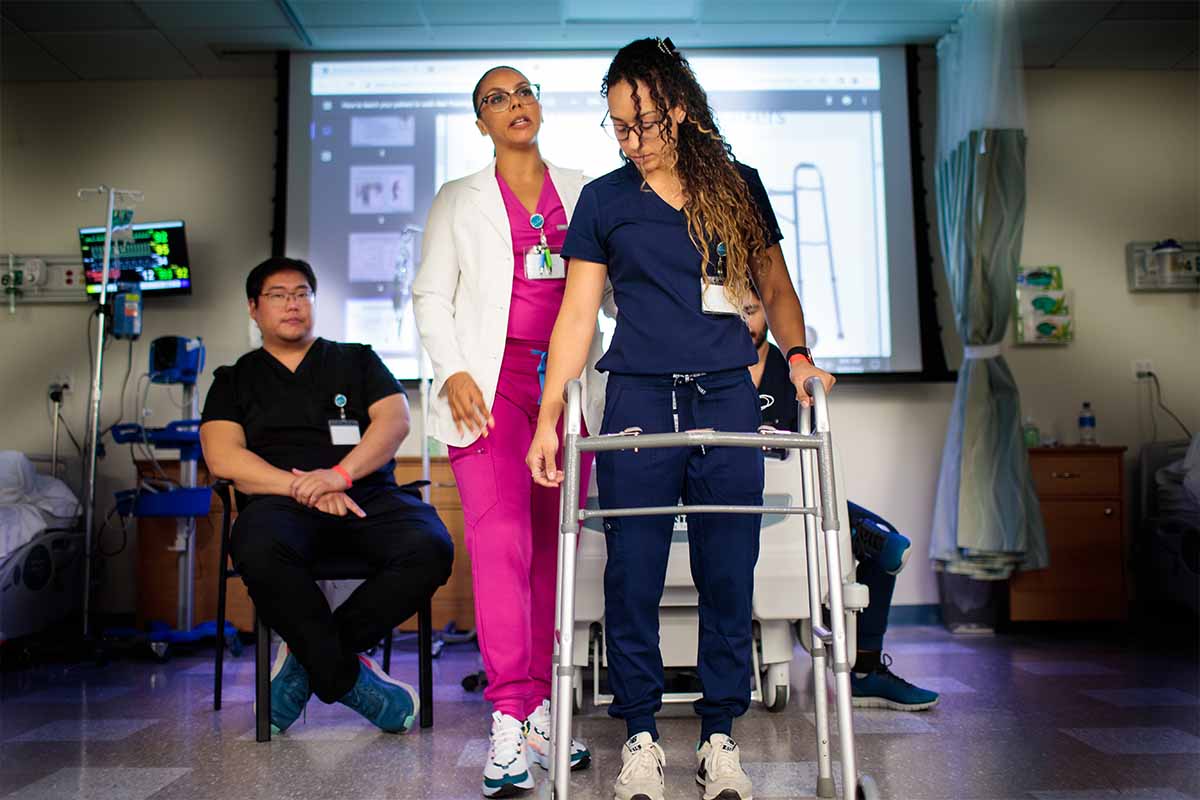
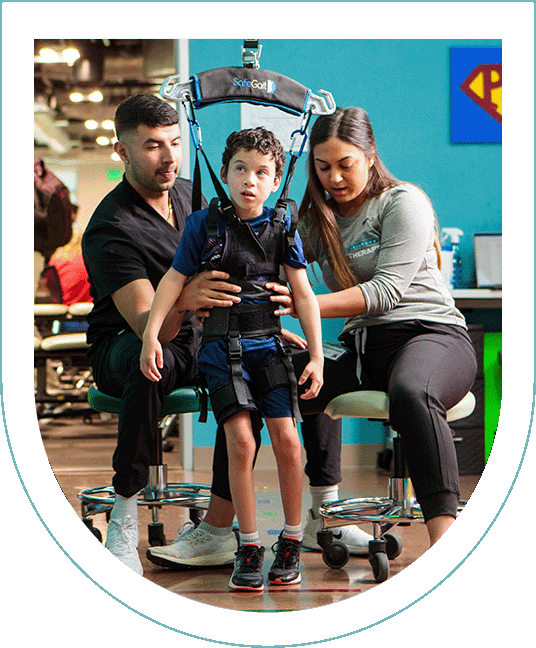
Physical therapists help injured individuals or those with illnesses improve their mobility and manage pain through exercises, stretching and hands-on therapy. Those interested in jobs that help people tend to gravitate to PT because they can help patients, whether elderly individuals, athletes or other individuals with mobility challenges, manage their pain, facilitate health and wellness and prevent further pain or injury.
3. Occupational Therapist4
Education: Master’s degree in occupational therapy, such as a Master of Occupational Therapy (MOT) or Doctor of Occupational Therapy (OTD) degree and state licensure.
Median salary: $98,340
Occupational therapists (OTs) assist individuals with injuries, illnesses or disabilities that impact their ability to perform daily activities. Occupational therapy is among the top jobs that help people. By improving their ability to complete occupations and offering home, school and workplace assessments and suggestions, OTs help increase patients’ independence.
4. Speech-Language Pathologist5
Education: Master’s degree (requirements for the USAHS MS-SLP program can be found here) and state licensure.
Median salary: $95,410
Speech-language pathology is among the most popular helping professions and treats those with speech, language, fluency and voice disorders, as well as those with difficulty swallowing.
An SLP is one of the best jobs to help people because their everyday responsibilities can positively impact an individual’s daily life. These may include:
- Evaluating the patient’s challenges with speech, language or swallowing
- Identifying goals for treatment
- Creating and implementing an individualized treatment plan
- Helping clients improve their vocabulary and sentence structure
- Teaching clients how to make sounds and improve their voices
Some SLPs work in schools, while others may work in hospitals, nursing facilities or other settings.
5. Social Worker6
Education: Bachelor’s or master’s degree and state licensure, depending on state requirements.
Median salary: $61,330
Social work is an ideal path for those seeking jobs that help people. It involves helping individuals, groups and families prevent and manage problems that arise in their everyday lives. Social workers help identify people and communities in need of help, assess the situation and respond to crises. This can include child abuse or being diagnosed with a terminal illness. They may also become involved with the community by assisting community organizations and policymakers in improving their social programs.
6. Mental Health Counselor7
Education: Master’s degree, a specified number of hours of supervised clinical experience and state licensure, depending on state requirements.
Median salary: $59,190
Mental health counselors provide advice and guidance for those who experience mental health disorders, such as depression, anxiety, stress and grief. They evaluate their clients and develop treatment plans that help their clients improve their well-being, making this a highly satisfying role for those seeking careers that involve helping people.
7. Teacher8
Education: Bachelor’s degree and state-issued certification or licensure.
Median salary: $62,310
Teachers instruct their students on basic subjects, including reading, science and math, to prepare them for future education. Teachers also instruct students on how to interact with others, communicate with parents/guardians about their child’s progress and act as someone that the child can come to for support. Teaching is one of the most powerful careers that help people because you can make an immediate impact on individuals and influence their future growth and development.
8. Public Health Professional9
Education: High school diploma or equivalent.
Median salary: $51,030
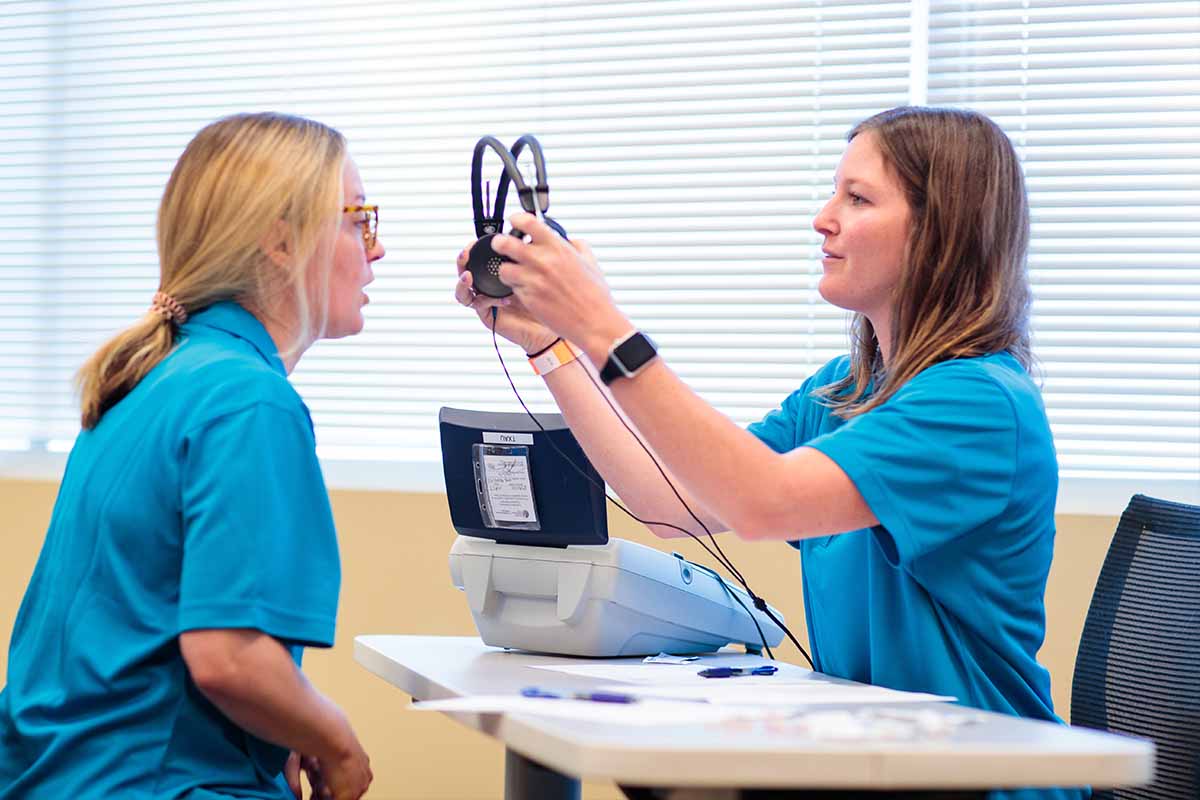
Public health professionals promote health within a community by helping individuals adopt healthy behaviors. Those in helping professions like this one also serve as advocates for the health needs of individuals by helping them communicate with healthcare providers. In some cases, public health professionals may deliver health-related preventive services, such as screenings for glaucoma, blood pressure and hearing.
9. EMT/Paramedic10
Education: Postsecondary education through an EMT or paramedic program.
Median salary: $41,340 (EMT) or $58,410 (Paramedic)
Paramedics and emergency medical technicians (EMTs) are highly fulfilling yet challenging jobs that involve helping people. They respond to emergencies, assess illnesses and injuries, provide emergency medical care, and transport patients to medical facilities if additional care is needed. Paramedics can provide more extensive prehospital care than EMTs, including administering a wider range of medications, managing airflow and interpreting EKGs.
10. Nonprofit Program Manager11
Education: Bachelor’s degree
Median salary: $100,750
If you’re looking for jobs that help people in the nonprofit/NGO sector, this could be the role for you. A nonprofit program manager coordinates the budget, staffing and schedule of programs intended to support public health. It’s their responsibility to ensure the program meets the needs of the community and to monitor the program to ensure it delivers key outcomes.
11. Community Outreach Coordinator12
Education: Bachelor’s degree
Median salary: $78,240
Community outreach coordinators plan and supervise programs and organizations that support the public’s well-being. They identify necessary programs, analyze data to determine the program’s effectiveness and plan outreach activities to increase awareness of the programs. These programs often focus on a specific demographic, such as children, older adults, veterans or those experiencing homelessness, which makes them an excellent choice among careers that help people if you’re looking to make an impact with a specific population.
12. Rehabilitation Specialist13
Education: Master’s degree
Median salary: $46,110
Rehabilitation specialists are among the top choices for individuals seeking jobs helping people. They work with individuals with disabilities to help them overcome or manage the personal, social and psychological effects of disabilities on independent living or employment.

How to Choose the Right Helping Profession for You
If your goal is to pursue a career helping people, there are several jobs to explore. To choose a career path, identify your strengths, personality traits and interests. This can help you decide which careers that help people are the most appealing to you. You should consider certification vs. degree pathways based on your timeline and goals, and plan for job growth, work-life balance and long-term stability when comparing helping professions.
To prepare for your career path, consider volunteering, interning or shadowing someone in the field. Not only will this provide you with valuable experience, but it can also help you determine the best jobs to help people.
USAHS offers many educational pathways for those interested in careers that help people. Don’t hesitate to request more information.
FAQs on Jobs Helping People
What career is best for helping people?
For those interested in assisting others, there are jobs that involve helping people in healthcare, education and public service. These can often allow you to help individuals manage their pain, recover from injury, cope with life-altering news or acquire essential skills.
What jobs can I do to help the community?
Various careers that help people offer the chance to directly impact their community, like community outreach coordinators or public health professionals, who lead health-focused initiatives and promote well-being at a local level.
What degree is best for helping people?
The degree needed to pursue jobs helping others depends on the field. Occupational therapists and speech-language pathologists, for example, both need a master’s degree. Meanwhile, EMTs and paramedics require postsecondary education.
Salary data may not reflect starting pay for recent graduates.
Sources
- “15 Best Jobs That Help People in 2025,” US News & World Report, 2025, https://money.usnews.com/careers/slideshows/the-best-jobs-that-help-people.
- “Registered Nurses,” Bureau of Labor Statistics, April 18, 2025, https://www.bls.gov/ooh/healthcare/registered-nurses.htm#tab-1
- “Physical Therapists,” Bureau of Labor Statistics, April 18, 2025, https://www.bls.gov/ooh/healthcare/physical-therapists.htm#tab-1.
- “Occupational Therapists,” Bureau of Labor Statistics, April 18, 2025, https://www.bls.gov/ooh/healthcare/occupational-therapists.htm#tab-1
- “Speech-Language Pathologists,” Bureau of Labor Statistics, April 18, 2025, https://www.bls.gov/ooh/healthcare/speech-language-pathologists.htm#tab-1.
- “Social Workers,” Bureau of Labor Statistics, April 18, 2025, https://www.bls.gov/ooh/community-and-social-service/social-workers.htm#tab-1.
- “Substance Abuse, Behavioral Disorder, and Mental Health Counselors,” Bureau of Labor Statistics, 2025, https://www.bls.gov/ooh/community-and-social-service/substance-abuse-behavioral-disorder-and-mental-health-counselors.htm#tab-1.
- “Kindergarten and Elementary School Teachers,” Bureau of Labor Statistics, April 18, 2025, https://www.bls.gov/ooh/education-training-and-library/kindergarten-and-elementary-school-teachers.htm#tab-1.
- “Community Health Workers,” Bureau of Labor Statistics, April 18, 2025, https://www.bls.gov/ooh/community-and-social-service/community-health-workers.htm.
- “EMTs and Paramedics,” Bureau of Labor Statistics, April 18, 2025, https://www.bls.gov/ooh/healthcare/emts-and-paramedics.htm#tab-1.
- “Project Management Specialists,” Bureau of Labor Statistics, April 18, 2025, https://www.bls.gov/ooh/business-and-financial/project-management-specialists.htm#tab-1.
- “Social and Community Service Managers,” Bureau of Labor Statistics, April 18, 2025, https://www.bls.gov/ooh/management/social-and-community-service-managers.htm#tab-1.
- “Rehabilitation Counselors,” Bureau of Labor Statistics, April 18, 2025, https://www.bls.gov/ooh/community-and-social-service/rehabilitation-counselors.htm.