
Orthopedic physical therapy focuses on treating musculoskeletal injuries, pain and movement limitations, making it a vital specialty for helping people regain function and improve quality of life.1,2
As demand continues to rise, employment for physical therapists (PTs) is projected to grow by 11% from 2024 to 2034, creating thousands of job openings each year.3 To meet this need and support specialized training, programs such as the Doctor of Physical Therapy (DPT) and Clinical Orthopedic Residency at the University of St. Augustine for Health Sciences (USAHS) prepare students and practicing clinicians for successful careers in orthopedic-focused care.
Physical therapists (PTs) help individuals improve their movement, manage pain and recover from injury, illness or surgery through exercise, hands-on care and education. Orthopedic physical therapy is one of the most widely practiced specialty areas in the profession, supported by APTA Orthopedics, the largest section within the American Physical Therapy Association (APTA).1
What is the difference between orthopedic vs physical therapy? Orthopedic PT focuses on the musculoskeletal system, which includes bones, joints, muscles, ligaments and tendons.
Let’s review what orthopedic PTs do, the current career outlook, salary information, specialty pathways, such as residencies, and how USAHS PT programs can support students pursuing this career.
What Is Orthopedic Physical Therapy?
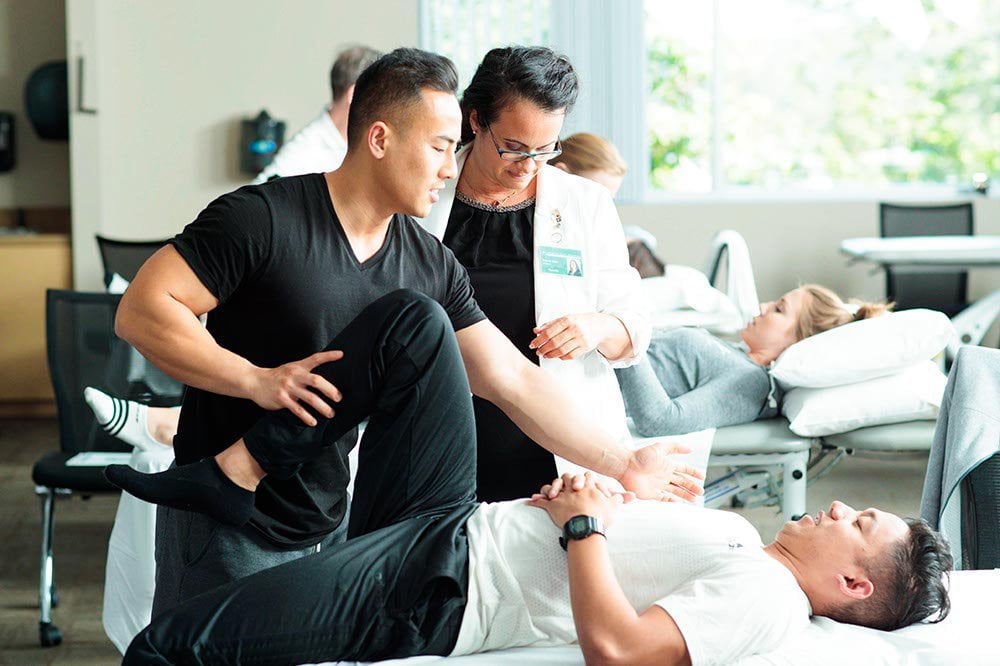
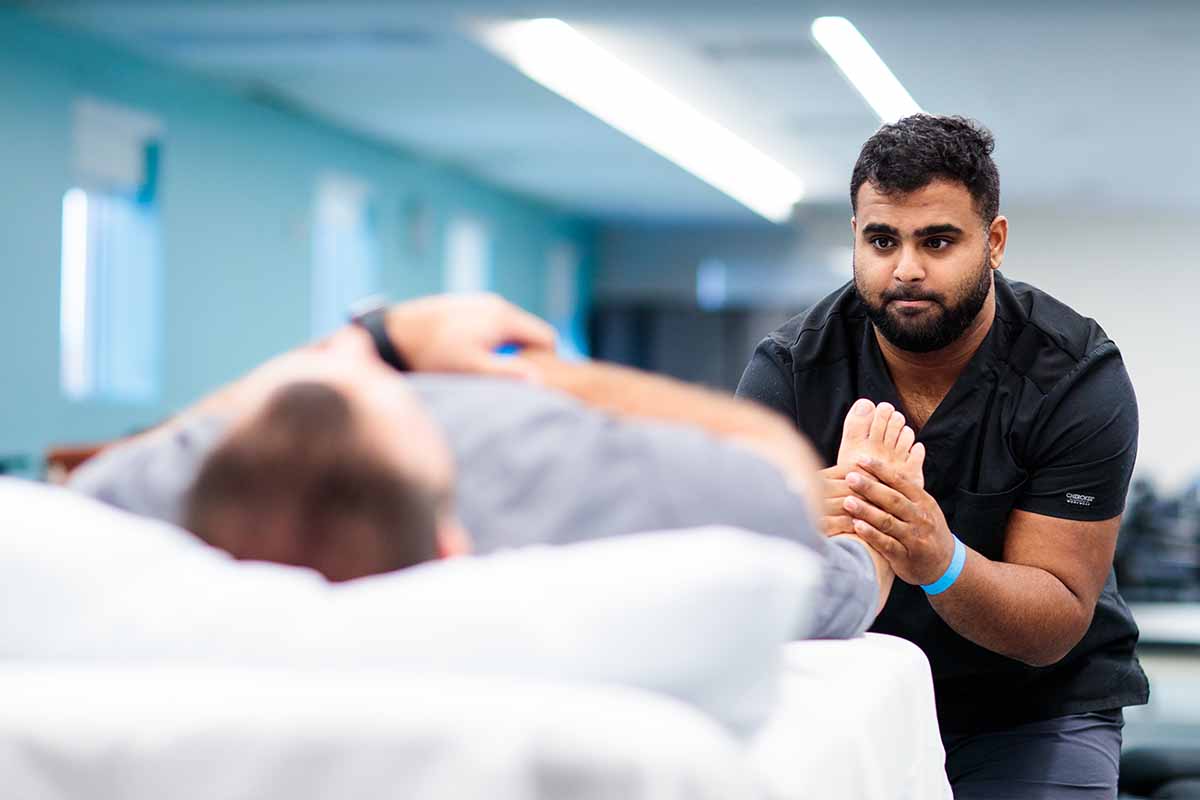
Orthopedic PT involves the evaluation and treatment of musculoskeletal pain, movement limitations and functional problems affecting areas like the spine, shoulder, hip, knee, foot, ankle and upper extremity.2 Orthopedic PTs help patients regain strength, mobility and function through therapeutic exercise, manual therapy techniques, education and activity modification.
Common patient conditions include postoperative rehabilitation after procedures such as joint replacement, anterior cruciate ligament (ACL) reconstruction or rotator cuff repair. Orthopedic PTs also treat overuse injuries and sports injuries, like tendinopathies, sprains and muscle strains. Chronic musculoskeletal conditions, osteoarthritis, low back pain and neck pain, for example, also make up a large portion of orthopedic PT practice.2
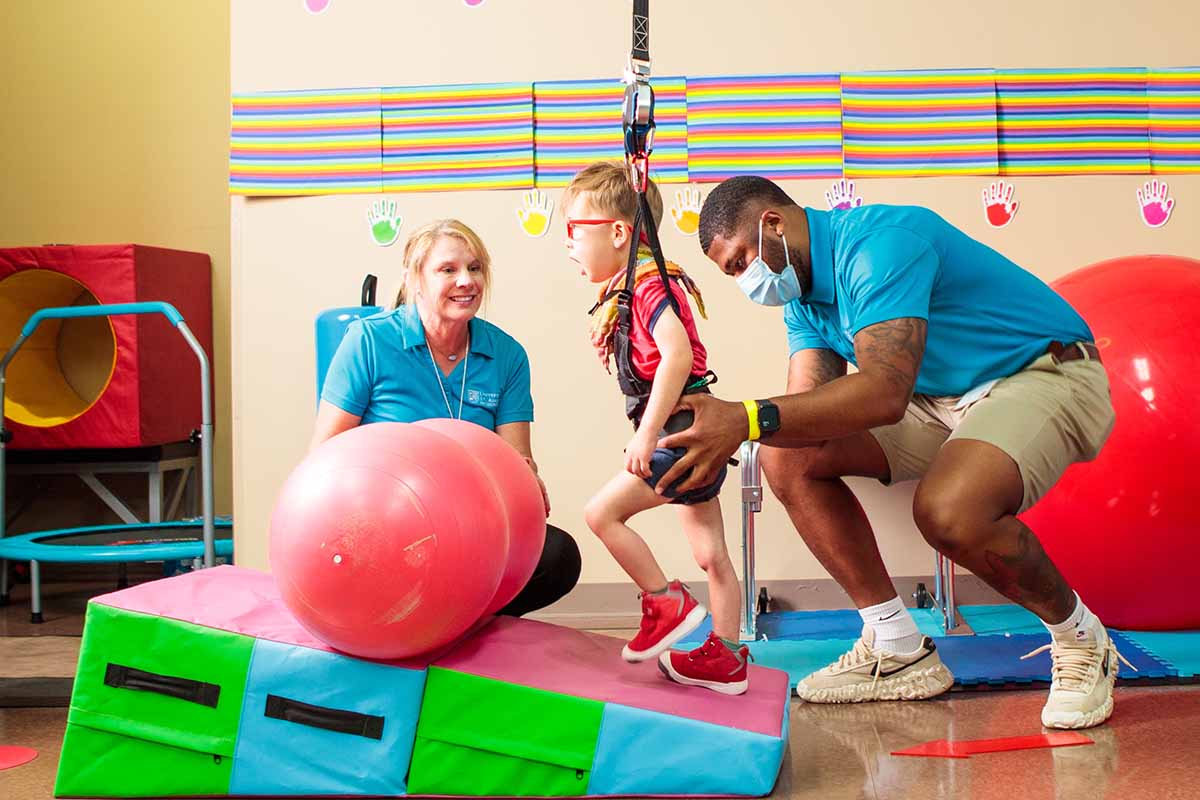
Orthopedic care typically focuses on long-term improvement, rather than short-term symptom relief alone. PTs work with patients to rebuild their strength, improve joint mobility, retrain movement and reduce the risk of future injury. Since musculoskeletal issues can affect people at any age, orthopedic PTs often treat a diverse patient population ranging from young athletes to older adults recovering from surgery or managing degenerative joint conditions.
Orthopedic PT Career Outlook at a Glance
The broader PT profession continues to show steady demand. According to the Bureau of Labor Statistics (BLS), employment of PTs is projected to grow 11% between 2024 and 2034, compared to approximately 3% growth for all other occupations.3 This projection reflects the increasing need for rehabilitation services to support aging populations, manage chronic conditions and aid in injury recovery.
The BLS also estimates approximately 13,200 openings for PTs each year on average, many of which are expected to result from workforce turnover, retirement and career transitions. 4
Drivers of Orthopedic PT Demand
Several healthcare trends contribute to the demand for orthopedic PT services. An aging population means a higher number of individuals undergoing hip, knee and spine surgeries, as well as an increase in those living with degenerative joint conditions like osteoarthritis.4 Post-surgical rehabilitation and chronic musculoskeletal care both rely heavily on PT.
Another factor is rising participation in recreational and competitive sports across all age groups, which contributes to sports-related injuries and overuse conditions that require rehabilitation. Increased awareness of the benefits of conservative, non-surgical treatment also drives referrals to PT for musculoskeletal pain management before surgery or medication-based treatment.4
Orthopedic Physical Therapy Work Settings
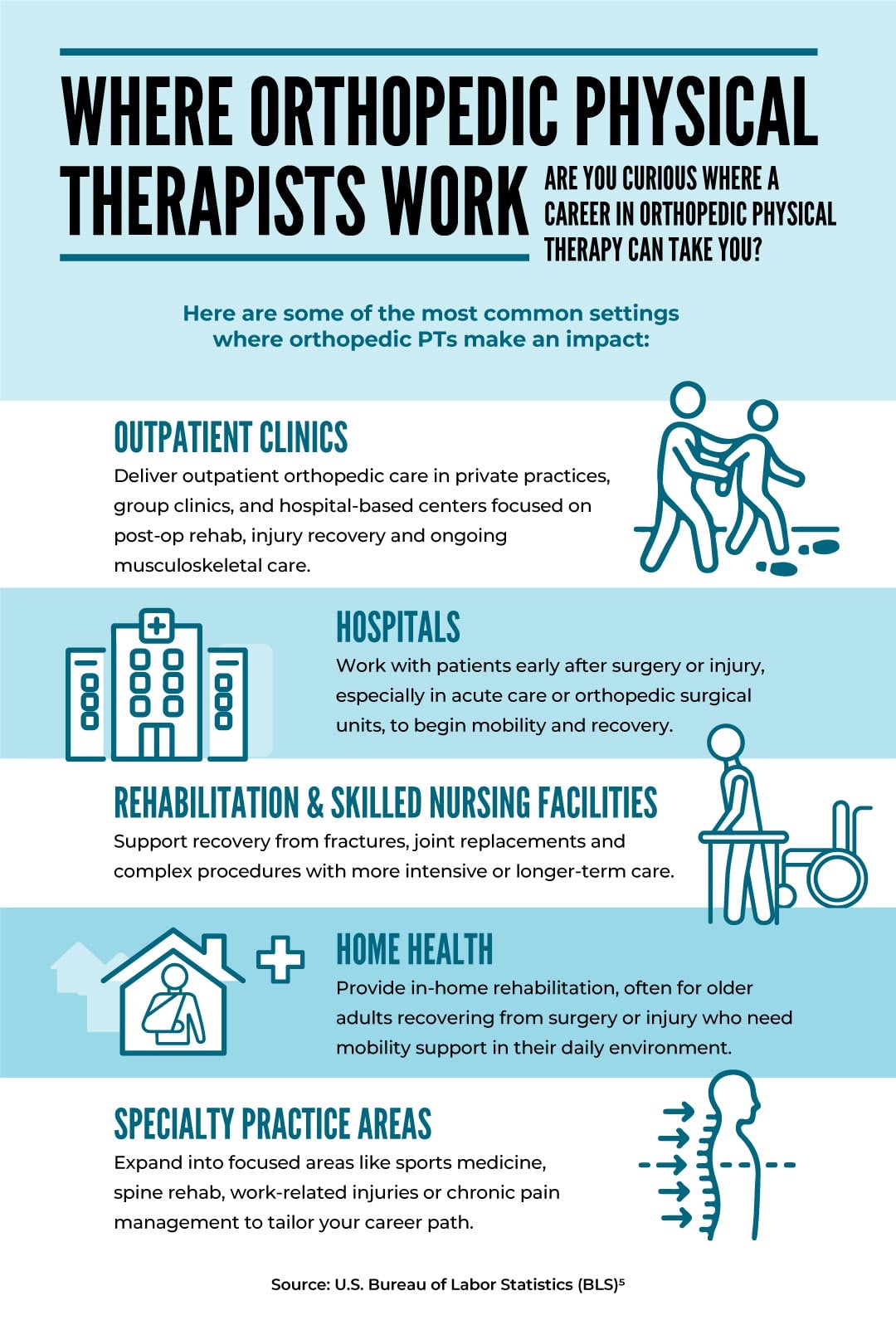
Are you wondering what types of orthopedic physical therapy jobs you might pursue? Orthopedic PTs typically practice orthopedic physical therapy in outpatient orthopedic or sports rehabilitation clinics, which can include private practices, group practices or hospital-based centers.5 These settings focus heavily on post-operative rehabilitation, injury recovery and ongoing musculoskeletal care.
Hospitals employ orthopedic PTs too, particularly in acute care or orthopedic surgical units where patients receive early rehabilitation after surgery or injury. Rehabilitation hospitals and skilled nursing facilities are another common practice setting, especially for individuals recovering from fractures, joint replacements or complex orthopedic procedures.3
Home health is another practice environment where orthopedic PTs support patients after joint replacement surgery or fractures, particularly older adults who require mobility rehabilitation within their home environment.5 Within orthopedic practice, clinicians often expand to additional areas over time.
Some PTs specialize in sports medicine and athletic performance, while others focus on spine rehabilitation, occupational or work-related injuries or chronic musculoskeletal pain management. These niche practice areas allow orthopedic PTs to tailor their expertise to specific patient populations or clinical interests.
Salary and Earning Potential in Orthopedic Physical Therapy
Salary benchmarks for orthopedic physical therapists generally follow broader PT wage data since national surveys don’t separate orthopedic specialists into their own category. According to the BLS, the median annual wage for PTs is $101,020 as of May 2024.3 The highest-earning 10% of PTs earned more than approximately $132,500, while the lowest 10% earned less than around $74,420.6
Compensation may vary based on location, years of experience, work setting and employer. Hospitals and private outpatient clinics often report higher median wages than offices of physical, occupational and speech therapists, and audiologists. Home health, nursing and residential care facilities frequently report some of the highest median wages in the profession.6
Payscale reports that an Orthopedic Clinical Specialist (OCS) earns an average base orthopedic physical therapy salary of approximately $81,093, but actual compensation varies by employer, region and experience level.7*
How USAHS Supports Orthopedic Physical Therapy Career Paths
USAHS offers multiple learning pathways designed to support orthopedic PT career development from entry-level training to advanced specialization.
Entry-Level Preparation
At USAHS, we have three Doctor of Physical Therapy (DPT) pathways: Residential, Hybrid Immersion and Flex, allowing students to choose the learning format that best fits their schedule while earning an accredited DPT degree.
Our DPT pathways include:
- Residential DPT: A campus-based experience with weekday classes, hands-on labs and in-person skill development supported by some online coursework.
- Hybrid Immersion: Includes online coursework, live virtual weekday sessions and two on-campus lab immersions per term.
- Flex DPT: Built for students who need more weekday flexibility, this format combines online coursework with live virtual evening/weekend sessions and on-campus labs on select weekends so you can keep moving toward your DPT with a schedule that works for you.
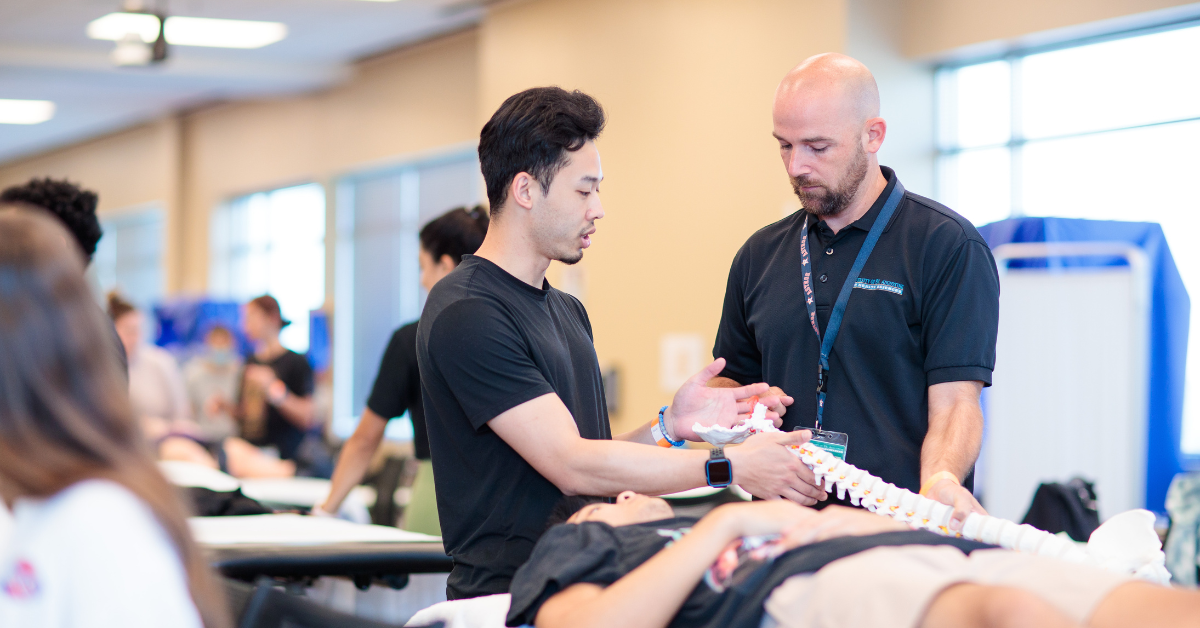
Students gain hands-on experience through immersive labs, simulation centers and Pro Bono Clinics that introduce musculoskeletal assessment and rehabilitation early in the curriculum.
Physical therapy electives and micro-credentials in areas like Orthopedic Manual Physical Therapy (OMPT) and Sports Therapy enable students to tailor their education toward orthopedic-focused practice even before graduation. These focused learning opportunities help students build specialized knowledge and skills that align with musculoskeletal care settings.
Post-Professional Development
For clinicians wanting to develop advanced orthopedic expertise, the USAHS Clinical Orthopedic Residency offers a structured pathway for post-professional development. The residency emphasizes mentored patient care, evidence-based practice and preparation for the OCS certification exam. Mentorship and advanced clinical exposure help residents expand their clinical reasoning and treatment skills.
Community and Legacy
USAHS has a professional community that includes more than 350 physical therapy faculty-practitioner members across 35 PT specialties** and over 10,000 PT alumni, the largest community of PT alumni.*** This professional community can bring opportunities for mentorship, collaboration and career development for students pursuing orthopedic PT careers.
Is Orthopedic Physical Therapy a Good Career?
Orthopedic physical therapy is part of a profession projected to grow 11% between 2024 and 2034, reflecting ongoing demand for rehabilitation services for aging adults, individuals recovering from surgery and those with active lifestyles.3 Since musculoskeletal injuries and pain can affect individuals across the lifespan, orthopedic PTs remain essential in healthcare systems.
For students interested in musculoskeletal health, sports rehabilitation and helping people return to daily activities, orthopedic PT is a great option. Pathways like our DPT program and Clinical Orthopedic Residency help PTs advance in the profession and build orthopedic expertise in preparation for a rewarding orthopedic physical therapy career.
FAQs
Is orthopedic physical therapy in high demand?
Yes. Orthopedic PT is a part of the broader PT profession, which the BLS projects will grow 11% from 2024 to 2034, with thousands of job openings each year.3 Since orthopedic conditions like joint injuries, post-surgical recovery and chronic musculoskeletal pain are common, many healthcare settings continue to require orthopedic-focused rehabilitation services.
Do I need an OCS to work as an orthopedic PT?
No. You don’t need the OCS credential to practice as an orthopedic PT. Licensed PTs can treat musculoskeletal conditions without specialty certification. However, obtaining OCS certification can demonstrate advanced expertise and support career advancement opportunities for orthopedic PTs.7
What’s the difference between orthopedic PT and orthopedic manual PT?
Orthopedic PT focuses on the treatment of musculoskeletal conditions through exercise, movement training and rehabilitation strategies. Orthopedic manual PT represents a more specialized subset of orthopedic care that focuses on advanced, hands-on techniques like joint mobilization, manipulation and soft tissue interventions.
Salary data may not reflect starting pay for recent graduates.
*The information provided on this website is based on self-reported data and is intended for general informational purposes only. Payscale is a limited data source that relies on voluntary submissions from individuals and employers. Please be aware that the accuracy, completeness and reliability of the data may vary due to its voluntary nature and limited scope. While efforts are made to maintain the data’s accuracy, we cannot guarantee its absolute correctness or currency.
**Data current as of August 2025
***Based on total DPT degrees conferred during 2020-2023 as reported by the Integrated Postsecondary Education Data System (IPEDS). Data is captured by IPEDS through interrelated surveys conducted annually by the Department of Education’s National Center for Educational Statistics (NCES) and from USAHS’ internal graduation data.
References:
- “The APTA Orthopedics (previously AOPT) welcomes you,” APTA Orthopedics, An Academy of the American Physical Therapy Association (APTA), https://www.orthopt.org/.
- American Physical Therapy Association. “What Is Orthopedic Physical Therapy?,” ChoosePT, American Physical Therapy Association (APTA), July 9, 2024, https://www.choosept.com/why-physical-therapy/specialty-areas-physical-therapy/orthopedic-physical-therapy.
- “Physical Therapists: Occupational Outlook Handbook,” U.S. Bureau of Labor Statistics (BLS), August 28, 2025. https://www.bls.gov/ooh/healthcare/physical-therapists.htm.
- “Physical Therapists: Occupational Outlook Handbook,” Job Outlook, U.S. Bureau of Labor Statistics (BLS), August 28, 2025, https://www.bls.gov/ooh/healthcare/physical-therapists.htm#tab-6.
- “Occupational Employment and Wages, May 2023,” U.S. Bureau of Labor Statistics (BLS), April 3, 2024, https://www.bls.gov/oes/2023/may/oes291123.htm#ind.
- “Physical Therapists: Occupational Outlook Handbook, Pay,” U.S. Bureau of Labor Statistics (BLS), August 28, 2025, https://www.bls.gov/ooh/healthcare/physical-therapists.htm#tab-5.
- “Physical Therapist (PT) Salary: Orthopedics,” Payscale, 2025. https://www.payscale.com/research/US/Job=Physical_Therapist_(PT)/Salary/d08e9154/Orthopedics.