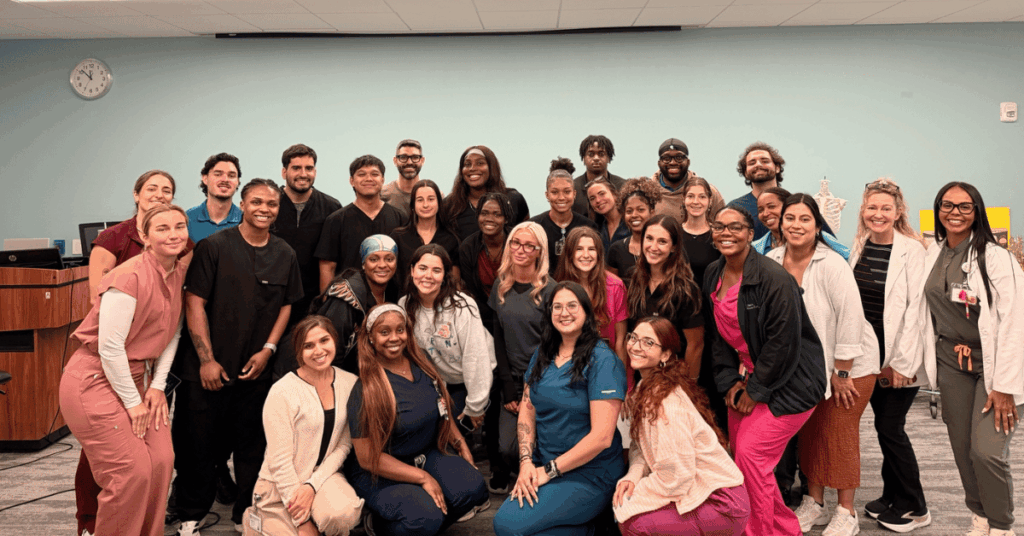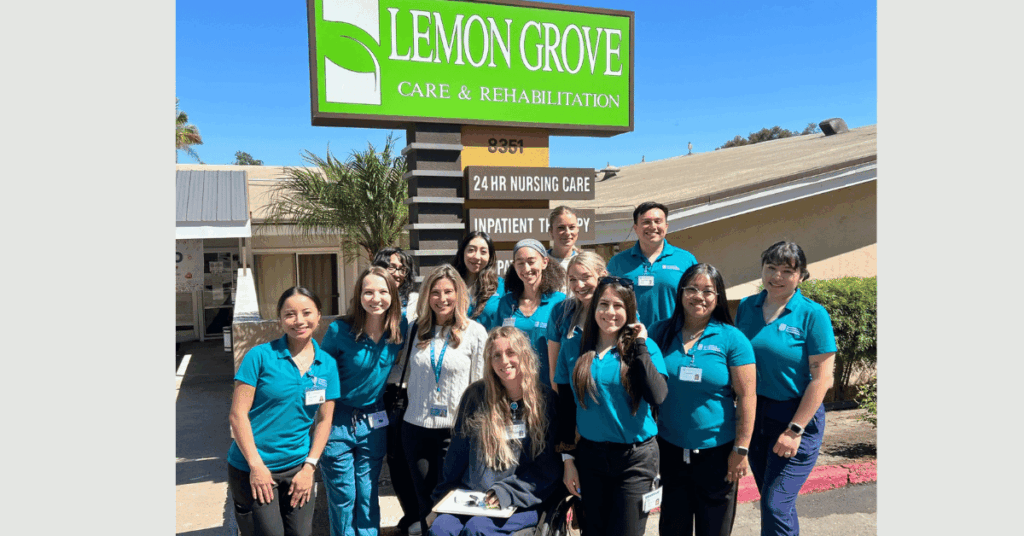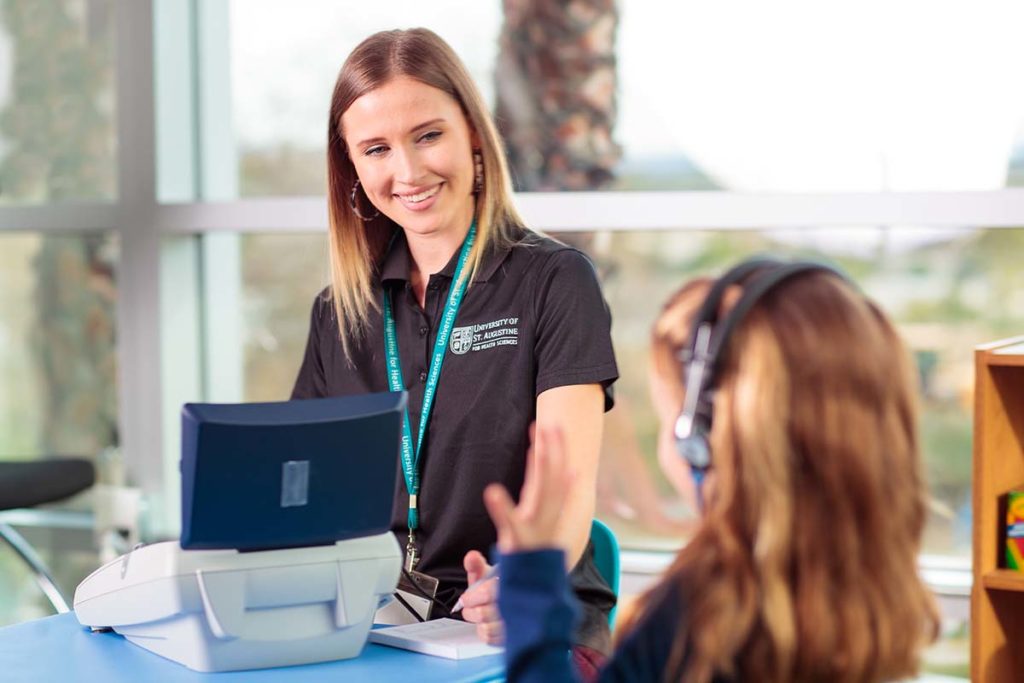

The USAHS Miami Pediatric Special Interest Group, a graduate student organization made up of physical therapy and occupational therapy students, is expanding access to pediatric mobility, adaptive play, and assistive technology through partnerships with MakeGood and the university library.
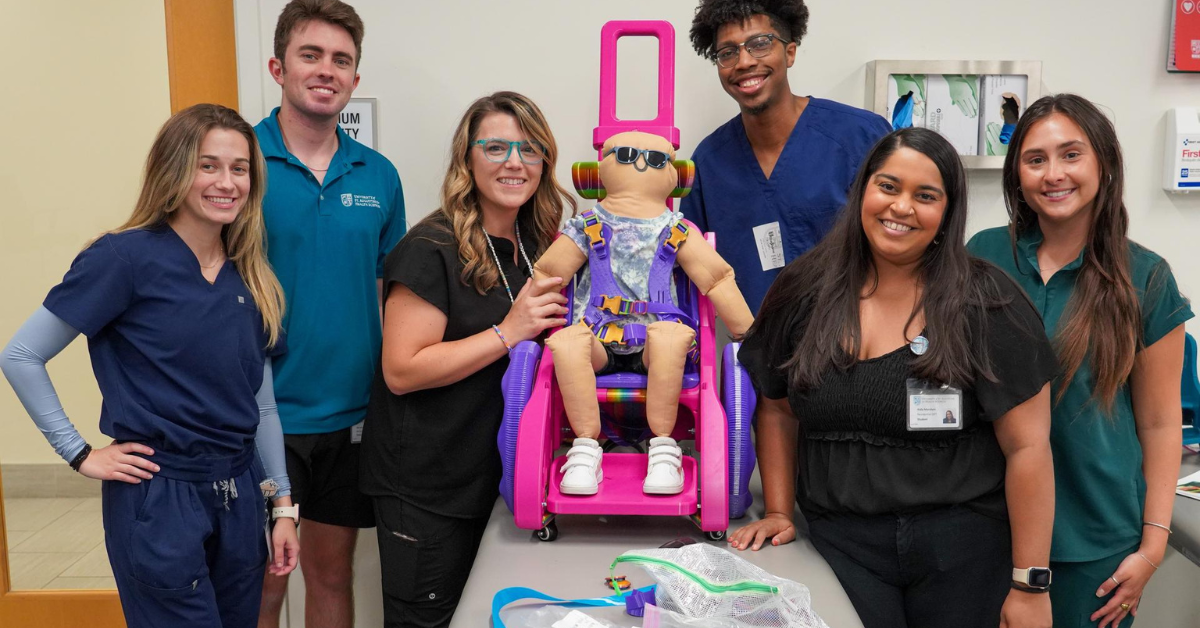
As a vetted maker within the MakeGood program, Dr. Rosie DeFeo is leading the Miami campus Pediatric Special Interest Group in helping bring low-cost, customized mobility solutions to children and families in need. Through this partnership, PT and OT students are working together to 3D print child-sized mobility devices designed to support young children who need assistance with early independent movement. These devices provide children with opportunities to explore their environments, interact with peers, participate in play, and develop foundational mobility skills.
This work is strengthened by collaboration with the university library and the university’s broader innovation focus, which has expanded access to 3D printing technology, including newly acquired printers. By increasing access to 3D printing resources, the university is helping students move from ideas to tangible solutions that address real clinical and community needs. The library’s support provides faculty and students with access to equipment, space, and innovation resources that allow them to design, print, modify, and refine adaptive tools for children and families.
The initiative reflects a strong commitment to service learning, interprofessional collaboration, innovation, and community engagement. Physical therapy students contribute knowledge related to mobility, posture, developmental movement, and functional participation. Together, students are applying classroom knowledge to real-world needs while developing hands-on skills in assistive technology, adaptive design, pediatric rehabilitation, and community-based problem solving.
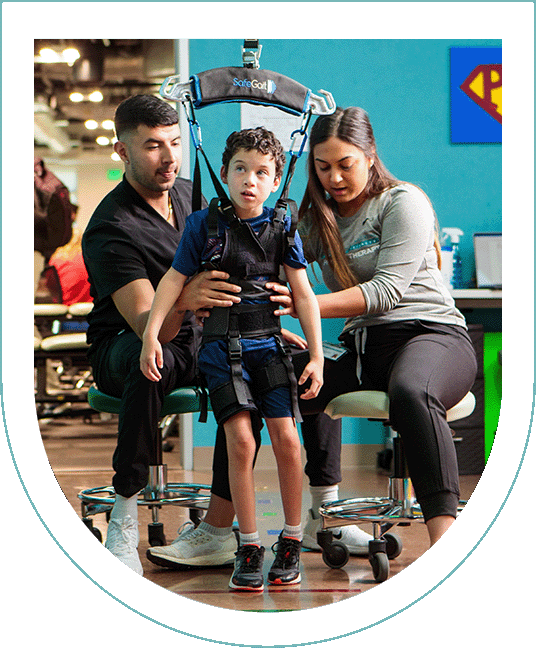
The Miami campus Pediatric Special Interest Group has created and delivered five 3D-printed wheelchairs over the summer term. The group also supports customized ride-on cars through Go Baby Go, creates 3D-printed switches and adaptive switch toys, and runs a lending library of switch-adapted toys to children within the local community.
“Play is powerful,” said Dr. DeFeo. “For children, play is how they explore, communicate, learn, move, connect, and participate in the world around them. When we adapt toys and create mobility devices, we are not simply modifying equipment, we are opening doors to independence, inclusion, and joy.”
The Miami campus Pediatric Special Interest Group plans to continue growing the project alongside the university library services by increasing student involvement, strengthening community partnerships, and expanding access to 3D printing for adaptive mobility and play-based technology.