Leading Physical Therapy Programs

Doctor of Physical Therapy (DPT) Program

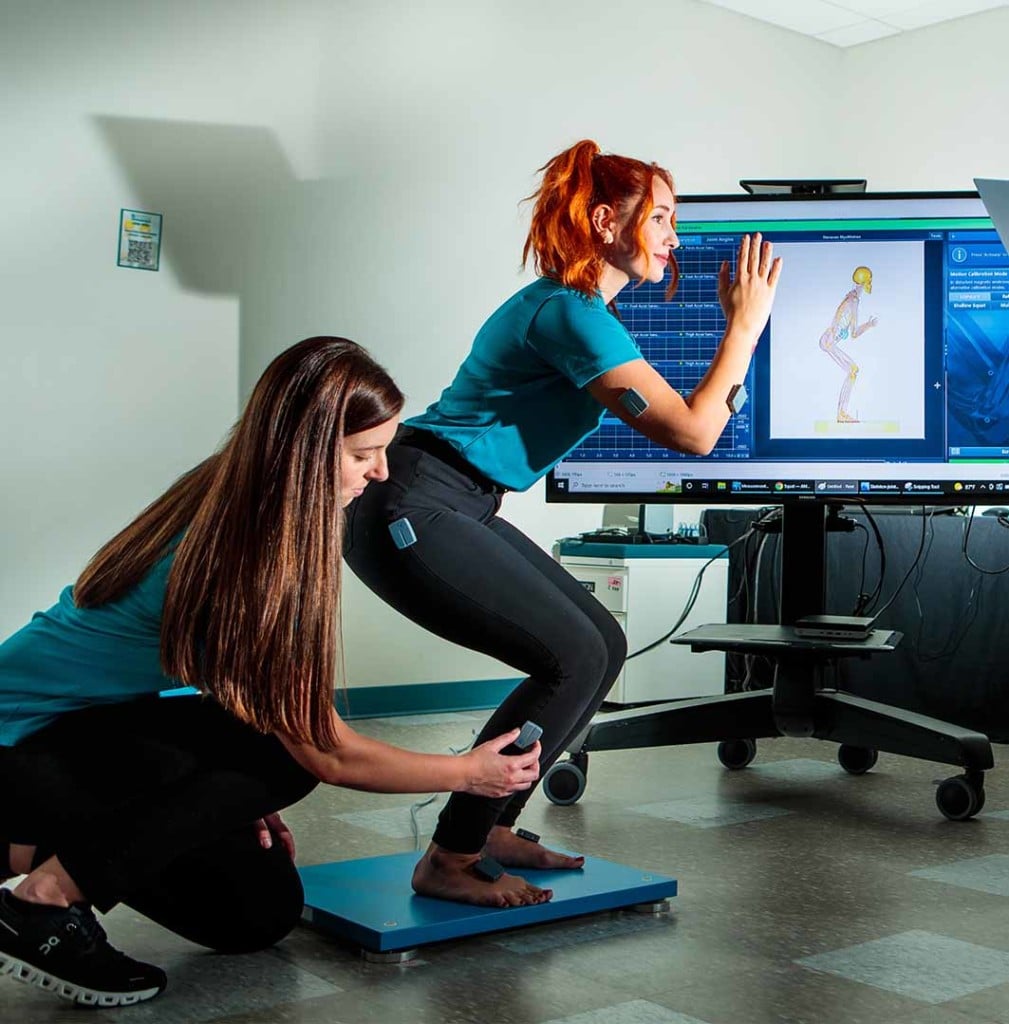
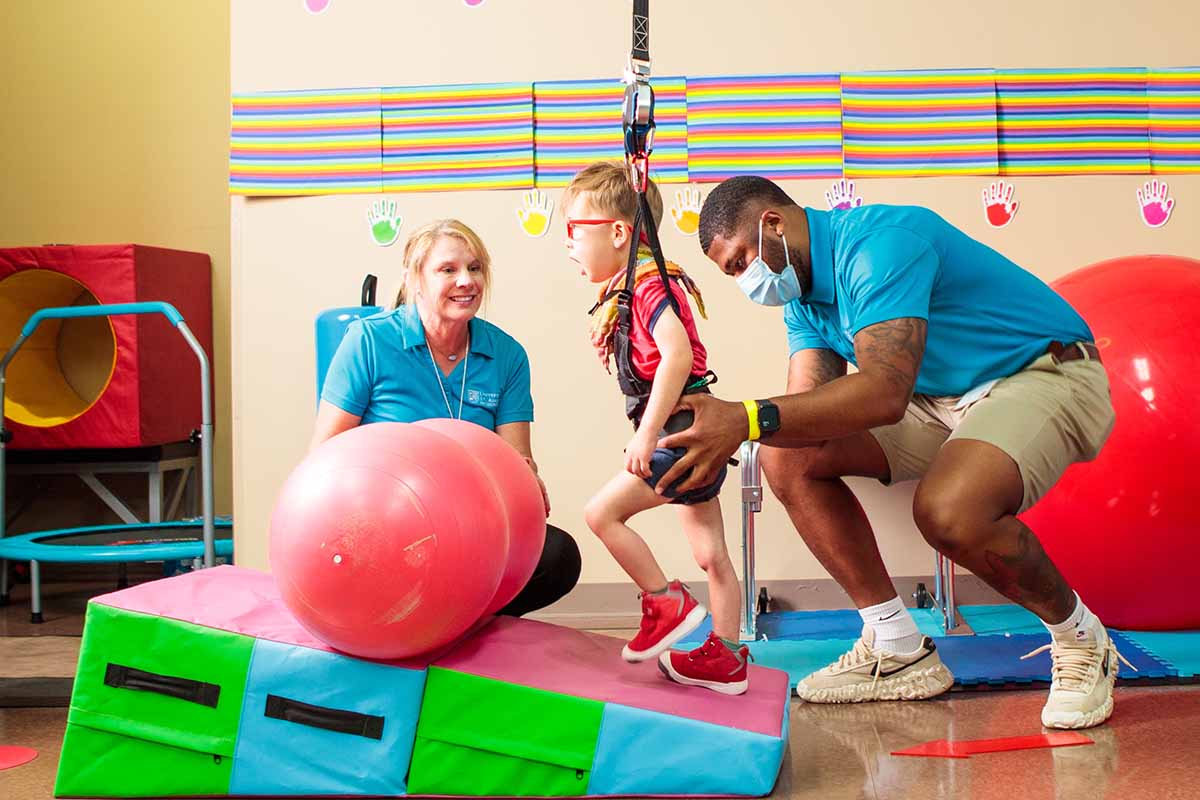
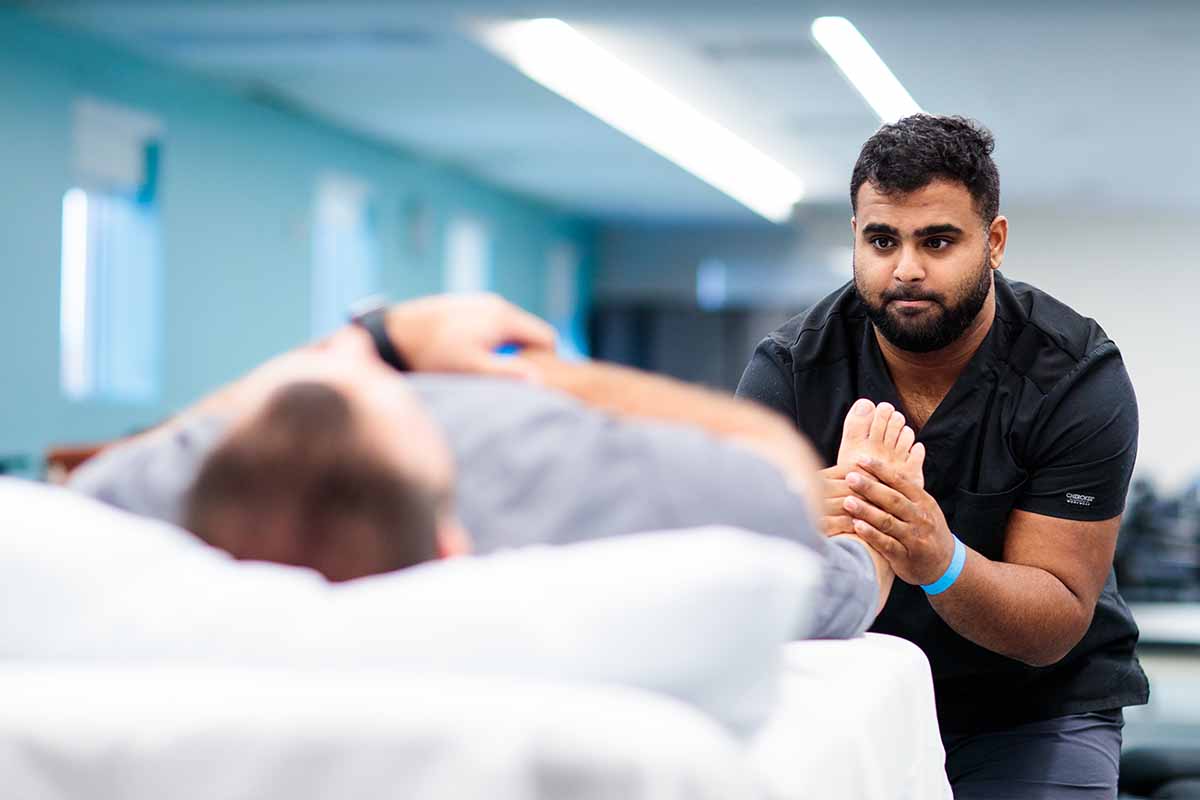
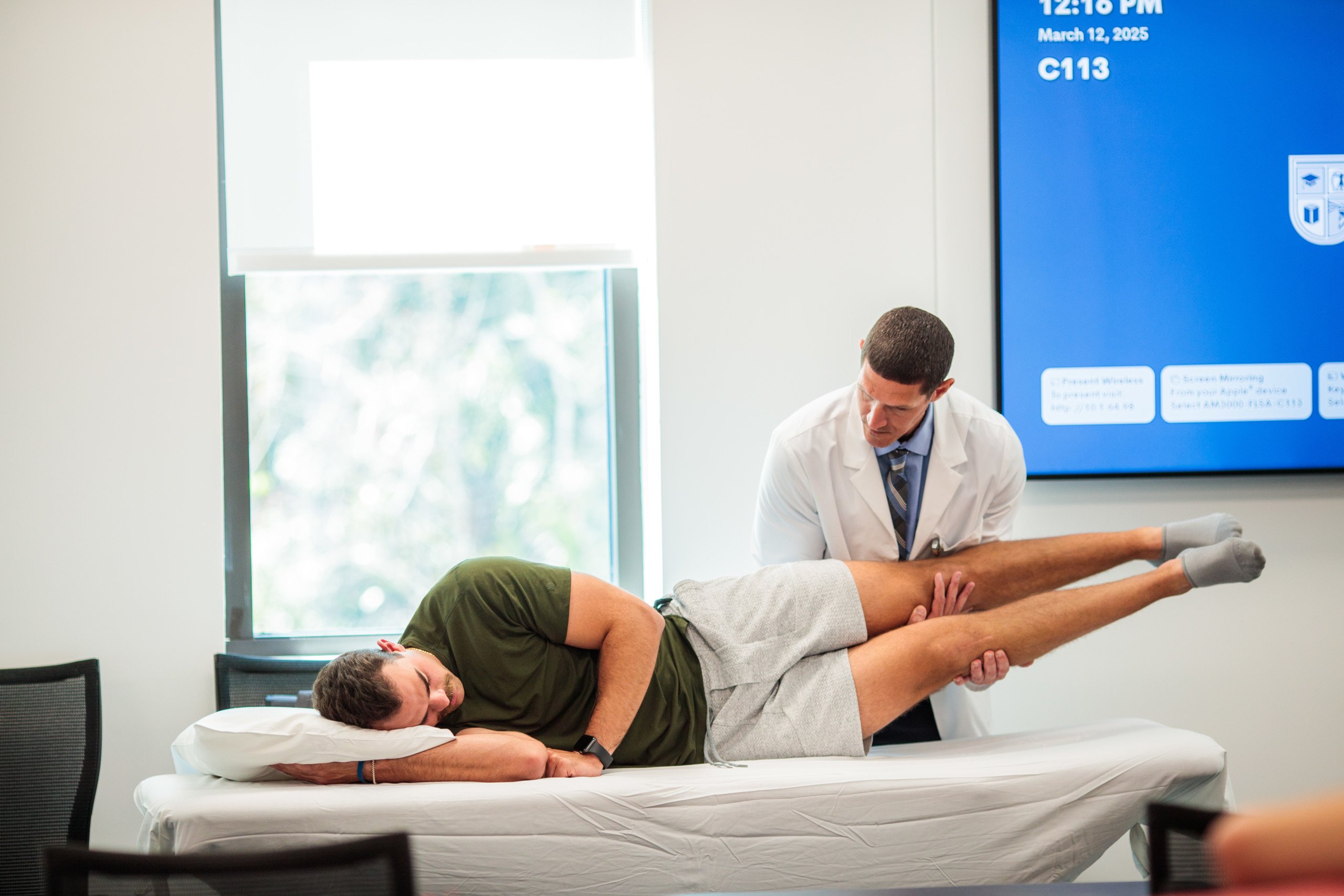
We believe in the power of innovation and outcome-focused learning. Accelerate your career with our shorter DPT program. From day one, you’ll dive into hands-on experiences, advanced simulations with leading-edge technology and in-person or online advanced coursework. Explore areas that inspire you through electives. Earn your DPT degree through one of three pathways that align with your life and aspirations.
Make an immediate impact in your community by applying your skills in the service of others via pro bono clinics and with our clinical partners. Guided by our expert faculty—practicing clinicians who treat you like a future colleague—you’ll graduate equipped to launch your career as a skilled, innovative physical therapist.

Learn more about our pathways to a DPT degree below.

See Requirements & Program Details
Learn About What Sets the USAHS DPT Apart

More than a DPT curriculum. Electives aligned to your goals.

Earn micro-credentials to stand out for what's next in your career.

Explore DPT Electives

DPT Program at a Glance

Campuses: San Marcos, CA | St. Augustine, FL | Miami, FL | Austin, TX | Dallas, TX

Format: On-Campus Weekday Classes and Labs + Some Online Coursework

Start Dates: Three to Choose From: Sept., Jan., May The Dallas campus only offers the Residential DPT program in Sept. of each year

Duration: 2.3 years (7 trimesters)*

Campuses: San Marcos, CA | Miami, FL | Dallas, TX

Format: Online Coursework, Live Virtual Weekday Sessions + 2 On-Campus Lab Immersions Per Term*

Start Dates: Sept., Jan., May Sept start: San Marcos, CA; ​ Jan 2026 start: Miami, FL; ​ May 2026 start: Dallas, TX​

Duration: 2.3 years (7 trimesters)**

Campuses: San Marcos, CA | St. Augustine, FL | Austin, TX

Format: Online Coursework, Live Virtual Evening/Weekend Sessions + On-Campus Labs on Select Weekends

Start Dates: Start Dates Vary by Campus

Duration: 3 years (9 trimesters)*

*Each of the first four trimesters includes two on-campus immersive learning experiences, following an initial orientation held on campus before the program begins.

**Program designed to be completed in this time frame. Time to completion may vary by student, depending on individual progress, credits transferred and other factors.

PT SCHOLARSHIPS

USAHS offers scholarships for our Doctor of Physical Therapy program to recognize outstanding academic achievement.

Facts and Figures

faculty-icon

350+

Faculty
with expertise in 35 PT Specialties Data current as of August 2025

graduation-cap-icon

10,000+

PT Alumni.
Largest community of PT alumni. Based on total DPT degrees conferred during 2020-2023 as reported by the Integrated Postsecondary Education Data System (IPEDS). Data is captured by IPEDS through interrelated surveys conducted annually by the Department of Education’s National Center for Educational Statistics (NCES) and from USAHS’ internal graduation data.

PT-pro-bono-icon

5

Campus Locations
with Centers for Innovative Clinical Practice and pro bono clinical experiences

calendar icon

3

Start dates per year (varies by campus and format)

Why USAHS for your Doctor of Physical Therapy

Hands-on Practice from Day One
Build skills and confidence through experiential learning in our Centers for Innovative Clinical Practice (CICP)—simulated hospital and home environments using real medical equipment and EdTech—preparing you for clinical placements in dedicated rehab-focused settings. Explore Simulaton Labs Explore Pro Bono
Electives for Degree Personalization
Enhance your skills and career readiness with electives and micro-credentials including Sports Therapy, Neurology, Pelvic Health, Manual Therapy, and Business Leadership.
Explore DPT Electives
Leading Faculty
Our 350+ expert PT faculty bring real-world clinical experience across 35 specialties to shape our curriculum, treat patients, publish research, and lead professional organizations. See Faculty
Leader in Innovation
USAHS leads in innovation with a robust student-centered curriculum that integrates the latest in ed-tech and rehab technologies with hands-on learning, advanced simulations and interprofessional collaboration. Play Video Learn More
Career Connections
We are proud of our national community of more than 10,000 accomplished alumni. Your collaborative relationship with faculty, alumni and peers-the connections you make during clinical experiences-can help you launch your career. See Alumni
Leader in Health Sciences Education
USAHS has been dedicated solely to graduate education in health sciences for more than 40 years. Join our community of like-minded faculty leaders and students on our mission to transform lives and lead the profession. See History

DPT Curriculum

The DPT integrated curriculum is delivered in 7 trimesters for the Residential pathway and 9 trimesters for Flex.  The Hybrid Immersion pathway will be delivered in 7 trimesters. Highlights include: innovative immersive lab experiences where students integrate and apply learnings from coursework to refine clinical skills, clinical simulations, pro bono clinical experiences and faculty mentoring. A newly designed Integrated Foundational Science course covers anatomy, physiology, neuroscience and biomechanics. Students can choose from electives in Sports Therapy, Neurology, Pelvic Health, Manual Therapy, and Business Leadership, enabling them to develop specialized skills and earn micro-credentials that enhance their career opportunities. For the Hybrid Immersion pathway, there are a total of 9 on-campus immersive learning experiences that will take place in trimesters 1-4. There are three on-campus learning experiences in trimester 1 and two on-campus learning experiences in trimesters 2, 3 and 4. For the Flex pathway, there are 7-9 on-campus immersive learning experiences each term that take place in trimesters 1-6.

Residential DPT (San Marcos, CA; St. Augustine and Miami, FL; Austin, TX; Dallas, TX) and
Hybrid Immersion DPT (San Marcos, CA;​ Miami, FL; Dallas, TX) Curriculum

CoursesHours
Curriculum – For Students Starting Fall 2025 and After
Effective with the start of the Summer 2026 Term, students complete 15-week courses (Term A) as well as 7.5-week courses occurring in the first part of the trimester (Subterm D) and in the second part of the trimester (Subterm E) with the exception of Trimester 3 in which all courses occur in Term A. 
Trimester 1
Term A
PHT 5117C - Integrated Foundational Sciences
This course provides foundational knowledge of the development and integration of the anatomy, physiology, and biomechanics required for optimal human movement and function. This includes the interactions of cardiovascular, pulmonary, neurological, musculoskeletal, endocrine, gastrointestinal, genitourinary, reproductive, hematologic, lymphatic, immunologic, and integumentary systems and their influence on human movement and function.   
6
PHT 5161 - Professional Formation I
This course provides opportunities for students to develop the practical skills required for graduates to participate fully in professional life as a physical therapist. Students focus on the early development of skills in interprofessional collaboration, leadership, professional ethics, licensure, and scope of practice. The course also introduces the requirements of proper documentation in physical therapy practice.
2
PHT 5162C - Health Promotion, Fitness, and Wellness
This course focuses on the foundational clinical skills required to select, perform, and interpret tests and measures in basic health, wellness, and fitness as well as to develop plans to address these areas across the lifespan. The physical therapist role in transforming society through health, fitness, and wellness is discussed.
2
PHT 5166C - Integrated Clinical Lab I
This course integrates and applies the concepts presented in all concurrent coursework utilizing case-based scenarios in a hands-on environment. The learning activities focus on communication strategies, participation screening, tests & measures for healthy individuals, and exercise prescription for the promotion of health and wellness across the lifespan. Students participate in a clinically-based community learning activity that integrates learning during a patient/client experience.
2
Subterm D
PHT 5128 - Teaching and Learning in Physical Therapy
This course is designed to progress the student along the continuum of professional development while transitioning the student to an adult learner and an educator. Strategies for learning, teaching, communication, problem solving, critical thinking, creative thinking, and self-assessment will be presented.
1
PHT 5139 - Fundamentals of Physical Therapy
This course presents contemporary physical therapy language, frameworks, and evidence to guide the management of patient care. The main components of physical therapy practice and management are presented including examination, evaluation, intervention, diagnosis, prognosis, and outcomes. Interprofessional collaborative practice will be introduced.
2
Subterm E
PHT 5151 - Societal Health & Healthcare Systems
This course introduces the structures of the healthcare system and society and their influence on population health locally, regionally, and globally. Theories and models of social determinants of health are discussed along with population health priorities and initiatives to promote health equity in physical therapy.
1
PHT 5156 - Evidence-Informed Practice
This course familiarizes students with the research processes used in physical therapy. Students learn to become critical consumers of research by evaluating research methodologies, designs, and analyses. Students explore ethical issues and integration of research principles into evidence-based clinical practice.
2
Total Hours 18
Trimester 2
Term A
PHT 5211C - Physical Therapy Tests and Measures
This course presents general examination principles with an emphasis on tests and measures utilized in physical therapy practice. The patient/client management model is incorporated into the examination process for accurate performance and interpretation of tests and measures.Prior to the Spring 2026 Term, course was Patient Examination I, which Residential and Hybrid Immersion students completed in Subterm D as a 7.5-week course and Flex students completed in Term A as a 15-week course.
2
PHT 5222C - Physical Therapy Examination Across Clinical Settings
This course expands on the information from Patient Examination I to apply elements of the patient examination across the lifespan and in a variety of clinical environments. Students learn to adapt, perform, and interpret appropriate tests and measures in acute care, intensive care units, home health, and long-term care hospitals. A lifespan approach is utilized throughout the course and in the various practice settings. Communication strategies for various practice settings are emphasized.Prior to the Spring 2026 Term, course was Patient Examination II, which Residential and Hybrid Immersion students completed in Subterm D as a 7.5-week course and Flex students completed in Term A as a 15-week course.    
2
PHT 5241 - Medical Screening and Pathology
This course provides foundational knowledge of common pathologies, congenital and developmental disorders, and oncological conditions that impact human movement and function through disease and dysfunctions of the musculoskeletal, neurological, hematologic, cardiovascular, pulmonary, gastrointestinal, hepatic and biliary, urogenital, endocrine and metabolic, and immunologic body systems. Emphasis is placed on the clinical detection of their presence through medical screening as part of the physical therapy examination. The use of imaging and the pharmacological management of these common conditions are introduced and integrated into the medical screening process. Screening for psychosocial factors and knowledge of the neurophysiological mechanisms of pain are introduced and integrated into the physical therapy examination process as well. Students will engage through case-based applications to develop the clinical knowledge and skills necessary to perform a medical screening that ensures safe and effective physical therapy practice.
4
PHT 5262 - Professional Formation II
This course provides opportunities for exploration of significant issues in physical therapy and healthcare and builds on the practical skills needed by graduates for full participation in professional life as introduced in Professional Formation I (or Professional Formation IA and IB). Acquisition of skills and knowledge in the focused areas of interprofessional collaboration, leadership, professional ethics, licensure, and scope of practice are documented in a professional portfolio.Professional formation seminar is a required component of each professional formation course, providing time for discussion, expansion of exposure, and engagement in topics of professionalism in Physical Therapist practice. It is intended to provide exposure to outside experts and provide time for additional development of professional interaction skills. Participation is a professional expectation of the program required for graduation.
1
PHT 5266C - Integrated Clinical Lab II
This course integrates the concepts presented in all simultaneous coursework utilizing cases in a hands-on environment. The learning activities focus on the patient examination process using the patient management model. Movement and task analysis are incorporated into the examination process. Exercise principles are applied to treatment plans for exercise-based programs. Students participate in a clinically-based community learning activity that integrates prior learning during a patient/client experience.
2
Subterm D
PHT 5203 - Clinical Reasoning and Communication
This course provides foundational knowledge of critical thinking, problem solving, and clinical reasoning. The International Classification of Functioning, Disability, and Health (ICF) model is utilized as the framework for decision making within physical therapy scenarios. Communication strategies that enhance critical thinking and clinical reasoning and promote effective therapeutic alliance are presented/addressed.
1
PHT 5216 - Biophysical Agents
This course focuses on theory and decision-making for the application of physical, mechanical, and electrical modalities using contemporary evidence. Emphasis is placed on the considerations for appropriate and safe use of biophysical agents in physical therapy practice. Electromyographic and nerve conduction velocity testing are introduced. 
1
PHT 5228 - Science of Movement
In this course, the principles of motor control, motor development, and motor learning are applied to typical movement across the lifespan. Concepts of movement production and task analysis frameworks are applied to typical movement patterns to identify impairments associated with activity limitations and participation restrictions. Students learn the principles of typical gait production and gait analysis and are introduced to gait deviations.
2
Subterm E
PHT 5244 - Innovation and Technology
This course introduces various levels of technology in rehabilitation, including evaluation, intervention, and remote patient monitoring. Students develop strategies to problem solve and apply innovative solutions to identify applicable use of technology for patient scenarios.
1
PHT 5249C - Exercise Science and Prescription
This course explores the principles of kinesiology, including biomechanics and exercise physiology, and their application in designing effective and evidence-based exercise prescriptions to enhance movement and function for individuals across the lifespan. Emphasis is placed on developing exercise prescriptions that address impairments, activity limitations, and participation restrictions in cardiorespiratory fitness, muscle performance, flexibility, gait, and balance to support the achievement of individualized patient goals.
3
Total Hours 19
Trimester 3
Term A
PHT 5303 - Integumentary
This course applies knowledge of anatomy, physiology, and pathophysiology to the examination, evaluation, and delivery of interventions for patients with integumentary and lymphatic pathologies.
1
PHT 5311C - Neuromuscular Physical Therapy I
This course provides the learner with the foundational clinical knowledge and skills necessary for the physical therapy management of individuals with neuromuscular conditions, including those that result in deficits of the cerebral cortex, basal ganglia, cerebellum, and demyelination of the central and peripheral nervous systems. The Physical Therapist Management Process from the Guide to Physical Therapy Practice and the International Classification of Function, Disability, and Health (ICF) Framework are integrated with task analysis and the principles of neuroplasticity to inform safe, effective, and evidence-based clinical reasoning and decision-making in the physical therapy care of diverse patient populations with these neurological conditions in a variety of practice settings.
4
PHT 5321C - Orthopedic Physical Therapy I
This course provides the learner with the foundational clinical knowledge and skills necessary for the physical therapy management of individuals of diverse patient/client populations with musculoskeletal conditions (both surgical and non-surgical) of the craniomandibular, cervicothoracic spine, rib cage, shoulder, elbow, wrist, and hand in a variety of practice settings. The Physical Therapist Management Process from the Guide to Physical Therapy Practice and the International Classification of Function, Disability, and Health (ICF) Framework are integrated with the principles of evidence-based practice to inform safe and effective clinical reasoning and decision-making. Learners refine their ability to differentially diagnose, screen for conditions that may warrant a referral to other healthcare practitioners, and provide effective orthopedic care through case-based applications.
4
PHT 5332C - Cardiovascular and Pulmonary Physical Therapy
This course builds on prerequisite knowledge of anatomy, physiology, and exercise science to provide learners with the foundational clinical knowledge and skills necessary for the prevention, screening, and physical therapy management of cardiovascular and pulmonary conditions for individuals across the continuum of care. The Physical Therapist Management Process from the Guide to Physical Therapy Practice and the International Classification of Function, Disability, and Health (ICF) Framework are integrated with the principles of evidence-based practice to inform safe and effective clinical reasoning and decision-making. Students apply their learning through case-based applications and clinical simulation experiences.
4
PHT 5342 - Clinical Reasoning & Decision Making I
This course expands on foundational concepts of critical thinking and clinical reasoning by incorporating systems thinking, dialectical thinking, and metacognitive and reflective practices into the clinical decision-making process. Learners apply these concepts and critical thinking strategies to the management of patient cases that include individuals with a musculoskeletal, neurological, or cardiovascular condition and reflect on their clinical decision making throughout the physical therapist management process to further develop skills for adaptive expertise. Principles of evidence-based practice are incorporated into the clinical decision-making processes.
1
PHT 5363 - Professional Formation III
The core values of professionalism and leadership are expanded upon to emphasize the importance of patient advocacy and ethical and legal responsibilities of documentation and billing.
1
PHT 5366C - Integrated Clinical Lab III
This course integrates the concepts presented in all simultaneous coursework, utilizing cases in a hands-on environment. The learning activities focus on the interventions for the patient with multisystem involvement. The clinical cases utilized within the integrated lab are explored further in the concurrent Clinical Reasoning and Decision-Making I course. Students are expected to integrate their knowledge and skills from previous courses when engaging in the patient/client examination, evaluation, determining a physical therapy diagnosis, prognosis, plan of care, and intervention strategies consistent with evidence-based clinical decision making. Students participate in a clinically-based community learning activity that integrates prior learning during a patient/client experience.
2
Total Hours 17
Trimester 4
Term A
PHT 5403C - Orthopedic Physical Therapy II
This course provides the learner with the foundational clinical knowledge and skills necessary for the physical therapy management of individuals of diverse patient/client populations with musculoskeletal conditions (both surgical and non-surgical) of lumbopelvic spine, hip, knee, ankle, and foot in a variety of practice settings. The Physical Therapist Management Process from the Guide to Physical Therapy Practice and the International Classification of Function, Disability, and Health (ICF) Framework are integrated with the principles of evidence-based practice to inform safe and effective clinical reasoning and decision-making. Learners refine their ability to differentially diagnose, screen for conditions that may warrant a referral to other healthcare practitioners, and provide effective orthopedic care through case-based applications.
4
PHT 5423C - Neuromuscular Physical Therapy II
This course expands on the neuropathology and diagnosis-specific physical therapy management for individuals with common neurological conditions, including impairments of the cerebral cortex, basal ganglia, cerebellum, spinal cord, and vestibular system; cortical deficits related to concussion; adult developmental disorders; and other rare neurologic health conditions. The Physical Therapist Management Process from the Guide to Physical Therapy Practice and the International Classification of Function, Disability, and Health (ICF) Framework are integrated with the principles of evidence-based practice to inform safe and effective clinical reasoning and decision-making in the physical therapy care of diverse patient populations with these neurological conditions in a variety of practice settings.
4
PHT 5442 - Clinical Reasoning and Decision Making II
This course expands on the foundational concepts of critical thinking and clinical reasoning by incorporating collaborative decision-making, self-assessment within the master adaptive learning process, critical appraisal of literature for evidence-based practice, and systems thinking to address social and structural determinants of health beyond the level of the individual. Learners apply these concepts to the management of patient cases across various clinical settings that include individuals with an acute, musculoskeletal, or neurological condition. Learners reflect on their clinical decision-making throughout the physical therapist management process to further develop skills for adaptive expertise.
1
PHT 5464 - Professional Formation IV
In this course, students prepare for their professional career through exploration of employability skills, identifying and evaluating potential employment opportunities, and leadership of communities and organizations through professional advocacy. Communication skills are further cultivated to foster successful interactions with future employers and colleagues. Students engage with a professional mentor and reflect on the impact of that mentorship for professional identify formation.
1
PHT 5466C - Integrated Clinical Lab IV
This course integrates the concepts presented in all simultaneous coursework utilizing cases in a hands-on environment. The learning activities focus on the examinations and interventions for patients across the lifespan including those with orthotic and prosthetic considerations. The clinical cases utilized within the integrated lab are explored further in the concurrent clinical reasoning and decision-making course. Students are expected to integrate their knowledge and skills from previous classes when engaging in the patient/client examination, evaluation, determining a physical therapy diagnosis, prognosis, plan of care, and intervention strategies consistent with evidence-based clinical decision making. Students participate in a clinically-based community learning activity that integrates prior learning during a patient/client experience.
2
Subterm D
PHT 5419C - Physical Therapy Across the Lifespan: Pediatrics
This course covers the role of the physical therapist within the interprofessional healthcare team for the management of pediatric patients. An evidence-based approach to physical therapy examination, evaluation, diagnosis, prognosis, intervention, and discharge planning for pediatric patients across all settings is applied. Emphasis is placed on child- and family-centered care that includes planning for lifelong care.
2
PHT 5428C - Acute Care Physical Therapy
This course emphasizes an interprofessional approach to the physical therapy management of patients with medical and surgical conditions in acute and post-acute care settings. Students apply an evidence-based approach to physical therapy examination, evaluation, diagnosis, prognosis, intervention, and discharge planning within the acute and post-acute care settings. Effective communication with members of the interprofessional team in a variety of settings and application of clinical decision making to facilitate patient progress are emphasized and reinforced. Students demonstrate clinical reasoning strategies throughout the management process, including but not limited to hypothetico-deductive reasoning, pattern recognition, intuitive reasoning, narrative reasoning, and alternative forms of interactive reasoning.
2
Subterm E
PHT 5434C - Physical Therapy Across the Lifespan: Older Adults
This course explores the physical therapist's role as an interprofessional team member in promoting optimal health, wellness, and function among older adults across the continuum of care. Students apply evidence-based and ethical decision-making processes to the examination, evaluation, diagnosis, prognosis, intervention, and discharge planning for the older adult across all settings. Emphasis is placed on understanding biophysiological and psychosocial changes associated with aging, the impact of social determinants of health, and the integration of health promotion and preventive care strategies.
2
PHT 5447C - Prosthetics and Orthotics
This course explores the physical therapist's role as an interprofessional team member to determine the necessity and type of prosthetic and orthotic devices required through an evidence-based approach to promote optimal movement for individuals with a variety of diagnoses including congenital and acquired limb differences and functional loss. Students develop an understanding of how to select, train in the use of, and evaluate the effectiveness of orthotic and prosthetic devices. This knowledge integrates biomechanical principles of upper and lower extremity orthosis and prosthesis management and apply them to patient evaluation and intervention with a particular emphasis on gait.
2
Total Hours 20
Trimester 5
Term A
PHT 5540 - Terminal Clinical I
This course is the first 12-week, full-time terminal clinical experience in which the student begins to apply didactic knowledge, professional practice skills, and patient management skills in the clinical setting under the direct supervision of a licensed physical therapist. 
10
Subterm D
PHT 5526 - Humanities in Healthcare
This course introduces students to the interdisciplinary field of health humanities, exploring how literature, art, history, narrative, and reflective practice enrich the understanding and delivery of healthcare. Students examine the origins and evolution of health humanities, including their response to increasing technological and biomedical dominance in clinical care. Emphasis is placed on how the humanities can help health professionals develop skills in observation, empathy, and cultural humility while supporting ethical decision making, professional identity formation, and sustainable self-care practices. Through readings, discussions, creative work, and reflection, students learn to integrate humanistic perspectives into patient-centered and socially conscious physical therapy practice.
2
Total Hours 12
Trimester 6
Term A
PHT 5640 - Terminal Clinical II
This is a 10-week, full-time terminal clinical experience in which students apply physical therapy knowledge and skills in a clinical setting under the direct supervision of a licensed physical therapist to progress toward entry-level professional practice and patient management.
8
Subterm E
PHT 5617 - Frontiers in Rehabilitation
This course introduces students to emerging trends, technologies, and scholarly practices shaping the future of physical therapy. Through a combination of faculty-led sessions and collaborative projects, students explore frontier topics such as regenerative rehabilitation, genomics, robotics, and digital health. The course emphasizes evidence-based inquiry, critical analysis of research, and professional communication skills. Learners apply advanced search strategies, evaluate methodologies, synthesize findings, and present scholarly work in formal academic settings. By engaging in collaborative group projects and scholarly dialogue, students develop the ability to analyze innovations, evaluate their implications for clinical practice, and communicate effectively within teams.
2
PHT 5655 - Entry to Practice: Preparing for Licensure
This course is designed to prepare Doctor of Physical Therapy students for success on the National Physical Therapy Examination (NPTE) through targeted self-assessment and strategic study planning. Students analyze their Practice Examination and Assessment Tool (PEAT) results to identify strengths and areas for improvement, evaluate the effectiveness of prior learning strategies, and develop personalized study plans. Emphasis is placed on creating evidence-based, self-directed approaches that incorporate test-taking strategies, practice exams, and accountability measures to optimize readiness for the NPTE.
1
Advanced Clinical Skills Elective (choose one)
PHT 5621 - Foundations of Sports Physical Therapy
This course presents contemporary understandings of the return-to-sport (RTS) process in athletic and active populations, including standardized testing for the upper and lower extremities, spine, and concussion as well as the integration of physical, cognitive, and psychosocial factors influencing recovery and medical clearance. Learners explore evidence-based approaches to physical therapy assessment, interpretation of functional performance measures, criterion-based progression, and expectations for safe return to activity. Through engaging knowledge checks, collaborative discussions, interactive skill demonstrations, and case-based applications, learners develop a foundation of actionable clinical skills in the field of sports physical therapy.
1
PHT 5651 - Foundations of Pelvic Health Physical Therapy
This course provides the learner with a comprehensive foundation in pelvic health practice. Students explore pelvic floor anatomy and function, breathing and core relationships, professional scope, trauma-informed care, and culturally inclusive communication. Emphasis is placed on developing confidence in addressing sensitive health topics, understanding ethical and consent considerations, and recognizing red flags that require referral. Students engage through a mix of asynchronous course content and live synchronous sessions centered around case-based discussions with interspersed knowledge checks, virtual opportunities for skill evaluations, and a culminating patient case-based analysis and presentation.
1
PHT 5661 - Advanced Neurorehabilitation: Cerebrovascular Accidents and Traumatic Brain Injuries
This course focuses on integrating the principles of neuroplasticity into the rehabilitation of patients who have had a stroke or traumatic brain injury (TBI). The course emphasizes understanding neurological pathophysiology, integrating neuroplastic principles into patient education, and applying evidence-based interventions for stroke and TBI rehabilitation. Students develop skills in clinical examination, prognosis, evaluation, and creating individualized plans of care while exploring emerging research and innovative treatment strategies. Learners gain a comprehensive foundation for managing neurological conditions in diverse clinical settings through asynchronous learning, interactive case studies, and collaborative discussions.
1
PHT 5671 - Business Leadership and Health Systems Management for Physical Therapy
This course explores foundational leadership principles and their application within the business of physical therapy practice and healthcare systems. Through the lens of continued professional identity formation, learners self-assess leadership styles, strengths, and areas of growth for effective application of advocacy and change management strategies. This course explores emerging issues and future trends in healthcare policy to equip physical therapy leaders with skills for financial and strategic planning, ethical decision-making, and fostering organizational culture to achieve desired outcomes and meet the needs of a rapidly changing healthcare landscape.
1
PHT 5743 - An Eclectic Approach to the Principles and Practice of Manual Therapy
This course introduces students to the diverse schools of thought in Orthopaedic Manual Physical Therapy (OMPT), including Cyriax, Australian, Nordic, Paris, McKenzie, Mulligan, Osteopathic, and soft tissue approaches. Students explore the historical development, theoretical frameworks, examination methods, and intervention techniques unique to each approach through virtual classroom activities, case studies, and technique demonstrations. The course emphasizes evidence-based practice and the integration of key OMPT concepts into comprehensive patient care for musculoskeletal conditions. Students develop clinical reasoning skills by comparing approaches and applying techniques through weekly video submissions, culminating in case presentations that demonstrate practical application of OMPT principles.
1
Total Hours 12
Trimester 7
Term A
PHT 5740 - Terminal Clinical III
This course is a 10-week, full-time terminal clinical experience in which students apply physical therapy knowledge and skills in a clinical setting under the direct supervision of a licensed physical therapist to progress toward entry-level professional practice and patient management.
8
Subterm E
PHT 5766 - Professional Formation VI
Students participate in board preparation coursework and practice examinations to ensure success on the NPTE. Students identify and finalize professional goals. Professional Formation Seminar is a required component of each Professional Formation course, providing time for discussion, expansion of exposure, and engagement in topics of professionalism in physical therapist practice. It is intended to provide exposure to outside experts and provide time for additional development of professional interaction skills. Participation is a professional expectation of the program and required for graduation.
2
PHT 5732 - Research
This course expands on the skills and knowledge from prior coursework. Students are exposed to different elements of research and provided opportunities to collaborate with faculty in ongoing research projects.
1
PHT 5733 - Leadership and Administration
This course expands on skills and knowledge from prior coursework related to leadership and the management of physical therapy practice. Students are exposed to more detailed information on management of various practice settings, skills needed to start a practice, and financial literacy.
1
Total Hours 12
Degree Credit Hours 110
*32 weeks total clinical education experience

**Note – Students are required to take 1 elective course in Trimester 6 and 2 elective courses in Trimester 7; elective offerings will cover topics in Sports Therapy, Neurology, Pelvic Health, Manual Therapy, and Business Leadership.


Flex DPT (San Marcos, CA; St. Augustine, FL and Austin, TX) Curriculum

CoursesHours
Curriculum – For Students Starting Summer 2025 and After
Effective with the start of the Summer 2026 Term, students complete 15-week courses (Term A) as well as 7.5-week courses occurring in the first part of the trimester (Subterm D) and in the second part of the trimester (Subterm E) with the exception of Trimester 5 in which all courses occur in Term A.
Trimester 1
Term A
PHT 5117C - Integrated Foundational Sciences
This course provides foundational knowledge of the development and integration of the anatomy, physiology, and biomechanics required for optimal human movement and function. This includes the interactions of cardiovascular, pulmonary, neurological, musculoskeletal, endocrine, gastrointestinal, genitourinary, reproductive, hematologic, lymphatic, immunologic, and integumentary systems and their influence on human movement and function.   
6
PHT 5161 - Professional Formation I
This course provides opportunities for students to develop the practical skills required for graduates to participate fully in professional life as a physical therapist. Students focus on the early development of skills in interprofessional collaboration, leadership, professional ethics, licensure, and scope of practice. The course also introduces the requirements of proper documentation in physical therapy practice.
2
PHT 5162C - Health Promotion, Fitness, and Wellness
This course focuses on the foundational clinical skills required to select, perform, and interpret tests and measures in basic health, wellness, and fitness as well as to develop plans to address these areas across the lifespan. The physical therapist role in transforming society through health, fitness, and wellness is discussed.
2
PHT 5164C - Integrated Clinical Lab I X
This course integrates and applies the concepts presented in all concurrent coursework, utilizing case-based scenarios in a hands-on environment. The learning activities focus on communication strategies, participation screening, tests and measures for healthy individuals, and exercise prescription for the promotion of health and wellness across the lifespan. Students participate in a clinically-based community learning activity that integrates learning during a patient/client experience.
1
Subterm D
PHT 5128 - Teaching and Learning in Physical Therapy
This course is designed to progress the student along the continuum of professional development while transitioning the student to an adult learner and an educator. Strategies for learning, teaching, communication, problem solving, critical thinking, creative thinking, and self-assessment will be presented.
1
Subterm E
PHT 5139 - Fundamentals of Physical Therapy
This course presents contemporary physical therapy language, frameworks, and evidence to guide the management of patient care. The main components of physical therapy practice and management are presented including examination, evaluation, intervention, diagnosis, prognosis, and outcomes. Interprofessional collaborative practice will be introduced.
2
Total Hours 14
Trimester 2
Term A
PHT 5211C - Physical Therapy Tests and Measures
This course presents general examination principles with an emphasis on tests and measures utilized in physical therapy practice. The patient/client management model is incorporated into the examination process for accurate performance and interpretation of tests and measures.Prior to the Spring 2026 Term, course was Patient Examination I, which Residential and Hybrid Immersion students completed in Subterm D as a 7.5-week course and Flex students completed in Term A as a 15-week course.
2
PHT 5237 - Medical Screening & Pathology I
This course provides foundational knowledge of pathologies that impact human movement/function with emphasis on the neurological, musculoskeletal, gastrointestinal, hepatic, and biliary systems. Psychosocial considerations and pain neurophysiological sciences are introduced and integrated into the system pathologies. Medical screening and pharmacological management are discussed within the presentation of each system.
2
PHT 5264C - Integrated Clinical Lab II X
This course integrates the concepts presented in all simultaneous coursework utilizing cases in a hands-on environment with emphasis on social determinants of health. The learning activities focus on the patient examination process using the patient management model. Movement and task analysis are incorporated into the examination process. Exercise principles are applied to treatment plans for exercise-based programs. Students participate in a clinically-based community learning activity that integrates prior learning during a patient/client experience.
2
Subterm D
PHT 5203 - Clinical Reasoning and Communication
This course provides foundational knowledge of critical thinking, problem solving, and clinical reasoning. The International Classification of Functioning, Disability, and Health (ICF) model is utilized as the framework for decision making within physical therapy scenarios. Communication strategies that enhance critical thinking and clinical reasoning and promote effective therapeutic alliance are presented/addressed.
1
PHT 5228 - Science of Movement
In this course, the principles of motor control, motor development, and motor learning are applied to typical movement across the lifespan. Concepts of movement production and task analysis frameworks are applied to typical movement patterns to identify impairments associated with activity limitations and participation restrictions. Students learn the principles of typical gait production and gait analysis and are introduced to gait deviations.
2
Subterm E
PHT 5151 - Societal Health & Healthcare Systems
This course introduces the structures of the healthcare system and society and their influence on population health locally, regionally, and globally. Theories and models of social determinants of health are discussed along with population health priorities and initiatives to promote health equity in physical therapy.
1
PHT 5249C - Exercise Science and Prescription
This course explores the principles of kinesiology, including biomechanics and exercise physiology, and their application in designing effective and evidence-based exercise prescriptions to enhance movement and function for individuals across the lifespan. Emphasis is placed on developing exercise prescriptions that address impairments, activity limitations, and participation restrictions in cardiorespiratory fitness, muscle performance, flexibility, gait, and balance to support the achievement of individualized patient goals.
3
Total Hours 13
Trimester 3
Term A
PHT 5222C - Physical Therapy Examination Across Clinical Settings
This course expands on the information from Patient Examination I to apply elements of the patient examination across the lifespan and in a variety of clinical environments. Students learn to adapt, perform, and interpret appropriate tests and measures in acute care, intensive care units, home health, and long-term care hospitals. A lifespan approach is utilized throughout the course and in the various practice settings. Communication strategies for various practice settings are emphasized.Prior to the Spring 2026 Term, course was Patient Examination II, which Residential and Hybrid Immersion students completed in Subterm D as a 7.5-week course and Flex students completed in Term A as a 15-week course.    
2
PHT 5247 - Medical Screening & Pathology II
This course provides foundational knowledge of pathologies that impact human movement/function with emphasis on the cardiovascular, pulmonary, hematological, urogenital, endocrine and metabolic, and immune systems. The implications of pain neurophysiological sciences are applied to different pathologies. Various oncologic conditions and the resultant sequelae are considered. Medical screening, imaging, and pharmacological management are discussed within the presentation of each system.
2
PHT 5262 - Professional Formation II
This course provides opportunities for exploration of significant issues in physical therapy and healthcare and builds on the practical skills needed by graduates for full participation in professional life as introduced in Professional Formation I (or Professional Formation IA and IB). Acquisition of skills and knowledge in the focused areas of interprofessional collaboration, leadership, professional ethics, licensure, and scope of practice are documented in a professional portfolio.Professional formation seminar is a required component of each professional formation course, providing time for discussion, expansion of exposure, and engagement in topics of professionalism in Physical Therapist practice. It is intended to provide exposure to outside experts and provide time for additional development of professional interaction skills. Participation is a professional expectation of the program required for graduation.
1
PHT 5332C - Cardiovascular and Pulmonary Physical Therapy
This course builds on prerequisite knowledge of anatomy, physiology, and exercise science to provide learners with the foundational clinical knowledge and skills necessary for the prevention, screening, and physical therapy management of cardiovascular and pulmonary conditions for individuals across the continuum of care. The Physical Therapist Management Process from the Guide to Physical Therapy Practice and the International Classification of Function, Disability, and Health (ICF) Framework are integrated with the principles of evidence-based practice to inform safe and effective clinical reasoning and decision-making. Students apply their learning through case-based applications and clinical simulation experiences.
4
PHT 5364C - Integrated Clinical Lab III X
This course integrates the concepts presented in all simultaneous coursework, utilizing cases in a hands-on environment. The learning activities focus on examinations and interventions for the patient with multisystem involvement with emphasis on the cardiovascular system in a variety of practice settings. Students are expected to integrate their knowledge and skills from previous courses when engaging in the patient/client examination, evaluation, diagnosis, prognosis, plan of care, and intervention strategies consistent with evidence-based clinical decision making. Students participate in a clinically-based community learning activity that integrates prior learning during a patient/client experience.
2
Subterm D
PHT 5156 - Evidence-Informed Practice
This course familiarizes students with the research processes used in physical therapy. Students learn to become critical consumers of research by evaluating research methodologies, designs, and analyses. Students explore ethical issues and integration of research principles into evidence-based clinical practice.
2
Subterm E
PHT 5244 - Innovation and Technology
This course introduces various levels of technology in rehabilitation, including evaluation, intervention, and remote patient monitoring. Students develop strategies to problem solve and apply innovative solutions to identify applicable use of technology for patient scenarios.
1
Total Hours 14
Trimester 4
Term A
PHT 5311C - Neuromuscular Physical Therapy I
This course provides the learner with the foundational clinical knowledge and skills necessary for the physical therapy management of individuals with neuromuscular conditions, including those that result in deficits of the cerebral cortex, basal ganglia, cerebellum, and demyelination of the central and peripheral nervous systems. The Physical Therapist Management Process from the Guide to Physical Therapy Practice and the International Classification of Function, Disability, and Health (ICF) Framework are integrated with task analysis and the principles of neuroplasticity to inform safe, effective, and evidence-based clinical reasoning and decision-making in the physical therapy care of diverse patient populations with these neurological conditions in a variety of practice settings.
4
PHT 5321C - Orthopedic Physical Therapy I
This course provides the learner with the foundational clinical knowledge and skills necessary for the physical therapy management of individuals of diverse patient/client populations with musculoskeletal conditions (both surgical and non-surgical) of the craniomandibular, cervicothoracic spine, rib cage, shoulder, elbow, wrist, and hand in a variety of practice settings. The Physical Therapist Management Process from the Guide to Physical Therapy Practice and the International Classification of Function, Disability, and Health (ICF) Framework are integrated with the principles of evidence-based practice to inform safe and effective clinical reasoning and decision-making. Learners refine their ability to differentially diagnose, screen for conditions that may warrant a referral to other healthcare practitioners, and provide effective orthopedic care through case-based applications.
4
PHT 5342 - Clinical Reasoning & Decision Making I
This course expands on foundational concepts of critical thinking and clinical reasoning by incorporating systems thinking, dialectical thinking, and metacognitive and reflective practices into the clinical decision-making process. Learners apply these concepts and critical thinking strategies to the management of patient cases that include individuals with a musculoskeletal, neurological, or cardiovascular condition and reflect on their clinical decision making throughout the physical therapist management process to further develop skills for adaptive expertise. Principles of evidence-based practice are incorporated into the clinical decision-making processes.
1
PHT 5467C - Integrated Clinical Lab IV X
This course integrates the concepts presented in all simultaneous coursework utilizing cases in a hands-on environment. The learning activities focus on the examinations and interventions for patients across the lifespan including those with orthotic and prosthetic considerations. The clinical cases utilized within the integrated lab are explored further in the concurrent clinical reasoning and decision-making course. Students are expected to integrate their knowledge and skills from previous classes when engaging in the patient/client examination, evaluation, determining a physical therapy diagnosis, prognosis, plan of care, and intervention strategies consistent with evidence-based clinical decision making. Students participate in a clinically-based community learning activity that integrates prior learning during a patient/client experience.
1
Subterm D
PHT 5216 - Biophysical Agents
This course focuses on theory and decision-making for the application of physical, mechanical, and electrical modalities using contemporary evidence. Emphasis is placed on the considerations for appropriate and safe use of biophysical agents in physical therapy practice. Electromyographic and nerve conduction velocity testing are introduced. 
1
Total Hours 11
Trimester 5
Term A
PHT 5303 - Integumentary
This course applies knowledge of anatomy, physiology, and pathophysiology to the examination, evaluation, and delivery of interventions for patients with integumentary and lymphatic pathologies.
1
PHT 5363 - Professional Formation III
The core values of professionalism and leadership are expanded upon to emphasize the importance of patient advocacy and ethical and legal responsibilities of documentation and billing.
1
PHT 5403C - Orthopedic Physical Therapy II
This course provides the learner with the foundational clinical knowledge and skills necessary for the physical therapy management of individuals of diverse patient/client populations with musculoskeletal conditions (both surgical and non-surgical) of lumbopelvic spine, hip, knee, ankle, and foot in a variety of practice settings. The Physical Therapist Management Process from the Guide to Physical Therapy Practice and the International Classification of Function, Disability, and Health (ICF) Framework are integrated with the principles of evidence-based practice to inform safe and effective clinical reasoning and decision-making. Learners refine their ability to differentially diagnose, screen for conditions that may warrant a referral to other healthcare practitioners, and provide effective orthopedic care through case-based applications.
4
PHT 5423C - Neuromuscular Physical Therapy II
This course expands on the neuropathology and diagnosis-specific physical therapy management for individuals with common neurological conditions, including impairments of the cerebral cortex, basal ganglia, cerebellum, spinal cord, and vestibular system; cortical deficits related to concussion; adult developmental disorders; and other rare neurologic health conditions. The Physical Therapist Management Process from the Guide to Physical Therapy Practice and the International Classification of Function, Disability, and Health (ICF) Framework are integrated with the principles of evidence-based practice to inform safe and effective clinical reasoning and decision-making in the physical therapy care of diverse patient populations with these neurological conditions in a variety of practice settings.
4
PHT 5442 - Clinical Reasoning and Decision Making II
This course expands on the foundational concepts of critical thinking and clinical reasoning by incorporating collaborative decision-making, self-assessment within the master adaptive learning process, critical appraisal of literature for evidence-based practice, and systems thinking to address social and structural determinants of health beyond the level of the individual. Learners apply these concepts to the management of patient cases across various clinical settings that include individuals with an acute, musculoskeletal, or neurological condition. Learners reflect on their clinical decision-making throughout the physical therapist management process to further develop skills for adaptive expertise.
1
PHT 5564C - Integrated Clinical Lab V X
This course integrates the concepts presented in all simultaneous coursework utilizing cases in a hands-on environment. The learning activities focus on the examinations and interventions for patients with multisystem involvement including the integumentary system. The clinical cases utilized within the integrated lab are explored further in the concurrent clinical reasoning and decision-making course. Students are expected to integrate their knowledge and skills from previous classes when engaging in the patient/client examination, evaluation, determining a physical therapy diagnosis, prognosis, plan of care and intervention strategies consistent with evidence-based, clinical decision making. Students participate in a clinically-based community learning activity that integrates prior learning during a patient/client experience.
1
Total Hours 12
Trimester 6
Term A
PHT 5464 - Professional Formation IV
In this course, students prepare for their professional career through exploration of employability skills, identifying and evaluating potential employment opportunities, and leadership of communities and organizations through professional advocacy. Communication skills are further cultivated to foster successful interactions with future employers and colleagues. Students engage with a professional mentor and reflect on the impact of that mentorship for professional identify formation.
1
PHT 5664C - Integrated Clinical Lab VI X
This course integrates the concepts presented in all simultaneous coursework utilizing cases in a hands-on environment. The learning activities focus on the examinations and interventions for patients across the lifespan including those with orthotic and prosthetic considerations. Students are expected to integrate their knowledge and skills from previous courses when engaging in the patient/client examination and evaluation and determining a physical therapy diagnosis, prognosis, plan of care, and intervention strategies consistent with evidence-based clinical decision making. Students participate in a clinically-based community learning activity that integrates prior learning during a patient/client experience.
1
Subterm D
PHT 5419C - Physical Therapy Across the Lifespan: Pediatrics
This course covers the role of the physical therapist within the interprofessional healthcare team for the management of pediatric patients. An evidence-based approach to physical therapy examination, evaluation, diagnosis, prognosis, intervention, and discharge planning for pediatric patients across all settings is applied. Emphasis is placed on child- and family-centered care that includes planning for lifelong care.
2
PHT 5428C - Acute Care Physical Therapy
This course emphasizes an interprofessional approach to the physical therapy management of patients with medical and surgical conditions in acute and post-acute care settings. Students apply an evidence-based approach to physical therapy examination, evaluation, diagnosis, prognosis, intervention, and discharge planning within the acute and post-acute care settings. Effective communication with members of the interprofessional team in a variety of settings and application of clinical decision making to facilitate patient progress are emphasized and reinforced. Students demonstrate clinical reasoning strategies throughout the management process, including but not limited to hypothetico-deductive reasoning, pattern recognition, intuitive reasoning, narrative reasoning, and alternative forms of interactive reasoning.
2
Subterm E
PHT 5434C - Physical Therapy Across the Lifespan: Older Adults
This course explores the physical therapist's role as an interprofessional team member in promoting optimal health, wellness, and function among older adults across the continuum of care. Students apply evidence-based and ethical decision-making processes to the examination, evaluation, diagnosis, prognosis, intervention, and discharge planning for the older adult across all settings. Emphasis is placed on understanding biophysiological and psychosocial changes associated with aging, the impact of social determinants of health, and the integration of health promotion and preventive care strategies.
2
PHT 5447C - Prosthetics and Orthotics
This course explores the physical therapist's role as an interprofessional team member to determine the necessity and type of prosthetic and orthotic devices required through an evidence-based approach to promote optimal movement for individuals with a variety of diagnoses including congenital and acquired limb differences and functional loss. Students develop an understanding of how to select, train in the use of, and evaluate the effectiveness of orthotic and prosthetic devices. This knowledge integrates biomechanical principles of upper and lower extremity orthosis and prosthesis management and apply them to patient evaluation and intervention with a particular emphasis on gait.
2
Total Hours 10
Trimester 7
Term A
PHT 5540 - Terminal Clinical I
This course is the first 12-week, full-time terminal clinical experience in which the student begins to apply didactic knowledge, professional practice skills, and patient management skills in the clinical setting under the direct supervision of a licensed physical therapist. 
10
Subterm D
PHT 5526 - Humanities in Healthcare
This course introduces students to the interdisciplinary field of health humanities, exploring how literature, art, history, narrative, and reflective practice enrich the understanding and delivery of healthcare. Students examine the origins and evolution of health humanities, including their response to increasing technological and biomedical dominance in clinical care. Emphasis is placed on how the humanities can help health professionals develop skills in observation, empathy, and cultural humility while supporting ethical decision making, professional identity formation, and sustainable self-care practices. Through readings, discussions, creative work, and reflection, students learn to integrate humanistic perspectives into patient-centered and socially conscious physical therapy practice.
2
Total Hours 12
Trimester 8
Term A
PHT 5640 - Terminal Clinical II
This is a 10-week, full-time terminal clinical experience in which students apply physical therapy knowledge and skills in a clinical setting under the direct supervision of a licensed physical therapist to progress toward entry-level professional practice and patient management.
8
Subterm E
PHT 5617 - Frontiers in Rehabilitation
This course introduces students to emerging trends, technologies, and scholarly practices shaping the future of physical therapy. Through a combination of faculty-led sessions and collaborative projects, students explore frontier topics such as regenerative rehabilitation, genomics, robotics, and digital health. The course emphasizes evidence-based inquiry, critical analysis of research, and professional communication skills. Learners apply advanced search strategies, evaluate methodologies, synthesize findings, and present scholarly work in formal academic settings. By engaging in collaborative group projects and scholarly dialogue, students develop the ability to analyze innovations, evaluate their implications for clinical practice, and communicate effectively within teams.
2
PHT 5655 - Entry to Practice: Preparing for Licensure
This course is designed to prepare Doctor of Physical Therapy students for success on the National Physical Therapy Examination (NPTE) through targeted self-assessment and strategic study planning. Students analyze their Practice Examination and Assessment Tool (PEAT) results to identify strengths and areas for improvement, evaluate the effectiveness of prior learning strategies, and develop personalized study plans. Emphasis is placed on creating evidence-based, self-directed approaches that incorporate test-taking strategies, practice exams, and accountability measures to optimize readiness for the NPTE.
1
Advanced Clinical Skills Electives (choose one)
PHT 5621 - Foundations of Sports Physical Therapy
This course presents contemporary understandings of the return-to-sport (RTS) process in athletic and active populations, including standardized testing for the upper and lower extremities, spine, and concussion as well as the integration of physical, cognitive, and psychosocial factors influencing recovery and medical clearance. Learners explore evidence-based approaches to physical therapy assessment, interpretation of functional performance measures, criterion-based progression, and expectations for safe return to activity. Through engaging knowledge checks, collaborative discussions, interactive skill demonstrations, and case-based applications, learners develop a foundation of actionable clinical skills in the field of sports physical therapy.
1
PHT 5651 - Foundations of Pelvic Health Physical Therapy
This course provides the learner with a comprehensive foundation in pelvic health practice. Students explore pelvic floor anatomy and function, breathing and core relationships, professional scope, trauma-informed care, and culturally inclusive communication. Emphasis is placed on developing confidence in addressing sensitive health topics, understanding ethical and consent considerations, and recognizing red flags that require referral. Students engage through a mix of asynchronous course content and live synchronous sessions centered around case-based discussions with interspersed knowledge checks, virtual opportunities for skill evaluations, and a culminating patient case-based analysis and presentation.
1
PHT 5661 - Advanced Neurorehabilitation: Cerebrovascular Accidents and Traumatic Brain Injuries
This course focuses on integrating the principles of neuroplasticity into the rehabilitation of patients who have had a stroke or traumatic brain injury (TBI). The course emphasizes understanding neurological pathophysiology, integrating neuroplastic principles into patient education, and applying evidence-based interventions for stroke and TBI rehabilitation. Students develop skills in clinical examination, prognosis, evaluation, and creating individualized plans of care while exploring emerging research and innovative treatment strategies. Learners gain a comprehensive foundation for managing neurological conditions in diverse clinical settings through asynchronous learning, interactive case studies, and collaborative discussions.
1
PHT 5671 - Business Leadership and Health Systems Management for Physical Therapy
This course explores foundational leadership principles and their application within the business of physical therapy practice and healthcare systems. Through the lens of continued professional identity formation, learners self-assess leadership styles, strengths, and areas of growth for effective application of advocacy and change management strategies. This course explores emerging issues and future trends in healthcare policy to equip physical therapy leaders with skills for financial and strategic planning, ethical decision-making, and fostering organizational culture to achieve desired outcomes and meet the needs of a rapidly changing healthcare landscape.
1
PHT 5743 - An Eclectic Approach to the Principles and Practice of Manual Therapy
This course introduces students to the diverse schools of thought in Orthopaedic Manual Physical Therapy (OMPT), including Cyriax, Australian, Nordic, Paris, McKenzie, Mulligan, Osteopathic, and soft tissue approaches. Students explore the historical development, theoretical frameworks, examination methods, and intervention techniques unique to each approach through virtual classroom activities, case studies, and technique demonstrations. The course emphasizes evidence-based practice and the integration of key OMPT concepts into comprehensive patient care for musculoskeletal conditions. Students develop clinical reasoning skills by comparing approaches and applying techniques through weekly video submissions, culminating in case presentations that demonstrate practical application of OMPT principles.
1
Total Hours 12
Trimester 9
Term A
PHT 5740 - Terminal Clinical III
This course is a 10-week, full-time terminal clinical experience in which students apply physical therapy knowledge and skills in a clinical setting under the direct supervision of a licensed physical therapist to progress toward entry-level professional practice and patient management.
8
Subterm E
PHT 5732 - Research
This course expands on the skills and knowledge from prior coursework. Students are exposed to different elements of research and provided opportunities to collaborate with faculty in ongoing research projects.
1
PHT 5733 - Leadership and Administration
This course expands on skills and knowledge from prior coursework related to leadership and the management of physical therapy practice. Students are exposed to more detailed information on management of various practice settings, skills needed to start a practice, and financial literacy.
1
PHT 5766 - Professional Formation VI
Students participate in board preparation coursework and practice examinations to ensure success on the NPTE. Students identify and finalize professional goals. Professional Formation Seminar is a required component of each Professional Formation course, providing time for discussion, expansion of exposure, and engagement in topics of professionalism in physical therapist practice. It is intended to provide exposure to outside experts and provide time for additional development of professional interaction skills. Participation is a professional expectation of the program and required for graduation.
2
Total Hours 12
Degree Credit Hours 110
*32 weeks total clinical education experience

**Note – Students are required to take 1 elective course in Trimester 8 and 2 elective courses in Trimester 9; elective offerings will cover topics in Sports Therapy, Neurology, Pelvic Health, Manual Therapy, and Business Leadership.

Close

DPT Accreditation and State Approvals/Post-Graduation Licensure

The Commission on Accreditation in Physical Therapy Education (CAPTE), 3030 Potomac Ave., Suite 100, Alexandria, Virginia 22305-3085; telephone: 703-706-3245; email: [email protected] website: http://www.capteonline.org accredits the Doctor of Physical Therapy, Doctor of Physical Therapy Hybrid Immersion, and the Doctor of Physical Therapy Flex programs at the University of St. Augustine for Health Sciences on a campus-by-campus basis.


The DPT program accreditation status of each USAHS campus is as follows:

DPT Program Accreditation Status

Doctor of Physical Therapy – San Marcos Campus
The Doctor of Physical Therapy, Doctor of Physical Therapy Hybrid Immersion and Doctor of Physical Therapy Flex programs at the San Marcos, California, campus of the University of St. Augustine for Health Sciences are accredited by the Commission on Accreditation in Physical Therapy Education (CAPTE), 3030 Potomac Ave., Suite 100, Alexandria, Virginia 22305-3085; telephone: 703-706-3245; email: [email protected]; website: http://www.capteonline.org. The Transitional Doctor of Physical Therapy and Clinical Orthopaedic Residency are not subject to accreditation by CAPTE. If needing to contact the program/institution directly, please call Dr. Jim Mathews at 760-410-5316 or email [email protected].

Graduates are eligible to take the national licensing examination administered by the Federation of State Boards of Physical Therapy (FSBPT). In addition, all states require licensure to practice. After successful completion of the national exam and receiving state licensure, the individual will be a Physical Therapist (PT). A felony conviction may affect a graduate’s ability to sit for the FSBPT examination or attain state licensure.
Doctor of Physical Therapy – St. Augustine Campus
The Doctor of Physical Therapy and Doctor of Physical Therapy Flex programs at the St. Augustine, Florida campus, of the University of St. Augustine for Health Sciences are accredited by the Commission on Accreditation in Physical Therapy Education (CAPTE), 3030 Potomac Ave., Suite 100, Alexandria, Virginia 22305-3085; telephone: 703-706-3245; email: [email protected]; website: http://www.capteonline.org. The Transitional Doctor of Physical Therapy and Clinical Orthopaedic Residency programs are not subject to accreditation by CAPTE. If needing to contact the program/institution directly, please call Dr. Margaret Wicinski at 904-770-3594 or email [email protected].

Graduates are eligible to take the national licensing examination administered by the Federation of State Boards of Physical Therapy (FSBPT). In addition, all states require licensure to practice. After successful completion of the national exam and receiving state licensure, the individual will be a Physical Therapist (PT). A felony conviction may affect a graduate’s ability to sit for the FSBPT examination or attain state licensure.
Doctor of Physical Therapy – Miami Campus
The Doctor of Physical Therapy and Doctor of Physical Therapy Hybrid Immersion programs at the Miami, Florida, campus of the University of St. Augustine for Health Sciences are accredited by the Commission on Accreditation in Physical Therapy Education (CAPTE), 3030 Potomac Ave., Suite 100, Alexandria, Virginia 22305-3085; telephone: 703-706-3245; email: [email protected]; website: http://www.capteonline.org. The Transitional Doctor of Physical Therapy and Clinical Orthopaedic Residency programs are not subject to accreditation by CAPTE. If needing to contact the program/institution directly, please call Dr. Margaret Wicinski at 904-770-3594 or email [email protected].

Graduates are eligible to take the national licensing examination administered by the Federation of State Boards of Physical Therapy (FSBPT). In addition, all states require licensure to practice. After successful completion of the national exam and receiving state licensure, the individual will be a Physical Therapist (PT). A felony conviction may affect a graduate’s ability to sit for the FSBPT examination or attain state licensure.
Doctor of Physical Therapy – Austin Campus
The Doctor of Physical Therapy and Doctor of Physical Therapy Flex programs at the Austin, Texas, campus of the University of St. Augustine for Health Sciences are accredited by the Commission on Accreditation in Physical Therapy Education (CAPTE), 3030 Potomac Ave., Suite 100, Alexandria, Virginia 22305-3085; telephone: 703-706-3245; email: [email protected]; website: http://www.capteonline.org. The Transitional Doctor of Physical Therapy and Clinical Orthopaedic Residency programs are not subject to accreditation by CAPTE. If needing to contact the program/institution directly, please call Dr. Kunal Singhal at 732-202-3375 or email [email protected].

Graduates are eligible to take the national licensing examination administered by the Federation of State Boards of Physical Therapy (FSBPT). In addition, all states require licensure to practice. After successful completion of the national exam and receiving state licensure, the individual will be a Physical Therapist (PT). A felony conviction may affect a graduate’s ability to sit for the FSBPT examination or attain state licensure.
Doctor of Physical Therapy – Dallas Campus
The Doctor of Physical Therapy and Doctor of Physical Therapy Hybrid Immersion programs at the Dallas, Texas, campus of the University of St. Augustine for Health Sciences are accredited by the Commission on Accreditation in Physical Therapy Education (CAPTE), 3030 Potomac Ave., Suite 100, Alexandria, Virginia 22305-3085; telephone: 703-706-3245; email: [email protected]; website: http://www.capteonline.org. The Transitional Doctor of Physical Therapy and Clinical Orthopaedic Residency programs are not subject to accreditation by CAPTE. If needing to contact the program/institution directly, please call or email Dr. Archana Vatwani at 469-498-5737 or [email protected].

Graduates are eligible to take the national licensing examination administered by the Federation of State Boards of Physical Therapy (FSBPT). In addition, all states require licensure to practice. After successful completion of the national exam and receiving state licensure, the individual will be a Physical Therapist (PT). A felony conviction may affect a graduate’s ability to sit for the FSBPT examination or attain state licensure.

Process to file a complaint with CAPTE

Additional information regarding this accreditation is available by contacting:

Commission on Accreditation in Physical Therapy Education (CAPTE)
American Physical Therapy Association
3030 Potomac Ave., Suite 100
Alexandria, VA 22305-3085
telephone: 703-706-3245
email: [email protected]
website: www.capteonline.org

DPT Program

State Approvals

DPT-Curriculum

Post-Graduation Licensure

The USAHS DPT program satisfies the educational requirements for licensure in all 50 states; however, the states denoted with restrictions reflect where USAHS does not have state authorization to offer on-the-ground education activities, so only our Residential DPT is available for enrollment to prospective students currently living in those states.  These restrictions should not impact a graduates’ eligibility for professional licensure in his/her state, provided all other requirements are met.

USAHS has not made a determination that its curriculum meets the educational requirements for licensure or certification in the following locations:  American Samoa, the Commonwealth of Puerto Rico, Guam, the Virgin Islands, the Commonwealth of the Northern Mariana Islands, the Republic of the Marshall Islands, the Federated States of Micronesia, and the Republic of Palau.

State Approvals

USAHS currently is accepting applications for enrollment in the Doctor of Physical Therapy (7 term curriculum) for residents of the following states: Alabama, Alaska, Arizona, Arkansas, California, Colorado, Connecticut, Delaware, District of Columbia, Florida, Georgia, Hawaii, Idaho, Illinois, Indiana, Iowa, Kansas, Kentucky, Louisiana, Maine, Maryland, Massachusetts, Michigan, Minnesota, Mississippi, Missouri, Montana, Nebraska, Nevada, New Hampshire, New Jersey, New Mexico, New York, North Carolina, North Dakota, Ohio, Oklahoma, Oregon, Pennsylvania, Rhode Island, South Carolina, South Dakota, Tennessee, Texas, Utah, Vermont, Virginia, Washington, West Virginia, Wisconsin, and Wyoming.

USAHS is not accepting applications from prospective students residing in states where the institution does not have state authorization. However, prospective students are encouraged to check back in the near future as the DPT program may be offered in additional states.  Current and admitted students are also advised to monitor this page for any updates prior to relocating to another state, as this can have an impact on continued enrollment in the DPT degree program and the ability to be placed for on-the-ground activities or clinical field experiences.

For states denoted with clinical field experience and other on-the-ground activity restrictions, USAHS does not have the necessary state authorization approvals to offer on-the-ground activities of this kind in those states at this time.
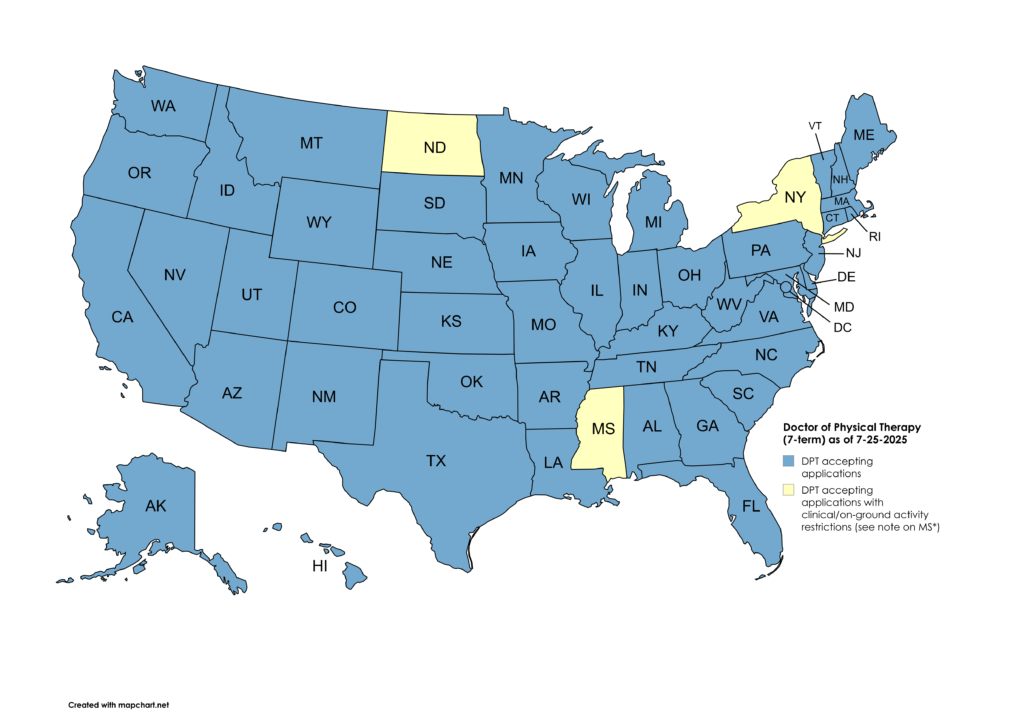
 

*Please note for field placements in Mississippi, the Mississippi Commission on College Accreditation (MCCA) requires submission of application materials prior to each commission meeting, typically held 3-4 times per year, for review and approval by the MCCA prior to the beginning of field placement.

It remains the student’s responsibility to understand, evaluate, and comply with all requirements relating to clinical education experiences, licensing or certification, authorization or endorsement for the state in which she or he resides.

HI DPT-Curriculum (San Marcos and Miami)
Post-Graduation Licensure

The HI DPT satisfies the educational requirements for licensure in all 50 states. For states denoted with clinical field experience and other on-the-ground activity restrictions, USAHS does not have the necessary state authorization approvals to offer on-the-ground activities of this kind in those states at this time. However, these restrictions should not impact a graduates’ eligibility for professional licensure in his/her state, provided all other requirements are met.

USAHS has not made a determination that its curriculum meets the educational requirements for licensure or certification in the following locations:  American Samoa, the Commonwealth of Puerto Rico, Guam, the Virgin Islands, the Commonwealth of the Northern Mariana Islands, the Republic of the Marshall Islands, the Federated States of Micronesia, and the Republic of Palau.

State Approvals

USAHS currently is accepting applications for enrollment in the Hybrid Immersion Doctorate of Physical Therapy (San Marcos and Miami) for residents of the following states:  Alaska, Alabama, Arizona, Arkansas, California, Colorado, Connecticut, Delaware, Florida, Georgia, Hawaii, Idaho, Illinois, Indiana, Iowa, Kansas, Kentucky, Louisiana, Maine, Maryland, Massachusetts, Michigan, Minnesota, Montana, Nebraska, Nevada, New Hampshire, New Jersey, New Mexico, North Carolina, Ohio, Oklahoma, Oregon, Pennsylvania, South Carolina, South Dakota, Tennessee, Texas, Utah, Vermont, Virginia, Washington, West Virginia, Wisconsin, and Wyoming.

USAHS is not accepting applications from prospective students residing in states where the institution does not have state authorization. However, prospective students are encouraged to check back in the near future as the DPT program may be offered in additional states.  Current and admitted students are also advised to monitor this page for any updates prior to relocating to another state, as this can have an impact on continued enrollment in the DPT degree program and the ability to be placed for on-the-ground activities or clinical field experiences.
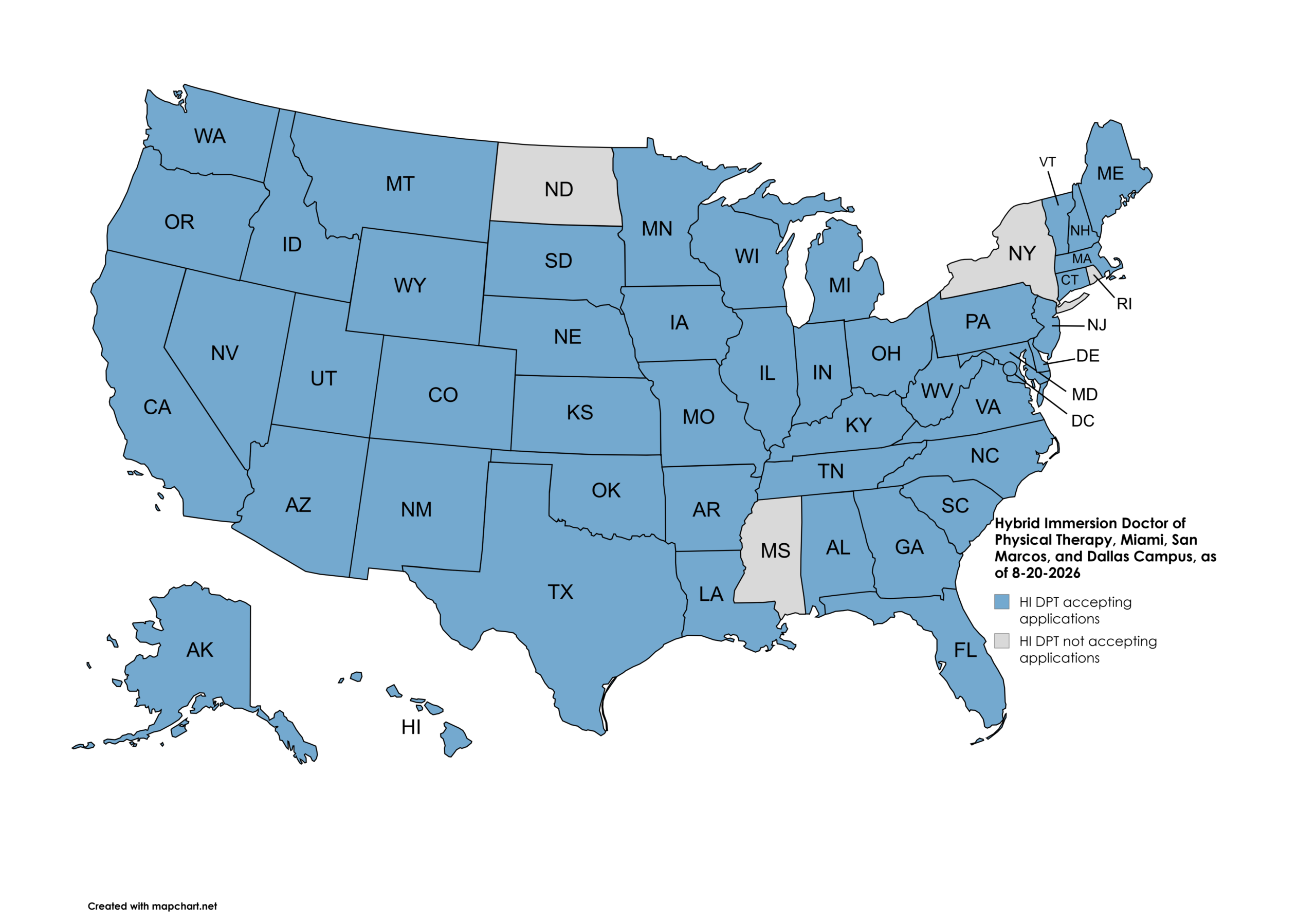
HI DPT San Marcos and Miami website map 10_22_2025


It remains the student’s responsibility to understand, evaluate, and comply with all requirements relating to clinical education experiences, licensing or certification, authorization or endorsement for the state in which she or he resides.

HI DPT-Curriculum (Dallas)
Post-Graduation Licensure

The HI DPT satisfies the educational requirements for licensure in all 50 states. For states denoted with clinical field experience and other on-the-ground activity restrictions, USAHS does not have the necessary state authorization approvals to offer on-the-ground activities of this kind in those states at this time. However, these restrictions should not impact a graduates’ eligibility for professional licensure in his/her state, provided all other requirements are met.

USAHS has not made a determination that its curriculum meets the educational requirements for licensure or certification in the following locations:  American Samoa, the Commonwealth of Puerto Rico, Guam, the Virgin Islands, the Commonwealth of the Northern Mariana Islands, the Republic of the Marshall Islands, the Federated States of Micronesia, and the Republic of Palau.

State Approvals

USAHS currently is accepting applications for enrollment in the Hybrid Immersion Doctorate of Physical Therapy (Dallas) for residents of the following states:  Alaska, Alabama, Arizona, Arkansas, California, Colorado, Connecticut, Delaware, Florida, Georgia, Hawaii, Idaho, Illinois, Indiana, Iowa, Kansas, Kentucky, Louisiana, Maine, Maryland, Massachusetts, Michigan, Minnesota, Montana, Nebraska, Nevada, New Hampshire, New Jersey, New Mexico, North Carolina, Ohio, Oklahoma, Oregon, Pennsylvania, South Carolina, South Dakota, Tennessee, Texas, Utah, Vermont, Virginia, Washington, West Virginia, Wisconsin, and Wyoming.

USAHS is not accepting applications from prospective students residing in states where the institution does not have state authorization. However, prospective students are encouraged to check back in the near future as the DPT program may be offered in additional states.  Current and admitted students are also advised to monitor this page for any updates prior to relocating to another state, as this can have an impact on continued enrollment in the DPT degree program and the ability to be placed for on-the-ground activities or clinical field experiences.
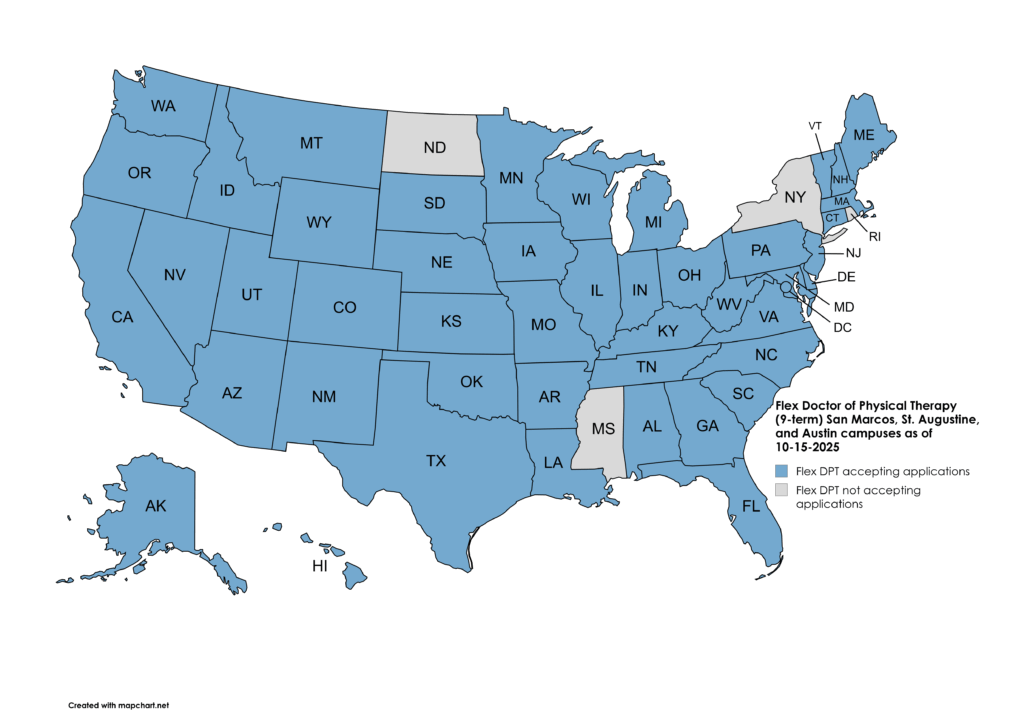
USAHS Hybrid Immersion DPT Dallas State Approvals


It remains the student’s responsibility to understand, evaluate, and comply with all requirements relating to clinical education experiences, licensing or certification, authorization or endorsement for the state in which she or he resides.

Flex DPT Curriculum (San Marcos, St. Augustine, and Austin)

Post-Graduation Licensure

The USAHS Flex DPT program satisfies the educational requirements for licensure in all 50 states; however, the states denoted with restrictions reflect where USAHS does not have state authorization to offer on-the-ground education activities, so only our Residential DPT is available for enrollment to prospective students currently living in those states.  These restrictions should not impact a graduates’ eligibility for professional licensure in his/her state, provided all other requirements are met.

USAHS has not made a determination that its curriculum meets the educational requirements for licensure or certification in the following locations:  American Samoa, the Commonwealth of Puerto Rico, Guam, the Virgin Islands, the Commonwealth of the Northern Mariana Islands, the Republic of the Marshall Islands, the Federated States of Micronesia, and the Republic of Palau.

State Approvals

USAHS currently is accepting applications for enrollment in the Flex Doctorate of Physical Therapy (9 term curriculum) for residents of the following states: Alaska, Alabama, Arizona, Arkansas, California, Colorado, Connecticut, District of Columbia, Florida, Georgia, Hawaii, Idaho, Illinois, Indiana, Iowa, Kansas, Louisiana, Maine, Maryland, Massachusetts, Michigan, Minnesota, Missouri, Montana, Nebraska, Nevada, New Hampshire, New Jersey, New Mexico, Ohio, Oklahoma, Oregon, Pennsylvania, South Carolina, South Dakota, Tennessee, Texas, Utah, Virginia, Vermont, Washington, West Virginia, Wisconsin, and Wyoming.

USAHS is not accepting applications from prospective students residing in states where the institution does not have state authorization. However, prospective students are encouraged to check back in the near future as the DPT program may be offered in additional states.  Current and admitted students are also advised to monitor this page for any updates prior to relocating to another state, as this can have an impact on continued enrollment in the DPT degree program and the ability to be placed for on-the-ground activities or clinical field experiences.


It remains the student’s responsibility to understand, evaluate, and comply with all requirements relating to clinical education experiences, licensing or certification, authorization or endorsement for the state in which she or he resides.

Close

CAPTE - DPT Student Outcomes & Financial Fact Sheets

Graduation Rate at 150% (Two-year Average)

Graduation rate is the percentage of students who matriculated in the first course in the professional program after the add/drop period and who completed the program. The two-year average graduation rates in the Doctor of Physical Therapy (DPT) program are from 2023 to 2024. The information is reported in the CAPTE Annual Accreditation Report.

CampusResidential DPTFlex DPT
San Marcos, CA98%97%
St. Augustine, FL94%95%
Miami, FL95%n/a *
Austin, TX92%90%
Dallas, TX95%n/a *

* Flex DPT is not offered at the Miami, FL, and Dallas, TX, campuses.

National Physical Therapy Exam (NPTE) First Time and Ultimate Pass Rates (Two-year Average)

Graduates from the University of St. Augustine for Health Sciences in the Doctor of Physical Therapy (DPT) program are eligible to register for the NPTE, the physical therapist examination. The first-time and ultimate licensure pass rates averaged over graduation years 2023 and 2024 by DPT program format, Residential and Flex, are shown below.

Residential DPTFlex DPT
CampusFirst TimeUltimateFirst TimeUltimate
San Marcos, CA76%98%63%94%
St. Augustine, FL82%99%77%94%
Miami, FL67%94%                     n/a *
Austin, TX74%97%75%94%
Dallas, TX73%100%                     n/a *

* Flex DPT is not offered at the Miami, FL, and Dallas, TX, campuses.

Employment Rate (Two-year average)

The employment rates averaged over graduation calendar years 2023 and 2024 by DPT program track, Residential and Flex, are below. The employment data was collected through a survey, phone calls, emails, and web searches.

CampusResidential DPTFlex DPT
San Marcos, CA99%99%
St. Augustine, FL100%98%
Miami, FL93%n/a *
Austin, TX97%99%
Dallas, TX96%n/a *

* Flex DPT is not offered at the Miami, FL, and Dallas, TX, campuses.

Financial Fact Sheets

Program Name: USAHS - San Marcos Residential Doctor of Physical Therapy (7 Terms) Financial Fact Sheet 2025
The data applies to students experiencing the program between Jan. 1, 2025 – Dec. 31, 2025.
Length of Program which includes all student instruction/interaction (including classroom, laboratory, exams, and clinical education). Include the total number of weeks where either full or partial attendance is required.
Length of Program in Weeks excluding breaks: 105
Length of Program in Weeks including breaks: 121
Clinical Education
Does this program have a requirement for all students to complete at least one clinical education experience for which the students would be required to seek alternative housing or travel accommodations to attend? Yes
Note: Students are responsible for costs associated with housing, travel and food during clinical education.
Additional Comments:
Student Costs

Note: Year 1 are costs experienced by students who enrolled in the program for the first time between Jan. 1, 2025 – Dec. 31, 2025. Annual costs for subsequent years are estimates based on the program’s historical annual percentage increase of 3% average. Students should contact the program for further information related to costs.
Year 1Year 2Year 3Year 4Total
Annual Tuition Public Institution, In-state Student:
Annual Tuition Public Institution, Out-of-state student:
Annual Tuition Private Institution Student:$55,036$55,036$18,345$128,418
Annual institutional fees for a full-time student. (Includes general institutional fees, i.e., health insurance, recreation, etc.)$1,650$1,875$625$4,150
Total expected cost of other program-related expenses (Includes: required texts, laboratory fees, and other program costs for the entire technical program.)$1,575$1,350$450$3,375
Total Cost of the Program (Includes: tuition, fees, other program costs for the entire program.)$58,261$58,261$19,420$135,943
NOTE: Students are encouraged to explore the cost of living for areas where they may choose to live. One possible website: https://livingwage.mit.edu/
Does the institution offer financial assistance specific to DPT students?No
Does the program/institution offer scholarships specific to DPT students?Yes
Does the program offer graduate assistantships specific to DPT students?No
Note: Other opportunities may exist at the institution for FINANCIAL SUPPORT-please contact the program for further information.
APTA student members are encouraged to visit the APTA Financial Solutions Center at https://www.apta.org/your-career/financial-solutions-center.
Student Debt Summary

(Programs with less than 10 graduates in calendar year 2025 are not required to complete this section)
Average student debt from the DPT Program for students who graduated or will graduate between Jan. 1 – Dec. 31, 2025: n/a*
Average total student debt after completing the DPT Program for students who graduated or will graduate between Jan. 1 – Dec. 31, 2025. Include all student loan debt: n/a*
*Beginning in fall 2024, students began a revised curriculum; the first graduates will be in December 2026.
Program Name: USAHS - San Marcos Hybrid Immersion Doctor of Physical Therapy (7 Terms) Financial Fact Sheet 2025
The data applies to students experiencing the program between Jan. 1, 2025 – Dec. 31, 2025.
Length of Program which includes all student instruction/interaction (including classroom, laboratory, exams, and clinical education). Include the total number of weeks where either full or partial attendance is required.
Length of Program in Weeks excluding breaks: 105
Length of Program in Weeks including breaks: 121
Clinical Education
Does this program have a requirement for all students to complete at least one clinical education experience for which the students would be required to seek alternative housing or travel accommodations to attend? Yes
Note: Students are responsible for costs associated with housing, travel and food during clinical education.
Additional Comments:
Student Costs

Note: Year 1 are costs experienced by students who enrolled in the program for the first time between Jan. 1, 2025 – Dec. 31, 2025. Annual costs for subsequent years are estimates based on the program’s historical annual percentage increase of 3% average. Students should contact the program for further information related to costs.
Year 1Year 2Year 3Year 4Total
Annual Tuition Public Institution, In-state Student:
Annual Tuition Public Institution, Out-of-state student:
Annual Tuition Private Institution Student:$54,947$56,687$18,896$130,619
Annual institutional fees for a full-time student. (Includes general institutional fees, i.e., health insurance, recreation, etc.)$1,875$1,875$625$4,375
Total expected cost of other program-related expenses (Includes: required texts, laboratory fees, and other program costs for the entire technical program.)$1,350$1,350$1,350$3,164
Total Cost of the Program (Includes: tuition, fees, other program costs for the entire program.)$58,261$59,912$19,984$138,158
NOTE: Students are encouraged to explore the cost of living for areas where they may choose to live. One possible website: https://livingwage.mit.edu/
Does the institution offer financial assistance specific to DPT students?No
Does the program/institution offer scholarships specific to DPT students?Yes
Does the program offer graduate assistantships specific to DPT students?No
Note: Other opportunities may exist at the institution for FINANCIAL SUPPORT-please contact the program for further information.
APTA student members are encouraged to visit the APTA Financial Solutions Center at https://www.apta.org/your-career/financial-solutions-center.
Student Debt Summary

(Programs with less than 10 graduates in calendar year 2025 are not required to complete this section)
Average student debt from the DPT Program for students who graduated or will graduate between Jan. 1 – Dec. 31, 2025: n/a*
Average total student debt after completing the DPT Program for students who graduated or will graduate between Jan. 1 – Dec. 31, 2025. Include all student loan debt: n/a*
*Beginning in fall 2024, students began a revised curriculum; the first graduates will be in December 2027.
Program Name: USAHS - San Marcos Flex Doctor of Physical Therapy (9 Terms) Financial Fact Sheet 2025
The data applies to students experiencing the program between Jan. 1, 2025 – Dec. 31, 2025.
Length of Program which includes all student instruction/interaction (including classroom, laboratory, exams, and clinical education). Include the total number of weeks where either full or partial attendance is required.
Length of Program in Weeks excluding breaks: 135
Length of Program in Weeks including breaks: 156
Clinical Education
Does this program have a requirement for all students to complete at least one clinical education experience for which the students would be required to seek alternative housing or travel accommodations to attend? Yes
Note: Students are responsible for costs associated with housing, travel and food during clinical education.
Additional Comments:
Student Costs

Note: Year 1 are costs experienced by students who enrolled in the program for the first time between Jan. 1, 2025 – Dec. 31, 2025. Annual costs for subsequent years are estimates based on the program’s historical annual percentage increase of 3% average. Students should contact the program for further information related to costs.
Year 1Year 2Year 3Year 4Total
Annual Tuition Public Institution, In-state Student:
Annual Tuition Public Institution, Out-of-state student:
Annual Tuition Private Institution Student:$39,809$39,809$39,809$119,427
Annual institutional fees for a full-time student. (Includes general institutional fees, i.e., health insurance, recreation, etc.)$1,650$1,875$1,875$5,400
Total expected cost of other program-related expenses (Includes: required texts, laboratory fees, and other program costs for the entire technical program.)$1,050$1,050$1,050$3,150
Total Cost of the Program (Includes: tuition, fees, other program costs for the entire program.)$42,509$42,734$42,734$127,977
NOTE: Students are encouraged to explore the cost of living for areas where they may choose to live. One possible website: https://livingwage.mit.edu/
Does the institution offer financial assistance specific to DPT students?No
Does the program/institution offer scholarships specific to DPT students?Yes
Does the program offer graduate assistantships specific to DPT students?No
Note: Other opportunities may exist at the institution for FINANCIAL SUPPORT-please contact the program for further information.
APTA student members are encouraged to visit the APTA Financial Solutions Center at https://www.apta.org/your-career/financial-solutions-center.
Student Debt Summary

(Programs with less than 10 graduates in calendar year 2025 are not required to complete this section)
Average student debt from the DPT Program for students who graduated or will graduate between Jan. 1 – Dec. 31, 2025: n/a*
Average total student debt after completing the DPT Program for students who graduated or will graduate between Jan. 1 – Dec. 31, 2025. Include all student loan debt: n/a*
*Beginning in fall 2024, students began a revised curriculum; the first graduates will be in August 2027.
Program Name: USAHS - St Augustine Residential Doctor of Physical Therapy (7 Terms) Financial Fact Sheet 2025
The data applies to students experiencing the program between Jan. 1, 2025 – Dec. 31, 2025.
Length of Program which includes all student instruction/interaction (including classroom, laboratory, exams, and clinical education). Include the total number of weeks where either full or partial attendance is required.
Length of Program in Weeks excluding breaks: 105
Length of Program in Weeks including breaks: 121
Clinical Education
Does this program have a requirement for all students to complete at least one clinical education experience for which the students would be required to seek alternative housing or travel accommodations to attend? Yes
Note: Students are responsible for costs associated with housing, travel and food during clinical education.
Additional Comments:
Student Costs

Note: Year 1 are costs experienced by students who enrolled in the program for the first time between Jan. 1, 2025 – Dec. 31, 2025. Annual costs for subsequent years are estimates based on the program’s historical annual percentage increase of 3% average. Students should contact the program for further information related to costs.
Year 1Year 2Year 3Year 4Total
Annual Tuition Public Institution, In-state Student:
Annual Tuition Public Institution, Out-of-state student:
Annual Tuition Private Institution Student:$48,039$48,039$16,013$112,091
Annual institutional fees for a full-time student. (Includes general institutional fees, i.e., health insurance, recreation, etc.)$1,650$1,875$625$4,150
Total expected cost of other program-related expenses (Includes: required texts, laboratory fees, and other program costs for the entire technical program.)$1,575$1,350$450$3,375
Total Cost of the Program (Includes: tuition, fees, other program costs for the entire program.)$51,264$51,264$17,088$119,616
NOTE: Students are encouraged to explore the cost of living for areas where they may choose to live. One possible website: https://livingwage.mit.edu/
Does the institution offer financial assistance specific to DPT students?No
Does the program/institution offer scholarships specific to DPT students?Yes
Does the program offer graduate assistantships specific to DPT students?No
Note: Other opportunities may exist at the institution for FINANCIAL SUPPORT-please contact the program for further information.
APTA student members are encouraged to visit the APTA Financial Solutions Center at https://www.apta.org/your-career/financial-solutions-center.
Student Debt Summary

(Programs with less than 10 graduates in calendar year 2025 are not required to complete this section)
Average student debt from the DPT Program for students who graduated or will graduate between Jan. 1 – Dec. 31, 2025: n/a*
Average total student debt after completing the DPT Program for students who graduated or will graduate between Jan. 1 – Dec. 31, 2025. Include all student loan debt: n/a*
*Beginning in fall 2024, students began a revised curriculum; the first graduates will be in December 2026.
Program Name: USAHS - St Augustine Flex Doctor of Physical Therapy (9 Terms) Financial Fact Sheet 2025
The data applies to students experiencing the program between Jan. 1, 2025 – Dec. 31, 2025.
Length of Program which includes all student instruction/interaction (including classroom, laboratory, exams, and clinical education). Include the total number of weeks where either full or partial attendance is required.
Length of Program in Weeks excluding breaks: 135
Length of Program in Weeks including breaks: 156
Clinical Education
Does this program have a requirement for all students to complete at least one clinical education experience for which the students would be required to seek alternative housing or travel accommodations to attend? Yes
Note: Students are responsible for costs associated with housing, travel and food during clinical education.
Additional Comments:
Student Costs

Note: Year 1 are costs experienced by students who enrolled in the program for the first time between Jan. 1, 2025 – Dec. 31, 2025. Annual costs for subsequent years are estimates based on the program’s historical annual percentage increase of 3% average. Students should contact the program for further information related to costs.
Year 1Year 2Year 3Year 4Total
Annual Tuition Public Institution, In-state Student:
Annual Tuition Public Institution, Out-of-state student:
Annual Tuition Private Institution Student:$32,996$32,996$32,996$98,989
Annual institutional fees for a full-time student. (Includes general institutional fees, i.e., health insurance, recreation, etc.)$1,650$1,875$1,875$5,400
Total expected cost of other program-related expenses (Includes: required texts, laboratory fees, and other program costs for the entire technical program.)$1,050$1,050$1,050$3,150
Total Cost of the Program (Includes: tuition, fees, other program costs for the entire program.)$35,696$35,921$35,921$107,539
NOTE: Students are encouraged to explore the cost of living for areas where they may choose to live. One possible website: https://livingwage.mit.edu/
Does the institution offer financial assistance specific to DPT students?No
Does the program/institution offer scholarships specific to DPT students?Yes
Does the program offer graduate assistantships specific to DPT students?No
Note: Other opportunities may exist at the institution for FINANCIAL SUPPORT-please contact the program for further information.
APTA student members are encouraged to visit the APTA Financial Solutions Center at https://www.apta.org/your-career/financial-solutions-center.
Student Debt Summary

(Programs with less than 10 graduates in calendar year 2025 are not required to complete this section)
Average student debt from the DPT Program for students who graduated or will graduate between Jan. 1 – Dec. 31, 2025: n/a*
Average total student debt after completing the DPT Program for students who graduated or will graduate between Jan. 1 – Dec. 31, 2025. Include all student loan debt: n/a*
*Beginning in fall 2024, students began a revised curriculum; the first graduates will be in August 2027.
Program Name: USAHS - Miami Residential Doctor of Physical Therapy (7 Terms) Financial Fact Sheet 2025
The data applies to students experiencing the program between Jan. 1, 2025 – Dec. 31, 2025.
Length of Program which includes all student instruction/interaction (including classroom, laboratory, exams, and clinical education). Include the total number of weeks where either full or partial attendance is required.
Length of Program in Weeks excluding breaks: 105
Length of Program in Weeks including breaks: 121
Clinical Education
Does this program have a requirement for all students to complete at least one clinical education experience for which the students would be required to seek alternative housing or travel accommodations to attend? Yes
Note: Students are responsible for costs associated with housing, travel and food during clinical education.
Additional Comments:
Student Costs

Note: Year 1 are costs experienced by students who enrolled in the program for the first time between Jan. 1, 2025 – Dec. 31, 2025. Annual costs for subsequent years are estimates based on the program’s historical annual percentage increase of 3% average. Students should contact the program for further information related to costs.
Year 1Year 2Year 3Year 4Total
Annual Tuition Public Institution, In-state Student:
Annual Tuition Public Institution, Out-of-state student:
Annual Tuition Private Institution Student:$48,039$48,039$16,013$112,091
Annual institutional fees for a full-time student. (Includes general institutional fees, i.e., health insurance, recreation, etc.)$1,650$1,875$625$4,150
Total expected cost of other program-related expenses (Includes: required texts, laboratory fees, and other program costs for the entire technical program.)$1,575$1,350$450$3,375
Total Cost of the Program (Includes: tuition, fees, other program costs for the entire program.)$51,264$51,264$17,088$119,616
NOTE: Students are encouraged to explore the cost of living for areas where they may choose to live. One possible website: https://livingwage.mit.edu/
Does the institution offer financial assistance specific to DPT students?No
Does the program/institution offer scholarships specific to DPT students?Yes
Does the program offer graduate assistantships specific to DPT students?No
Note: Other opportunities may exist at the institution for FINANCIAL SUPPORT-please contact the program for further information.
APTA student members are encouraged to visit the APTA Financial Solutions Center at https://www.apta.org/your-career/financial-solutions-center.
Student Debt Summary

(Programs with less than 10 graduates in calendar year 2025 are not required to complete this section)
Average student debt from the DPT Program for students who graduated or will graduate between Jan. 1 – Dec. 31, 2025: n/a*
Average total student debt after completing the DPT Program for students who graduated or will graduate between Jan. 1 – Dec. 31, 2025. Include all student loan debt: n/a*
*Beginning in fall 2024, students began a revised curriculum; the first graduates will be in December 2026.
Program Name: USAHS - Miami* Hybrid Immersion Doctor of Physical Therapy (7 Terms) Financial Fact Sheet 2026
The data applies to students experiencing the program between Jan. 1, 2026 – Dec. 31, 2026.
Length of Program which includes all student instruction/interaction (including classroom, laboratory, exams, and clinical education). Include the total number of weeks where either full or partial attendance is required.
Length of Program in Weeks excluding breaks: 105
Length of Program in Weeks including breaks: 121
Clinical Education
Does this program have a requirement for all students to complete at least one clinical education experience for which the students would be required to seek alternative housing or travel accommodations to attend? Yes
Note: Students are responsible for costs associated with housing, travel and food during clinical education.
Additional Comments:
Student Costs

Note: Annual costs are estimates and may be subject to increases. Students should contact the program for further information related to costs.
Year 1Year 2Year 3Year 4Total
Annual Tuition Public Institution, In-state Student:
Annual Tuition Public Institution, Out-of-state student:
Annual Tuition Private Institution Student:$48,039$48,039$16,013$112,091
Annual institutional fees for a full-time student. (Includes general institutional fees, i.e., health insurance, recreation, etc.)$1,875$1,875$625$4,375
Total expected cost of other program-related expenses (Includes: required texts, laboratory fees, and other program costs for the entire technical program.)$1,350$1,350$450$3,150
Total Cost of the Program (Includes: tuition, fees, other program costs for the entire program.)$51,264$51,264$17,088$0$119,616
NOTE: Students are encouraged to explore the cost of living for areas where they may choose to live. One possible website: https://livingwage.mit.edu/
Does the institution offer financial assistance specific to DPT students?No
Does the program/institution offer scholarships specific to DPT students?Yes
Does the program offer graduate assistantships specific to DPT students?No
Note: Other opportunities may exist at the institution for FINANCIAL SUPPORT-please contact the program for further information.
APTA student members are encouraged to visit the APTA Financial Solutions Center at https://www.apta.org/your-career/financial-solutions-center.
Student Debt Summary*

(Programs with less than 10 graduates in calendar year 2025 are not required to complete this section)
Average student debt from the DPT Program for students who graduated or will graduate between Jan. 1 – Dec. 31, 2025: n/a
Average total student debt after completing the DPT Program for students who graduated or will graduate between Jan. 1 – Dec. 31, 2025. Include all student loan debt: n/a
*The Miami HI DPT program is scheduled to admit its first cohort January 2026.
Program Name: USAHS - Austin Residential Doctor of Physical Therapy (7 Terms) Financial Fact Sheet 2025
The data applies to students experiencing the program between Jan. 1, 2025 – Dec. 31, 2025.
Length of Program which includes all student instruction/interaction (including classroom, laboratory, exams, and clinical education). Include the total number of weeks where either full or partial attendance is required.
Length of Program in Weeks excluding breaks: 105
Length of Program in Weeks including breaks: 121
Clinical Education
Does this program have a requirement for all students to complete at least one clinical education experience for which the students would be required to seek alternative housing or travel accommodations to attend? Yes
Note: Students are responsible for costs associated with housing, travel and food during clinical education.
Additional Comments:
Student Costs

Note: Year 1 are costs experienced by students who enrolled in the program for the first time between Jan. 1, 2025 – Dec. 31, 2025. Annual costs for subsequent years are estimates based on the program’s historical annual percentage increase of 3% average. Students should contact the program for further information related to costs.
Year 1Year 2Year 3Year 4Total
Annual Tuition Public Institution, In-state Student:
Annual Tuition Public Institution, Out-of-state student:
Annual Tuition Private Institution Student:$48,039$48,039$16,013$112,091
Annual institutional fees for a full-time student. (Includes general institutional fees, i.e., health insurance, recreation, etc.)$1,650$1,875$625$4,150
Total expected cost of other program-related expenses (Includes: required texts, laboratory fees, and other program costs for the entire technical program.)$1,575$1,350$450$3,375
Total Cost of the Program (Includes: tuition, fees, other program costs for the entire program.)$51,264$51,264$17,088$119,616
NOTE: Students are encouraged to explore the cost of living for areas where they may choose to live. One possible website: https://livingwage.mit.edu/
Does the institution offer financial assistance specific to DPT students?No
Does the program/institution offer scholarships specific to DPT students?Yes
Does the program offer graduate assistantships specific to DPT students?No
Note: Other opportunities may exist at the institution for FINANCIAL SUPPORT-please contact the program for further information.
APTA student members are encouraged to visit the APTA Financial Solutions Center at https://www.apta.org/your-career/financial-solutions-center.
Student Debt Summary

(Programs with less than 10 graduates in calendar year 2025 are not required to complete this section)
Average student debt from the DPT Program for students who graduated or will graduate between Jan. 1 – Dec. 31, 2025: n/a*
Average total student debt after completing the DPT Program for students who graduated or will graduate between Jan. 1 – Dec. 31, 2025. Include all student loan debt: n/a*
*Beginning in fall 2024, students began a revised curriculum; the first graduates will be in December 2026.
Program Name: USAHS - Austin Flex Doctor of Physical Therapy (9 Terms) Financial Fact Sheet 2025
The data applies to students experiencing the program between Jan. 1, 2025 – Dec. 31, 2025.
Length of Program which includes all student instruction/interaction (including classroom, laboratory, exams, and clinical education). Include the total number of weeks where either full or partial attendance is required.
Length of Program in Weeks excluding breaks: 135
Length of Program in Weeks including breaks: 156
Clinical Education
Does this program have a requirement for all students to complete at least one clinical education experience for which the students would be required to seek alternative housing or travel accommodations to attend? Yes
Note: Students are responsible for costs associated with housing, travel and food during clinical education.
Additional Comments:
Student Costs

Note: Year 1 are costs experienced by students who enrolled in the program for the first time between Jan. 1, 2025 – Dec. 31, 2025. Annual costs for subsequent years are estimates based on the program’s historical annual percentage increase of 3% average. Students should contact the program for further information related to costs.
Year 1Year 2Year 3Year 4Total
Annual Tuition Public Institution, In-state Student:
Annual Tuition Public Institution, Out-of-state student:
Annual Tuition Private Institution Student:$35,600$35,600$35,600$106,800
Annual institutional fees for a full-time student. (Includes general institutional fees, i.e., health insurance, recreation, etc.)$1,650$1,875$1,875$5,400
Total expected cost of other program-related expenses (Includes: required texts, laboratory fees, and other program costs for the entire technical program.)$1,050$1,050$1,050$3,150
Total Cost of the Program (Includes: tuition, fees, other program costs for the entire program.)$38,300$38,525$38,525$115,350
NOTE: Students are encouraged to explore the cost of living for areas where they may choose to live. One possible website: https://livingwage.mit.edu/
Does the institution offer financial assistance specific to DPT students?No
Does the program/institution offer scholarships specific to DPT students?Yes
Does the program offer graduate assistantships specific to DPT students?No
Note: Other opportunities may exist at the institution for FINANCIAL SUPPORT-please contact the program for further information.
APTA student members are encouraged to visit the APTA Financial Solutions Center at https://www.apta.org/your-career/financial-solutions-center.
Student Debt Summary

(Programs with less than 10 graduates in calendar year 2025 are not required to complete this section)
Average student debt from the DPT Program for students who graduated or will graduate between Jan. 1 – Dec. 31, 2025: n/a*
Average total student debt after completing the DPT Program for students who graduated or will graduate between Jan. 1 – Dec. 31, 2025. Include all student loan debt: n/a*
*Beginning in fall 2024, students began a revised curriculum; the first graduates will be in August 2027.
Program Name: USAHS - Dallas Residential Doctor of Physical Therapy (7 Terms) Financial Fact Sheet 2025
The data applies to students experiencing the program between Jan. 1, 2025 – Dec. 31, 2025.
Length of Program which includes all student instruction/interaction (including classroom, laboratory, exams, and clinical education). Include the total number of weeks where either full or partial attendance is required.
Length of Program in Weeks excluding breaks: 105
Length of Program in Weeks including breaks: 121
Clinical Education
Does this program have a requirement for all students to complete at least one clinical education experience for which the students would be required to seek alternative housing or travel accommodations to attend? Yes
Note: Students are responsible for costs associated with housing, travel and food during clinical education.
Additional Comments:
Student Costs

Note: Year 1 are costs experienced by students who enrolled in the program for the first time between Jan. 1, 2025 – Dec. 31, 2025. Annual costs for subsequent years are estimates based on the program’s historical annual percentage increase of 3% average. Students should contact the program for further information related to costs.
Year 1Year 2Year 3Year 4Total
Annual Tuition Public Institution, In-state Student:
Annual Tuition Public Institution, Out-of-state student:
Annual Tuition Private Institution Student:$48,039$48,039$16,013$112,091
Annual institutional fees for a full-time student. (Includes general institutional fees, i.e., health insurance, recreation, etc.)$1,650$1,875$625$4,150
Total expected cost of other program-related expenses (Includes: required texts, laboratory fees, and other program costs for the entire technical program.)$1,575$1,350$450$3,375
Total Cost of the Program (Includes: tuition, fees, other program costs for the entire program.)$51,264$51,264$17,088$119,616
NOTE: Students are encouraged to explore the cost of living for areas where they may choose to live. One possible website: https://livingwage.mit.edu/
Does the institution offer financial assistance specific to DPT students?No
Does the program/institution offer scholarships specific to DPT students?Yes
Does the program offer graduate assistantships specific to DPT students?No
Note: Other opportunities may exist at the institution for FINANCIAL SUPPORT-please contact the program for further information.
APTA student members are encouraged to visit the APTA Financial Solutions Center at https://www.apta.org/your-career/financial-solutions-center.
Student Debt Summary

(Programs with less than 10 graduates in calendar year 2025 are not required to complete this section)
Average student debt from the DPT Program for students who graduated or will graduate between Jan. 1 – Dec. 31, 2025: n/a*
Average total student debt after completing the DPT Program for students who graduated or will graduate between Jan. 1 – Dec. 31, 2025. Include all student loan debt: n/a*
*Beginning in fall 2024, students began a revised curriculum; the first graduates will be in December 2026.
Program Name: USAHS - Dallas* Hybrid Immersion Doctor of Physical Therapy (7 Terms) Financial Fact Sheet 2026
The data applies to students experiencing the program between Jan. 1, 2026 – Dec. 31, 2026.
Length of Program which includes all student instruction/interaction (including classroom, laboratory, exams, and clinical education). Include the total number of weeks where either full or partial attendance is required.
Length of Program in Weeks excluding breaks: 105
Length of Program in Weeks including breaks: 121
Clinical Education
Does this program have a requirement for all students to complete at least one clinical education experience for which the students would be required to seek alternative housing or travel accommodations to attend? Yes
Note: Students are responsible for costs associated with housing, travel and food during clinical education.
Additional Comments:
Student Costs

Note: Annual costs are estimates and may be subject to increases. Students should contact the program for further information related to costs.
Year 1Year 2Year 3Year 4Total
Annual Tuition Public Institution, In-state Student:
Annual Tuition Public Institution, Out-of-state student:
Annual Tuition Private Institution Student:$48,039$48,039$16,013$112,091
Annual institutional fees for a full-time student. (Includes general institutional fees, i.e., health insurance, recreation, etc.)$1,875$1,875$625$4,375
Total expected cost of other program-related expenses (Includes: required texts, laboratory fees, and other program costs for the entire technical program.)$1,350$1,350$450$3,150
Total Cost of the Program (Includes: tuition, fees, other program costs for the entire program.)$51,264$51,264$17,088$0$119,616
NOTE: Students are encouraged to explore the cost of living for areas where they may choose to live. One possible website: https://livingwage.mit.edu/
Does the institution offer financial assistance specific to DPT students?No
Does the program/institution offer scholarships specific to DPT students?Yes
Does the program offer graduate assistantships specific to DPT students?No
Note: Other opportunities may exist at the institution for FINANCIAL SUPPORT-please contact the program for further information.
APTA student members are encouraged to visit the APTA Financial Solutions Center at https://www.apta.org/your-career/financial-solutions-center.
Student Debt Summary*

(Programs with less than 10 graduates in calendar year 2025 are not required to complete this section)
Average student debt from the DPT Program for students who graduated or will graduate between Jan. 1 – Dec. 31, 2025: n/a
Average total student debt after completing the DPT Program for students who graduated or will graduate between Jan. 1 – Dec. 31, 2025. Include all student loan debt: n/a
*The Dallas HI DPT program is scheduled to admit its first cohort May 2026.
Program Name: USAHS - San Marcos Residential Doctor of Physical Therapy (8 Terms) Financial Fact Sheet 2025
The data applies to students experiencing the program between Jan. 1, 2025 – Dec. 31, 2025.
Length of Program which includes all student instruction/interaction (including classroom, laboratory, exams, and clinical education). Include the total number of weeks where either full or partial attendance is required.
Length of Program in Weeks excluding breaks: 120
Length of Program in Weeks including breaks: 138
Clinical Education
Does this program have a requirement for all students to complete at least one clinical education experience for which the students would be required to seek alternative housing or travel accommodations to attend? Yes
Note: Students are responsible for costs associated with housing, travel and food during clinical education.
Additional Comments:
Student Costs

Note: Year 1 are costs experienced by students who enrolled in the program for the first time between Jan. 1, 2025 – Dec. 31, 2025. Annual costs for subsequent years are estimates based on the program’s historical annual percentage increase of 3% average. Students should contact the program for further information related to costs.
Year 1Year 2Year 3Year 4Total
Annual Tuition Public Institution, In-state Student:
Annual Tuition Public Institution, Out-of-state student:
Annual Tuition Private Institution Student:$32,104$48,156$48,156$128,416
Annual institutional fees for a full-time student. (Includes general institutional fees, i.e., health insurance, recreation, etc.)$800$1,650$1,650$4,100
Total expected cost of other program-related expenses (Includes: required texts, laboratory fees, and other program costs for the entire technical program.)$1,050$1,575$1,575$4,200
Total Cost of the Program (Includes: tuition, fees, other program costs for the entire program.)$33,954$51,381$51,381$136,716
NOTE: Students are encouraged to explore the cost of living for areas where they may choose to live. One possible website: https://livingwage.mit.edu/
Does the institution offer financial assistance specific to DPT students?No
Does the program/institution offer scholarships specific to DPT students?Yes
Does the program offer graduate assistantships specific to DPT students?No
Note: Other opportunities may exist at the institution for FINANCIAL SUPPORT-please contact the program for further information.
APTA student members are encouraged to visit the APTA Financial Solutions Center at https://www.apta.org/your-career/financial-solutions-center.
Student Debt Summary

(Programs with less than 10 graduates in calendar year 2025 are not required to complete this section)
Average student debt from the DPT Program for students who graduated or will graduate between Jan. 1 – Dec. 31, 2025: $160,598
Average total student debt after completing the DPT Program for students who graduated or will graduate between Jan. 1 – Dec. 31, 2025. Include all student loan debt: $167,375
Program Name: USAHS - San Marcos Flex Doctor of Physical Therapy (12 Terms) Financial Fact Sheet 2025
The data applies to students experiencing the program between Jan. 1, 2025 – Dec. 31, 2025.
Length of Program which includes all student instruction/interaction (including classroom, laboratory, exams, and clinical education). Include the total number of weeks where either full or partial attendance is required.
Length of Program in Weeks excluding breaks: 180
Length of Program in Weeks including breaks: 208
Clinical Education
Does this program have a requirement for all students to complete at least one clinical education experience for which the students would be required to seek alternative housing or travel accommodations to attend? Yes
Note: Students are responsible for costs associated with housing, travel and food during clinical education.
Additional Comments:
Student Costs

Note: Year 1 are costs experienced by students who enrolled in the program for the first time between Jan. 1, 2025 – Dec. 31, 2025. Annual costs for subsequent years are estimates based on the program’s historical annual percentage increase of 3% average. Students should contact the program for further information related to costs.
Year 1Year 2Year 3Year 4Total
Annual Tuition Public Institution, In-state Student:
Annual Tuition Public Institution, Out-of-state student:
Annual Tuition Private Institution Student:$29,184$29,857$29,856$29,856$118,753
Annual institutional fees for a full-time student. (Includes general institutional fees, i.e., health insurance, recreation, etc.)$400$950$1,650$1,650$4,650
Total expected cost of other program-related expenses (Includes: required texts, laboratory fees, and other program costs for the entire technical program.)$1,050$1,050$1,050$1,050$4,200
Total Cost of the Program (Includes: tuition, fees, other program costs for the entire program.)$30,634$31,857$32,556$32,556$127,603
NOTE: Students are encouraged to explore the cost of living for areas where they may choose to live. One possible website: https://livingwage.mit.edu/
Does the institution offer financial assistance specific to DPT students?No
Does the program/institution offer scholarships specific to DPT students?Yes
Does the program offer graduate assistantships specific to DPT students?No
Note: Other opportunities may exist at the institution for FINANCIAL SUPPORT-please contact the program for further information.
APTA student members are encouraged to visit the APTA Financial Solutions Center at https://www.apta.org/your-career/financial-solutions-center.
Student Debt Summary

(Programs with less than 10 graduates in calendar year 2025 are not required to complete this section)
Average student debt from the DPT Program for students who graduated or will graduate between Jan. 1 – Dec. 31, 2025: $147,117
Average total student debt after completing the DPT Program for students who graduated or will graduate between Jan. 1 – Dec. 31, 2025. Include all student loan debt: $157,763
Program Name: USAHS - St Augustine Residential Doctor of Physical Therapy (8 Terms) Financial Fact Sheet 2025
The data applies to students experiencing the program between Jan. 1, 2025 – Dec. 31, 2025.
Length of Program which includes all student instruction/interaction (including classroom, laboratory, exams, and clinical education). Include the total number of weeks where either full or partial attendance is required.
Length of Program in Weeks excluding breaks: 120
Length of Program in Weeks including breaks: 138
Clinical Education
Does this program have a requirement for all students to complete at least one clinical education experience for which the students would be required to seek alternative housing or travel accommodations to attend? Yes
Note: Students are responsible for costs associated with housing, travel and food during clinical education.
Additional Comments:
Student Costs

Note: Year 1 are costs experienced by students who enrolled in the program for the first time between Jan. 1, 2025 – Dec. 31, 2025. Annual costs for subsequent years are estimates based on the program’s historical annual percentage increase of 3% average. Students should contact the program for further information related to costs.
Year 1Year 2Year 3Year 4Total
Annual Tuition Public Institution, In-state Student:
Annual Tuition Public Institution, Out-of-state student:
Annual Tuition Private Institution Student:$28,023$42,034$42,034$112,091
Annual institutional fees for a full-time student. (Includes general institutional fees, i.e., health insurance, recreation, etc.)$800$1,650$1,650$4,100
Total expected cost of other program-related expenses (Includes: required texts, laboratory fees, and other program costs for the entire technical program.)$1,050$1,575$1,575$4,200
Total Cost of the Program (Includes: tuition, fees, other program costs for the entire program.)$29,873$45,259$45,259$120,391
NOTE: Students are encouraged to explore the cost of living for areas where they may choose to live. One possible website: https://livingwage.mit.edu/
Does the institution offer financial assistance specific to DPT students?No
Does the program/institution offer scholarships specific to DPT students?Yes
Does the program offer graduate assistantships specific to DPT students?No
Note: Other opportunities may exist at the institution for FINANCIAL SUPPORT-please contact the program for further information.
APTA student members are encouraged to visit the APTA Financial Solutions Center at https://www.apta.org/your-career/financial-solutions-center.
Student Debt Summary

(Programs with less than 10 graduates in calendar year 2025 are not required to complete this section)
Average student debt from the DPT Program for students who graduated or will graduate between Jan. 1 – Dec. 31, 2025: $136,057
Average total student debt after completing the DPT Program for students who graduated or will graduate between Jan. 1 – Dec. 31, 2025. Include all student loan debt: $146,630
Program Name: USAHS - St Augustine Flex Doctor of Physical Therapy (12 Terms) Financial Fact Sheet 2025
The data applies to students experiencing the program between Jan. 1, 2025 – Dec. 31, 2025.
Length of Program which includes all student instruction/interaction (including classroom, laboratory, exams, and clinical education). Include the total number of weeks where either full or partial attendance is required.
Length of Program in Weeks excluding breaks: 180
Length of Program in Weeks including breaks: 208
Clinical Education
Does this program have a requirement for all students to complete at least one clinical education experience for which the students would be required to seek alternative housing or travel accommodations to attend? Yes
Note: Students are responsible for costs associated with housing, travel and food during clinical education.
Additional Comments:
Student Costs

Note: Year 1 are costs experienced by students who enrolled in the program for the first time between Jan. 1, 2025 – Dec. 31, 2025. Annual costs for subsequent years are estimates based on the program’s historical annual percentage increase of 3% average. Students should contact the program for further information related to costs.
Year 1Year 2Year 3Year 4Total
Annual Tuition Public Institution, In-state Student:
Annual Tuition Public Institution, Out-of-state student:
Annual Tuition Private Institution Student:$24,267$24,747$24,747$24,747$98,508
Annual institutional fees for a full-time student. (Includes general institutional fees, i.e., health insurance, recreation, etc.)$400$950$1,650$1,650$4,650
Total expected cost of other program-related expenses (Includes: required texts, laboratory fees, and other program costs for the entire technical program.)$1,050$1,050$1,050$1,050$4,200
Total Cost of the Program (Includes: tuition, fees, other program costs for the entire program.)$25,717$26,747$27,447$27,447$107,358
NOTE: Students are encouraged to explore the cost of living for areas where they may choose to live. One possible website: https://livingwage.mit.edu/
Does the institution offer financial assistance specific to DPT students?No
Does the program/institution offer scholarships specific to DPT students?Yes
Does the program offer graduate assistantships specific to DPT students?No
Note: Other opportunities may exist at the institution for FINANCIAL SUPPORT-please contact the program for further information.
APTA student members are encouraged to visit the APTA Financial Solutions Center at https://www.apta.org/your-career/financial-solutions-center.
Student Debt Summary

(Programs with less than 10 graduates in calendar year 2025 are not required to complete this section)
Average student debt from the DPT Program for students who graduated or will graduate between Jan. 1 – Dec. 31, 2025: $130,350
Average total student debt after completing the DPT Program for students who graduated or will graduate between Jan. 1 – Dec. 31, 2025. Include all student loan debt: $141,149
Program Name: USAHS - Miami Residential Doctor of Physical Therapy (8 Terms) Financial Fact Sheet 2025
The data applies to students experiencing the program between Jan. 1, 2025 – Dec. 31, 2025.
Length of Program which includes all student instruction/interaction (including classroom, laboratory, exams, and clinical education). Include the total number of weeks where either full or partial attendance is required.
Length of Program in Weeks excluding breaks: 120
Length of Program in Weeks including breaks: 138
Clinical Education
Does this program have a requirement for all students to complete at least one clinical education experience for which the students would be required to seek alternative housing or travel accommodations to attend? Yes
Note: Students are responsible for costs associated with housing, travel and food during clinical education.
Additional Comments:
Student Costs

Note: Year 1 are costs experienced by students who enrolled in the program for the first time between Jan. 1, 2025 – Dec. 31, 2025. Annual costs for subsequent years are estimates based on the program’s historical annual percentage increase of 3% average. Students should contact the program for further information related to costs.
Year 1Year 2Year 3Year 4Total
Annual Tuition Public Institution, In-state Student:
Annual Tuition Public Institution, Out-of-state student:
Annual Tuition Private Institution Student:$25,169$42,034$42,034$109,237
Annual institutional fees for a full-time student. (Includes general institutional fees, i.e., health insurance, recreation, etc.)$800$1,650$1,650$4,100
Total expected cost of other program-related expenses (Includes: required texts, laboratory fees, and other program costs for the entire technical program.)$1,050$1,575$1,575$4,200
Total Cost of the Program (Includes: tuition, fees, other program costs for the entire program.)$27,019$45,259$45,259$117,537
NOTE: Students are encouraged to explore the cost of living for areas where they may choose to live. One possible website: https://livingwage.mit.edu/
Does the institution offer financial assistance specific to DPT students?No
Does the program/institution offer scholarships specific to DPT students?Yes
Does the program offer graduate assistantships specific to DPT students?No
Note: Other opportunities may exist at the institution for FINANCIAL SUPPORT-please contact the program for further information.
APTA student members are encouraged to visit the APTA Financial Solutions Center at https://www.apta.org/your-career/financial-solutions-center.
Student Debt Summary

(Programs with less than 10 graduates in calendar year 2025 are not required to complete this section)
Average student debt from the DPT Program for students who graduated or will graduate between Jan. 1 – Dec. 31, 2025: $160,050
Average total student debt after completing the DPT Program for students who graduated or will graduate between Jan. 1 – Dec. 31, 2025. Include all student loan debt: $170,961
Program Name: USAHS - Austin Residential Doctor of Physical Therapy (8 Terms) Financial Fact Sheet 2025
The data applies to students experiencing the program between Jan. 1, 2025 – Dec. 31, 2025.
Length of Program which includes all student instruction/interaction (including classroom, laboratory, exams, and clinical education). Include the total number of weeks where either full or partial attendance is required.
Length of Program in Weeks excluding breaks: 120
Length of Program in Weeks including breaks: 138
Clinical Education
Does this program have a requirement for all students to complete at least one clinical education experience for which the students would be required to seek alternative housing or travel accommodations to attend? Yes
Note: Students are responsible for costs associated with housing, travel and food during clinical education.
Additional Comments:
Student Costs

Note: Year 1 are costs experienced by students who enrolled in the program for the first time between Jan. 1, 2025 – Dec. 31, 2025. Annual costs for subsequent years are estimates based on the program’s historical annual percentage increase of 3% average. Students should contact the program for further information related to costs.
Year 1Year 2Year 3Year 4Total
Annual Tuition Public Institution, In-state Student:
Annual Tuition Public Institution, Out-of-state student:
Annual Tuition Private Institution Student:$28,023$42,034$42,034$112,091
Annual institutional fees for a full-time student. (Includes general institutional fees, i.e., health insurance, recreation, etc.)$800$1,650$1,650$4,100
Total expected cost of other program-related expenses (Includes: required texts, laboratory fees, and other program costs for the entire technical program.)$1,050$1,575$1,575$4,200
Total Cost of the Program (Includes: tuition, fees, other program costs for the entire program.)$29,873$45,259$45,259$120,391
NOTE: Students are encouraged to explore the cost of living for areas where they may choose to live. One possible website: https://livingwage.mit.edu/
Does the institution offer financial assistance specific to DPT students?No
Does the program/institution offer scholarships specific to DPT students?Yes
Does the program offer graduate assistantships specific to DPT students?No
Note: Other opportunities may exist at the institution for FINANCIAL SUPPORT-please contact the program for further information.
APTA student members are encouraged to visit the APTA Financial Solutions Center at https://www.apta.org/your-career/financial-solutions-center.
Student Debt Summary

(Programs with less than 10 graduates in calendar year 2025 are not required to complete this section)
Average student debt from the DPT Program for students who graduated or will graduate between Jan. 1 – Dec. 31, 2025: $145,992
Average total student debt after completing the DPT Program for students who graduated or will graduate between Jan. 1 – Dec. 31, 2025. Include all student loan debt: $155,739
Program Name: USAHS - Austin Flex Doctor of Physical Therapy (12 Terms) Financial Fact Sheet 2025
The data applies to students experiencing the program between Jan. 1, 2025 – Dec. 31, 2025.
Length of Program which includes all student instruction/interaction (including classroom, laboratory, exams, and clinical education). Include the total number of weeks where either full or partial attendance is required.
Length of Program in Weeks excluding breaks: 180
Length of Program in Weeks including breaks: 208
Clinical Education
Does this program have a requirement for all students to complete at least one clinical education experience for which the students would be required to seek alternative housing or travel accommodations to attend? Yes
Note: Students are responsible for costs associated with housing, travel and food during clinical education.
Additional Comments:
Student Costs

Note: Year 1 are costs experienced by students who enrolled in the program for the first time between Jan. 1, 2025 – Dec. 31, 2025. Annual costs for subsequent years are estimates based on the program’s historical annual percentage increase of 3% average. Students should contact the program for further information related to costs.
Year 1Year 2Year 3Year 4Total
Annual Tuition Public Institution, In-state Student:
Annual Tuition Public Institution, Out-of-state student:
Annual Tuition Private Institution Student:$26,182$26,700$26,700$26,700$106,282
Annual institutional fees for a full-time student. (Includes general institutional fees, i.e., health insurance, recreation, etc.)$400$950$1,650$1,650$4,650
Total expected cost of other program-related expenses (Includes: required texts, laboratory fees, and other program costs for the entire technical program.)$1,050$1,050$1,050$1,050$4,200
Total Cost of the Program (Includes: tuition, fees, other program costs for the entire program.)$27,632$28,700$29,400$29,400$115,132
NOTE: Students are encouraged to explore the cost of living for areas where they may choose to live. One possible website: https://livingwage.mit.edu/
Does the institution offer financial assistance specific to DPT students?No
Does the program/institution offer scholarships specific to DPT students?Yes
Does the program offer graduate assistantships specific to DPT students?No
Note: Other opportunities may exist at the institution for FINANCIAL SUPPORT-please contact the program for further information.
APTA student members are encouraged to visit the APTA Financial Solutions Center at https://www.apta.org/your-career/financial-solutions-center.
Student Debt Summary

(Programs with less than 10 graduates in calendar year 2025 are not required to complete this section)
Average student debt from the DPT Program for students who graduated or will graduate between Jan. 1 – Dec. 31, 2025: $137,072
Average total student debt after completing the DPT Program for students who graduated or will graduate between Jan. 1 – Dec. 31, 2025. Include all student loan debt: $146,529
Program Name: USAHS - Dallas Residential Doctor of Physical Therapy (8 Terms) Financial Fact Sheet 2025
The data applies to students experiencing the program between Jan. 1, 2025 – Dec. 31, 2025.
Length of Program which includes all student instruction/interaction (including classroom, laboratory, exams, and clinical education). Include the total number of weeks where either full or partial attendance is required.
Length of Program in Weeks excluding breaks: 120
Length of Program in Weeks including breaks: 138
Clinical Education
Does this program have a requirement for all students to complete at least one clinical education experience for which the students would be required to seek alternative housing or travel accommodations to attend? Yes
Note: Students are responsible for costs associated with housing, travel and food during clinical education.
Additional Comments:
Student Costs

Note: Year 1 are costs experienced by students who enrolled in the program for the first time between Jan. 1, 2025 – Dec. 31, 2025. Annual costs for subsequent years are estimates based on the program’s historical annual percentage increase of 3% average. Students should contact the program for further information related to costs.
Year 1Year 2Year 3Year 4Total
Annual Tuition Public Institution, In-state Student:
Annual Tuition Public Institution, Out-of-state student:
Annual Tuition Private Institution Student:$28,023$42,034$42,034$112,091
Annual institutional fees for a full-time student. (Includes general institutional fees, i.e., health insurance, recreation, etc.)$800$1,650$1,650$4,100
Total expected cost of other program-related expenses (Includes: required texts, laboratory fees, and other program costs for the entire technical program.)$1,050$1,575$1,575$4,200
Total Cost of the Program (Includes: tuition, fees, other program costs for the entire program.)$29,873$45,259$45,259$120,391
NOTE: Students are encouraged to explore the cost of living for areas where they may choose to live. One possible website: https://livingwage.mit.edu/
Does the institution offer financial assistance specific to DPT students?No
Does the program/institution offer scholarships specific to DPT students?Yes
Does the program offer graduate assistantships specific to DPT students?No
Note: Other opportunities may exist at the institution for FINANCIAL SUPPORT-please contact the program for further information.
APTA student members are encouraged to visit the APTA Financial Solutions Center at https://www.apta.org/your-career/financial-solutions-center.
Student Debt Summary

(Programs with less than 10 graduates in calendar year 2025 are not required to complete this section)
Average student debt from the DPT Program for students who graduated or will graduate between Jan. 1 – Dec. 31, 2025: $154,553
Average total student debt after completing the DPT Program for students who graduated or will graduate between Jan. 1 – Dec. 31, 2025. Include all student loan debt: $164,543
Close

DPT Program Data

Doctor of Physical Therapy (DPT)

*Note: The DPT program data page links provided below pertain to the Doctor of Physical Therapy program for Summer 2024 and prior terms only.
Click the campus/program below to view the program data:

San Marcos, CA – Residential | Hybrid Immersion | Flex
St. Augustine, FL – Residential | Flex
Miami, FL – Residential | Hybrid Immersion
Austin, TX – Residential | Flex
Dallas, TX – Residential | Hybrid Immersion

Close

How Do You Want to Study

The Program is Designed to be Completed in

2.3 Years

Residential

I want to participate in an engaging, campus-focused program and start my career as soon as I can.

  • In-person coursework and immersive weekday lab experiences held on campus complemented by online learning.
  • Live near and study at one of our destination campuses, San Marcos, CA; St. Augustine, FL; Miami, FL; Austin, TX, with three start dates a year; and Dallas, TX, with one start a year.
Play Video

Hybrid Immersion

I want to live almost anywhere and study in a program that allows me to start my career as soon as I can.

  • Online coursework, live weekday sessions held virtually and two immersive in-person lab experiences per term held over 3-7 days during trimesters 1-4.
  • Live anywhere within U.S. approved states and come to San Marcos, CA, Miami, FL, or Dallas, TX. Start dates vary by campus.
Play Video
3 Years

Flex

I want to enjoy the benefits of online learning and take more time to earn my degree.

  • Online coursework supplemented with synchronous sessions held virtually and on-campus labs delivered 7-9 weekends each trimester.
  • Live anywhere within U.S. approved states and come to San Marcos, CA; St. Augustine, FL; Austin, TX. Start dates vary by campus.
Play Video

Take the Next Step Towards Your Future!

Want to learn more about the USAHS DPT program?
Program Details

No GRE for highly qualified candidates*

*Candidates who have an overall cumulative GPA of 3.6 or higher or candidates who have previously earned a master’s degree are exempt from the GRE requirement.

Getting Started

Ready to begin your journey toward a fulfilling PT career? It’s easy to get started and now is the perfect time.

Choose Your Format and Campus

Choose Your Format and Campus

Talk With an Enrollment Advisor

Talk With an Enrollment Advisor

We’re always ready to talk through your DPT degree program options to help find the best fit for you.

Start Your<br>Application

Start Your
Application

There’s no better place to get things in motion than right here, right now.


DPT Student Perspectives

Featured DPT Faculty

Miguel Garcia, PT, DPT, EdD

Miguel Garcia, PT, DPT, EDD

Neurological Rehabilitation

Chad Schmeeckle, PT, DPT

Chad Schmeeckle, PT, DPT

Sports Medicine

Madeline Ratoza, PT, DPT

Madeline Ratoza, PT, DPT

Population Health

Lisa Chase, PT, PhD

Lisa Chase, PT, PhD

Cardiovascular & Pulmonary

Related Articles

Latest PT news

Let's Connect

We're here to support you on your journey.

Please complete our contact form. An enrollment advisor will reach out to provide information and answer your questions.