Discover the Doctor of Physical Therapy (DPT) Program – USAHS
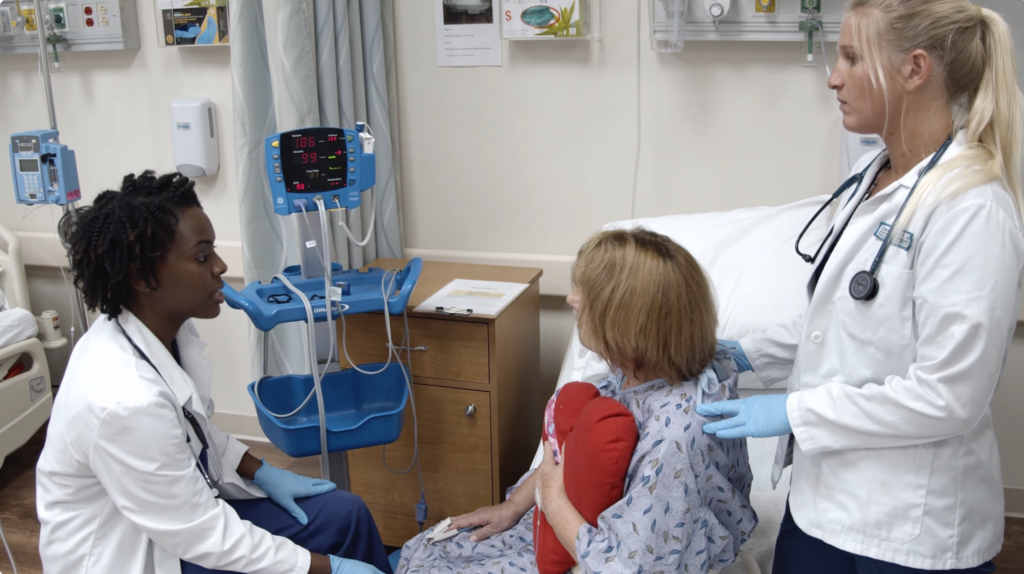
The Doctor of Physical Therapy (DPT) program at the University of St. Augustine for Health Sciences (USAHS) puts hands-on learning at the center of the student experience. Students begin practicing therapeutic touch and manual skills in their first term, moving from practice with classmates to standardized patient simulations and real clients through pro bono clinical experiences.
Students also have opportunities to work with technology such as motion analysis, augmented and virtual reality, and telehealth tools as they develop their clinical skills. Electives give students additional opportunities to explore areas that interest them, including sports therapy, manual therapy, pelvic health, neuro, and business leadership.
Faculty bring their own clinical experience into the classroom, giving students the opportunity to learn from professionals who understand the realities of patient care. With practice and feedback built throughout the program, students can develop the skills and confidence they need for fieldwork and their careers after graduation.
Transcript
Discover the Doctor of Physical Therapy (DPT) Program – USAHS
[00:00:00] Daniel S. (DPT Student): My experience has been great. I honestly really like the structure of it. [00:00:03] Dylan G. (DPT Student): It’s great. I love everyone here. [00:00:05] Geraldine U. (DPT Student): I feel like it’s just a big community. [00:00:06] Margaret Wicinski (PT Faculty): Our DPT curriculum is unique. The curriculum is definitely integrated from day one. [00:00:12] Maria Puzziferro (USAHS): When you think about how does a student learn best, how does anyone learn best, they learn by doing, taking the knowledge and the information and then applying it. [00:00:20] Margaret Wicinski (PT Faculty): As a physical therapist, the two most important tools in your toolbox are your hands, and here at the University of St. Augustine, we want our students to learn therapeutic touch and therapeutic use of hands starting in the first term. [00:00:34] Garrett Mandel (PT Faculty): They’ll practice with each other initially, and as they get checked off on those skills, they are approved then to move into certain simulations. [00:00:40] Garrett Mandel (PT Faculty): And as they go through these simulations, they’re put into a mock case where they’re working alongside a standardized patient, somebody who is working off of a script trying to mimic what it would be like to be in clinical practice. Once they’ve checked off their ability to go through the simulation, we engage them in our pro bono clinical experiences. [00:00:58] Dylan G. (DPT Student): Every day we come in here, we’re learning how to do things with our hands. We’re learning how to communicate with our patients, all aspects of being a physical therapist. [00:01:05] Austin R. (DPT Student): The professors will walk around. You know, that way if you have questions, you can ask them, or they’ll correct you on the spot and like, “Oh, you should try this instead.” [00:01:12] Garrett Mandel (PT Faculty): We have enough faculty that we can work around the room and give individual feedback to each person. [00:01:17] Kaylie B. (DPT Student): The faculty is great. [00:01:18] Margaret Wicinski (PT Faculty): Majority of the faculty that teach in our physical therapy programs still provide patient care. They each bring a unique piece of the profession of physical therapy to the classroom. [00:01:29] Daniel S. (DPT Student): Like, you can really tell that they genuinely do care. [00:01:32] Kaylie B. (DPT Student): So having that hands-on experience with our professors giving their clinical experience and input is very helpful. [00:01:39] Elisabeth McGee (USAHS): Innovation at USAHS is deeply tied to our DNA. We want students to be able to come into a learning space where they’re exposed to state-of-the-art technologies, both in the teaching and learning experience, but also technologies that prepare them for practice. [00:01:59] Daniel S. (DPT Student): It’s very nice to have, like, this, like, higher level technology because you can really look at it, touch it, feel it. [00:02:05] Elisabeth McGee (USAHS): That they can review their simulation encounters and hone their skills. Things like motion analysis or augmented reality, virtual reality, telehealth. [00:02:16] Margaret Wicinski (PT Faculty): Our entry-level program has electives included in the program. [00:02:21] Margaret Wicinski (PT Faculty): The electives have been designed for students either to take a track of electives or to be able to sample different aspects of physical therapy. [00:02:30] Elisabeth McGee (USAHS): Sports therapy, manual therapy, business leadership, pelvic health, neuro. Oftentimes, those are not taught in a DPT curriculum. We’re different here. [00:02:42] Kaylie B. (DPT Student): So I’m really glad that they have some options for us to choose from while we’re still in school so we know how many different options we have out there in the clinic. [00:02:49] Daniel S. (DPT Student): The opportunity to do that before you even graduate I think is incredible. [00:02:53] Elisabeth McGee (USAHS): They are ready day one of field work. They’re prepared. They’re confident. They really excel because we’ve trained them well. [00:03:00] Kaylie B. (DPT Student): I truly believe that our professors are setting us up for success. [00:03:03] Daniel S. (DPT Student): I would highly recommend the program.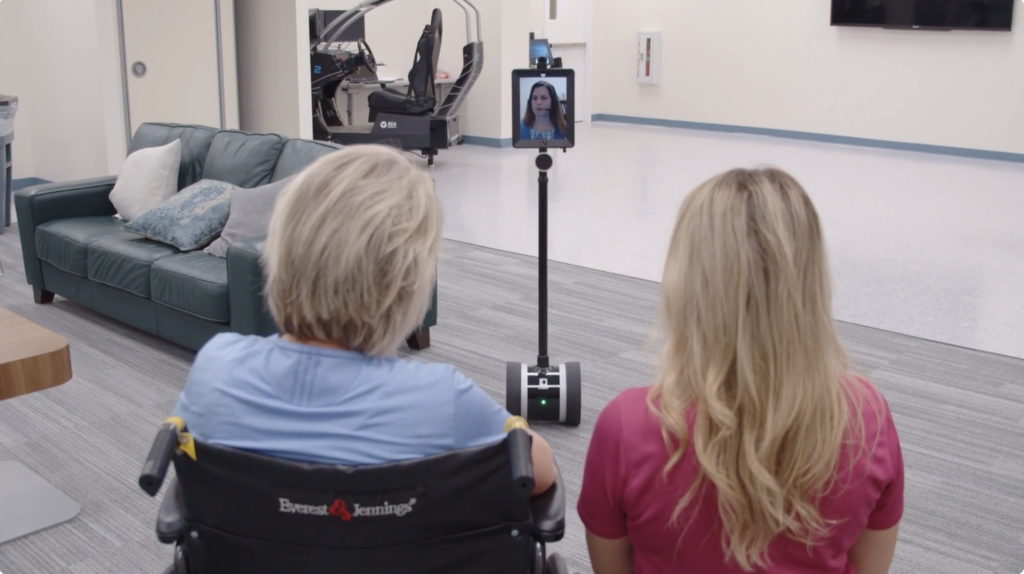
Introducing the Double Robot & Telehealth at the University of St. Augustine
A look at innovative learning technology at USAHS.
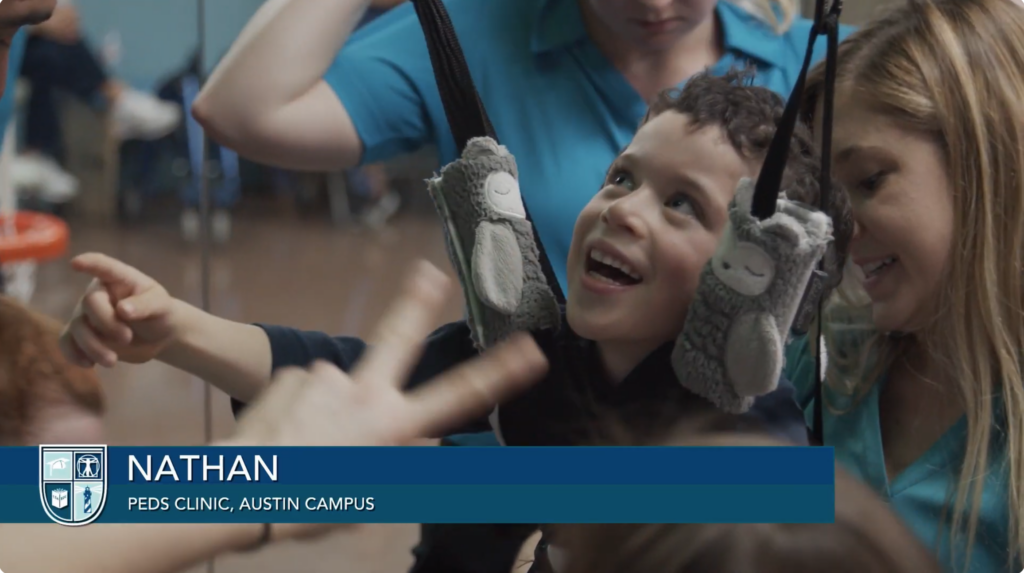
Doctor of Physical Therapy (DPT) Pediatric Clinic
Students, faculty and clients reflect on the pediatric clinic experience.
CardioPulm Simulation
How realistic simulations prepare PT students for clinical practice.