Pro Bono Clinics – PT Programs, University of St. Augustine for Health Sciences
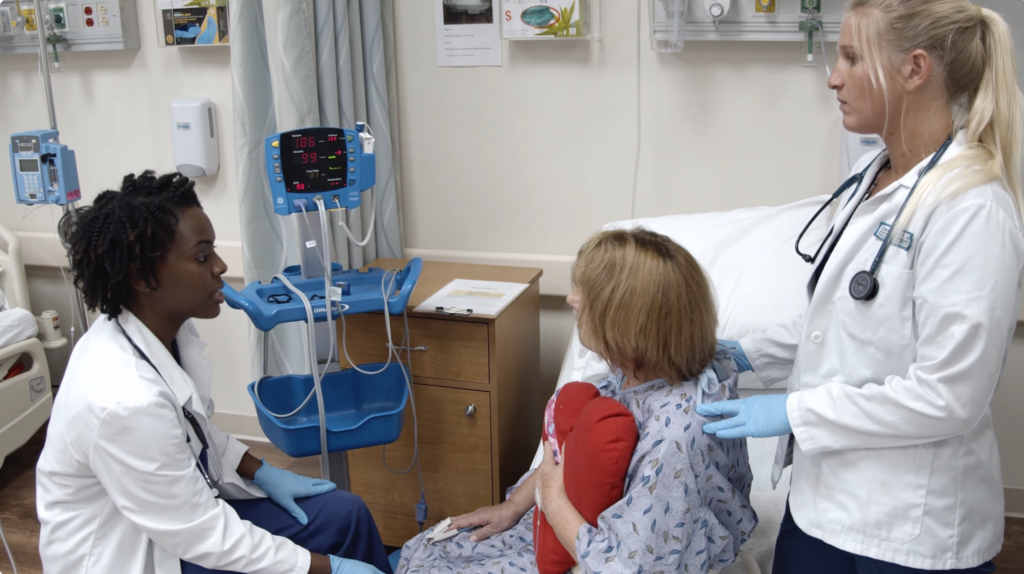
Doctor of Physical Therapy (DPT) students at the University of St. Augustine for Health Sciences (USAHS) get to work with real patients through the university’s community-based pro bono clinic. The clinic provides free care to people who are underinsured or don’t have insurance, giving students the opportunity to put what they’ve learned in the classroom and through simulation into practice.
With faculty there to guide them, students evaluate patients, develop treatment plans, and work with them to improve their ability to move and take part in the activities that are important to them, whether that’s working, enjoying a hobby, or managing everyday tasks.
For students, the experience is a chance to build confidence while knowing they have faculty to turn to when they have questions. Faculty also get to see students grow as they become more comfortable working with patients and build relationships with the people they treat.
The pro bono clinic gives PT students valuable experience working with real patients while also providing free care to members of the community who may have limited access to physical therapy.
Transcript
Pro Bono Clinics – PT Programs, University of St. Augustine for Health Sciences
[00:00:00] Garrett Mandel (PT Faculty): Our pro bono clinic, it is a, a community-based clinic, and we serve patients who either are under-insured or don’t have any insurance. [00:00:10] Nicole Capell (USAHS): Pro bono is designed to allow our students to have the opportunity to work with real patients under the close supervision of our faculty and staff. [00:00:20] Christian Guarino (USAHS): It’s a no-pressure scenario for students to really hone in on their skills before they go out to clinical practices. [00:00:27] Garrett Mandel (PT Faculty): This is a chance to get real-life clinical experience with real patients. [00:00:30] Nicole Capell (USAHS): So they’re taking what they learned in, um, their coursework and what they’ve experienced in simulations and actually getting to put it into play. [00:00:38] Garrett Mandel (PT Faculty): The patients that are coming in, they have some sort of need, and our students and faculty help identify the impairments that are limiting them in their functions. [00:00:46] Garrett Mandel (PT Faculty): And if we can address those impairments here in the clinic, we can get them back to doing whatever it is that they’re desiring for either work or their hobbies. [00:00:52] Nicole Capell (USAHS): Our students are able to say to their supervisor, “Hey, I’m having a problem. What should I do?” They know that they have that safety net. [00:01:00] Bryanna H. (PT Student): I’m glad that we have this opportunity. And me personally, I just feel a little bit more confident in my skills because I’m able to have our professors kind of go behind me and confirm what I’m feeling is right. [00:01:10] Sheila Brose (PT Faculty): I really enjoy seeing how the students grow. They’re laughing. I love seeing the joy in their faces. They leave every day in a better mood than when they came. [00:01:22] Kathy (PT Student): Honestly, the laughs that we get and just seeing the progress. Being able to see them not need as much assistance whenever we’re working with them. [00:01:32] Nikki (PT Student): The growth from not really being able to stand on their own to being able to stand, walk, everything is just such a cool experience. [00:01:40] Debbie Bundy (Client): I came in mostly using my wheelchair, switching between wheelchair and walker, and now I’m mainly using my walker or not. [00:01:46] Debbie Bundy (Client): And one thing I do love too is working with these students and watching them learn and watching them evolve, and it’s also fantastic that I’m progressing. It’s a bond that we make too, you know, and I’m glad to be part of it. [00:01:56] Garrett Mandel (PT Faculty): Getting patients back to things that they enjoy doing is my passion, and watching students help patients also get back to their function is my biggest joy. [00:02:04] Nicole Capell (USAHS): The opportunity to participate in pro bono is truly giving back to the communities. It’s just a really positive experience for everyone who participates.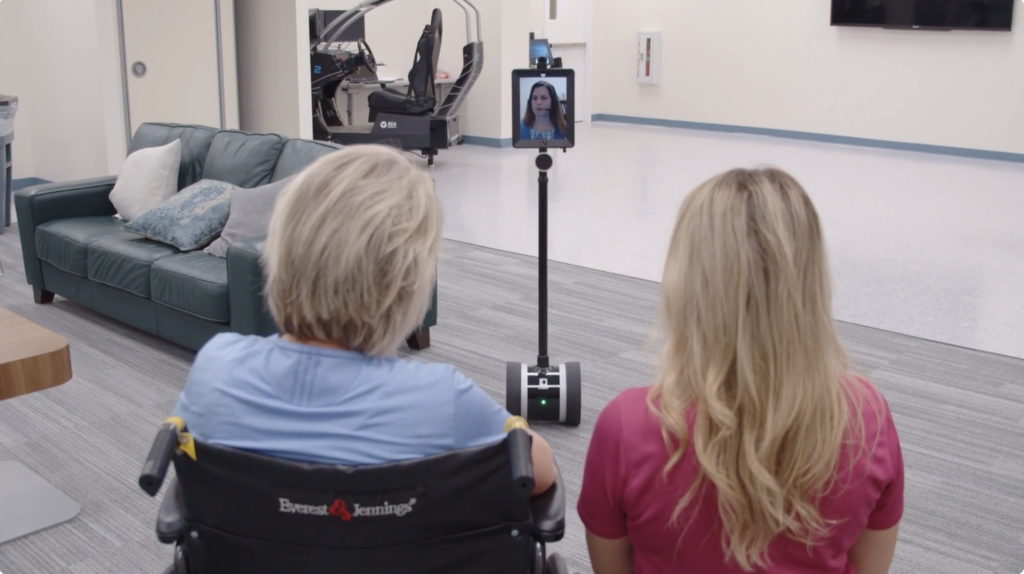
Introducing the Double Robot & Telehealth at the University of St. Augustine
A look at innovative learning technology at USAHS.
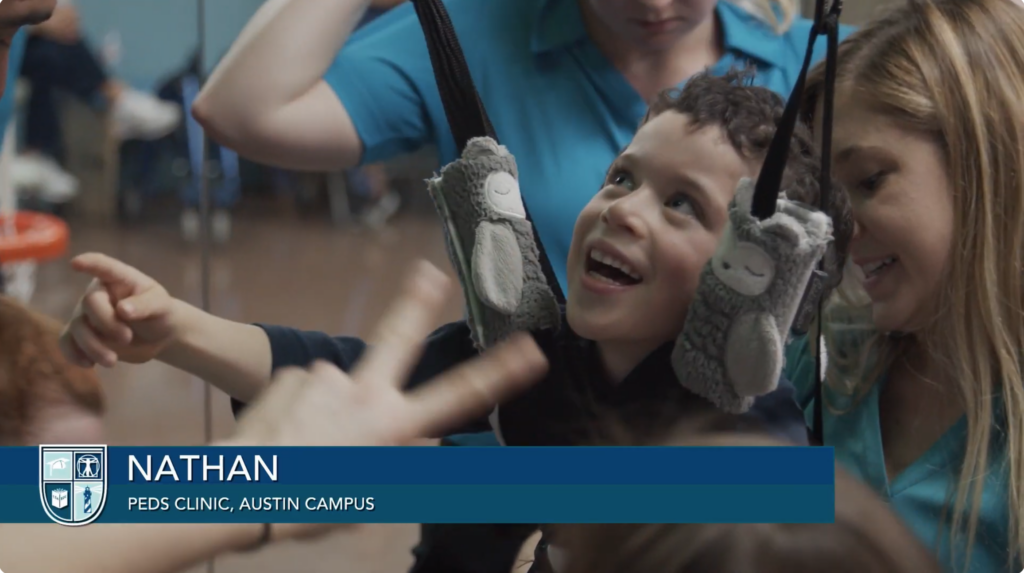
Doctor of Physical Therapy (DPT) Pediatric Clinic
Students, faculty and clients reflect on the pediatric clinic experience.
CardioPulm Simulation
How realistic simulations prepare PT students for clinical practice.