Is speech pathology a good career?
Speech-language pathology is projected to see 15% employment growth between 2024 and 2034, driven by increasing pediatric and adult care needs.1 Speech-language pathologists work in education and clinical settings, with schools and healthcare facilities making up most roles nationwide.2
The Master of Science in Speech-Language Pathology (MS-SLP) at the University of St. Augustine for Health Sciences (USAHS) can help you explore speech-language pathology as a career.
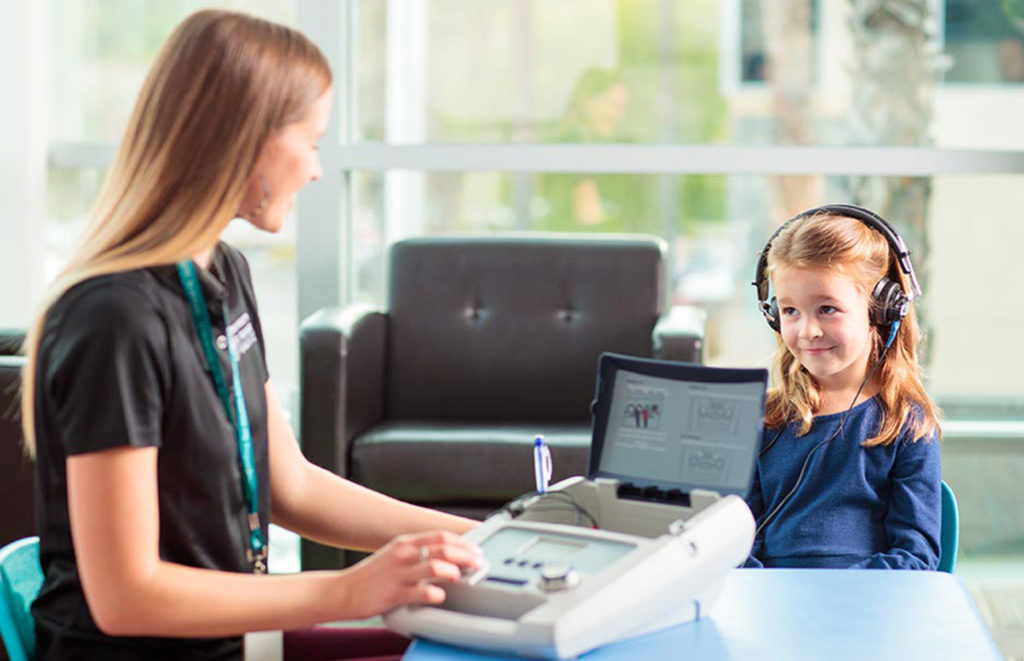
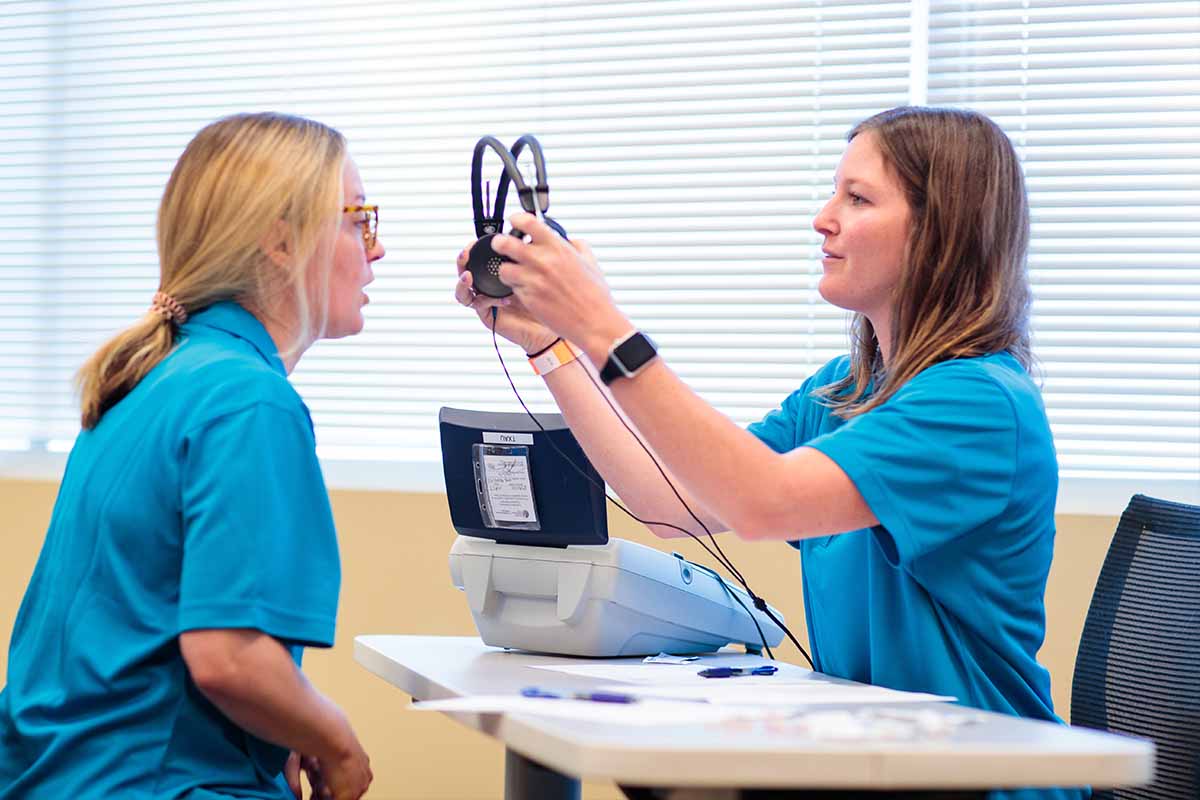
Speech-language pathologists (SLPs) assess and treat speech, language, voice, fluency and swallowing disorders across all ages. They may work with toddlers learning their first words, school-age children with literacy challenges, adults recovering from stroke or traumatic brain injury or elderly people managing swallowing or cognitive-communication changes.
Speech-language pathology as a career stands out as a rapidly growing graduate-level healthcare option in the United States. The rise of SLP, much faster than the average growth for all occupations, comes from demographic shifts, increased awareness of communication disorders and ongoing needs across school and healthcare systems.1
As the profession evolves, so does the way SLPs are trained. Hybrid education models that combine online learning, immersive learning and in-person clinical experiences have begun to mirror how care is delivered today.
USAHS’ MS-SLP program reflects these trends, preparing students for a career path that includes telepractice, interdisciplinary collaboration and the delivery of care across diverse settings.
Speech Pathology Career Outlook at a Glance
Are you wondering, what about speech-language pathology as a career?
Over the next decade, the Bureau of Labor Statistics (BLS) estimates approximately 28,200 additional speech-language pathologist jobs will become available across the U.S. 1 Along with new roles, the profession is expected to see an average of 13,300 openings each year.3 Many of these openings are projected to come from SLPs retiring or changing careers, not just new positions.
Projections aren’t guarantees, but they offer a helpful reference for national demand trends based on current data.3
What’s Driving Demand for SLPs?
There are a few key factors contributing to the growing need for SLPs.
Aging Population
One major demand driver for SLPs is the aging population. As adults live longer, there’s a higher chance of developing conditions like strokes and dementia, which can affect speech, language and swallowing.3 These trends support the ongoing demand for SLPs in hospitals, rehabilitation facilities and long-term care settings.
The BLS notes that health conditions associated with aging are a top reason SLP services are needed, particularly in medical and post-acute care settings.3
Pediatric Needs
On the pediatric side, growing awareness of speech and language disorders and autism spectrum disorder is increasing the need for SLP services in schools and early intervention programs.3 Schools rely heavily on SLPs to support students with communication, literacy and classroom participation.
Where SLPs Work: Key Settings
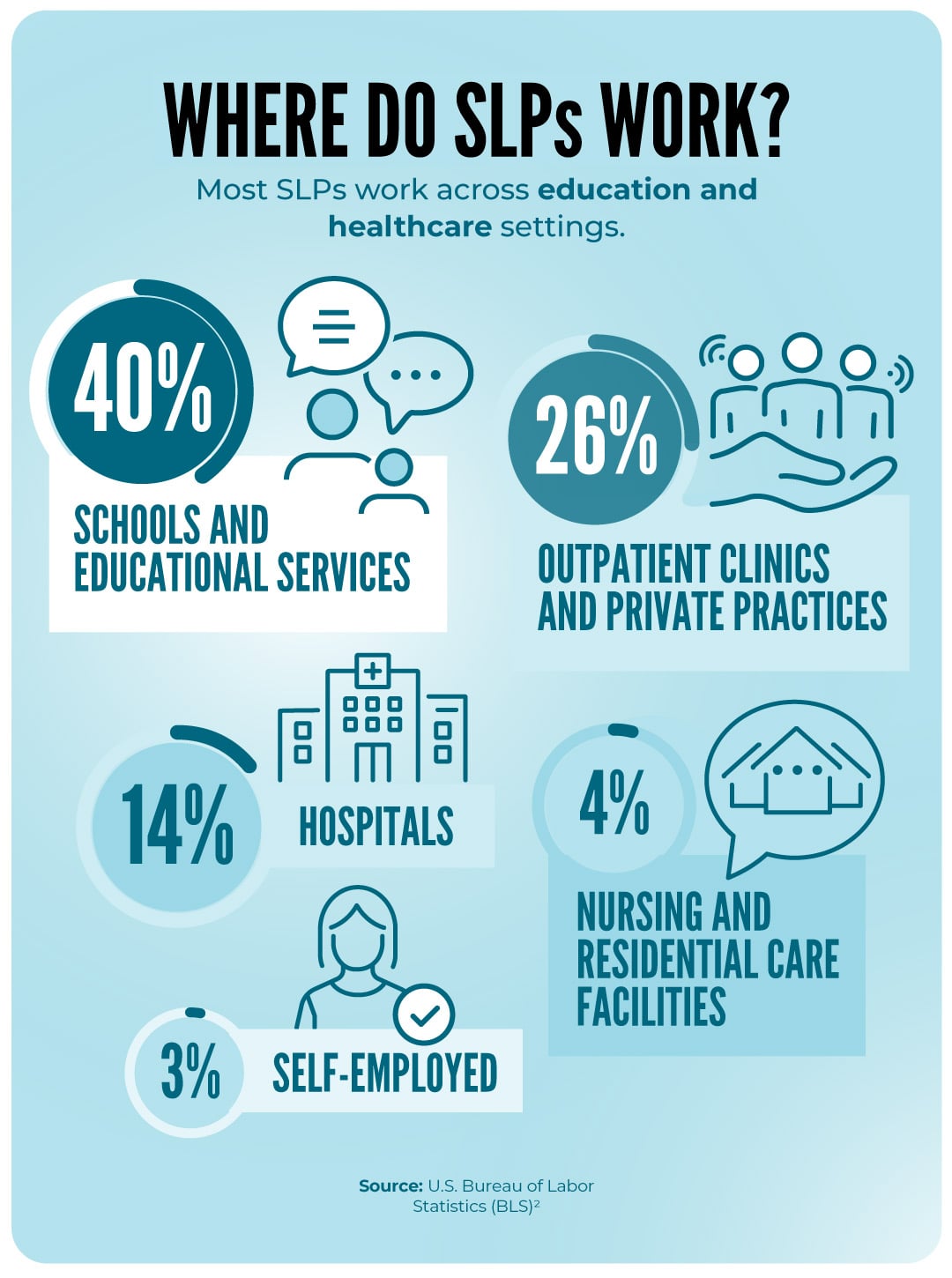
SLPs practice in many different environments, a key feature of the profession. According to the BLS, approximately 40% of SLPs work in educational services, including state, local and private schools.2 Healthcare settings also account for a significant portion of SLP employment.
About 26% of SLPs work in the offices of physical therapists (PTs), occupational therapists (OTs), SLPs and audiologists, which may include outpatient clinics and private practices.2 Hospitals employ approximately 14% of SLPs, while nursing and residential care facilities account for about 4%.2 Around 3% of SLPs are self-employed.2
Data from the American Speech-Language-Hearing Association (ASHA) brings another perspective. Approximately half of ASHA-certified SLPs work primarily in schools, and around 40% are working in healthcare facilities.4 SLPs may move between or choose roles across the education and healthcare fields throughout their careers.
Education, Licensure and Credentials: Snapshot
There are a few things you’ll need to keep in mind when pursuing an SLP career. Here’s a speech pathology career outlook.
Minimum Education
Both the BLS and ASHA note that SLPs typically need at least a master’s degree in SLP.1,5 This graduate-level program provides the academic and clinical foundation required for entry-level practice across different work settings.
Accreditation
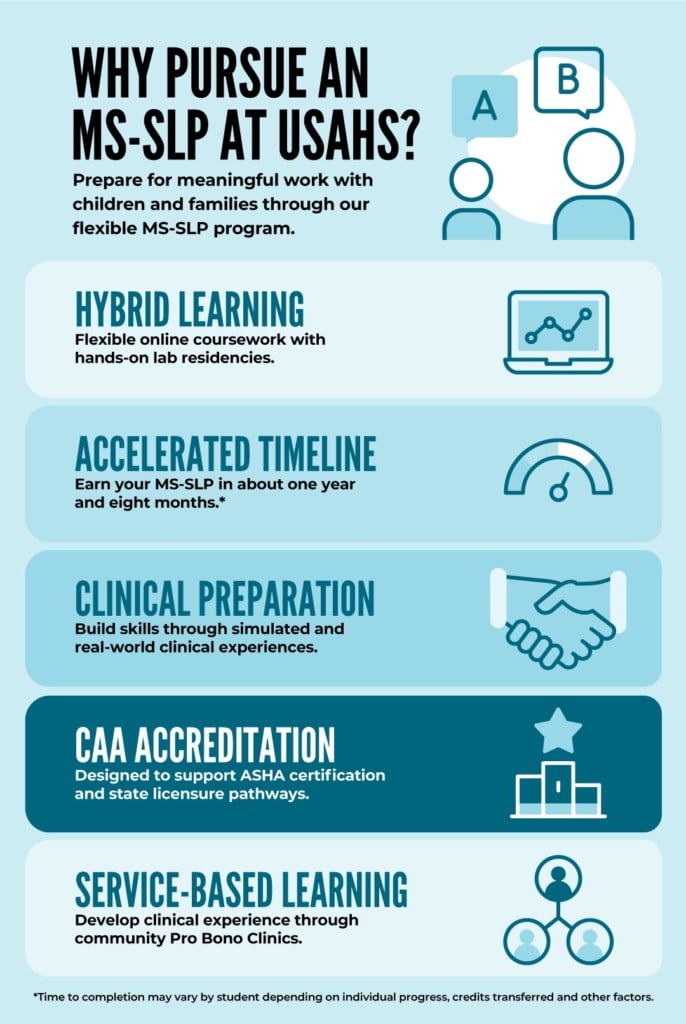
Accreditation plays a key role in SLP education. The Council on Academic Accreditation in Audiology and Speech-Language Pathology (CAA) accredits master’s programs that prepare students for entry-level SLP practice.6 Graduation from a CAA-accredited program is required for ASHA certification and is typically required for state licensure.6
Selecting a CAA-accredited program helps ensure that coursework, clinical training and outcomes align with professional standards nationwide.
Licensure & Certification
All states require SLPs to be licensed. Requirements vary by state, but achieving licensure typically includes earning a CAA-accredited master’s degree, supervised clinical hours, a passing score on the Praxis® Speech-Language Pathology exam and completing a clinical fellowship.1,5
How USAHS Prepares Students for a Changing SLP Job Market
The USAHS MS-SLP program is a hybrid online program that offers flexibility and structured, hands-on learning.
Residencies
Students move through our MS-SLP program with a flexible blend of online coursework and select live weekday sessions, paired with hands-on training during three-day on-campus lab residencies each trimester in the first four terms.
Residencies take place across USAHS campuses in California, Florida and Texas, giving students dedicated time for skill-building and connection with faculty and peers. The program is designed to be completed in about five trimesters, approximately one year and eight months.*
Professional Preparation and Career Readiness
Offered at our San Marcos, CA, St. Augustine, FL, Austin, TX and Dallas, TX campuses, the USAHS MS-SLP program is CAA-accredited. It meets educational requirements tied to professional preparation, including eligibility for licensure and the Certificate of Clinical Competence in Speech-Language Pathology (CCC-SLP).
To support career readiness, USAHS also provides faculty mentorship and clinical placement support, helping students gain experience across a range of settings, including schools, hospitals and clinics. Graduates are prepared to step confidently into roles in both education and healthcare.
Pro Bono Clinics
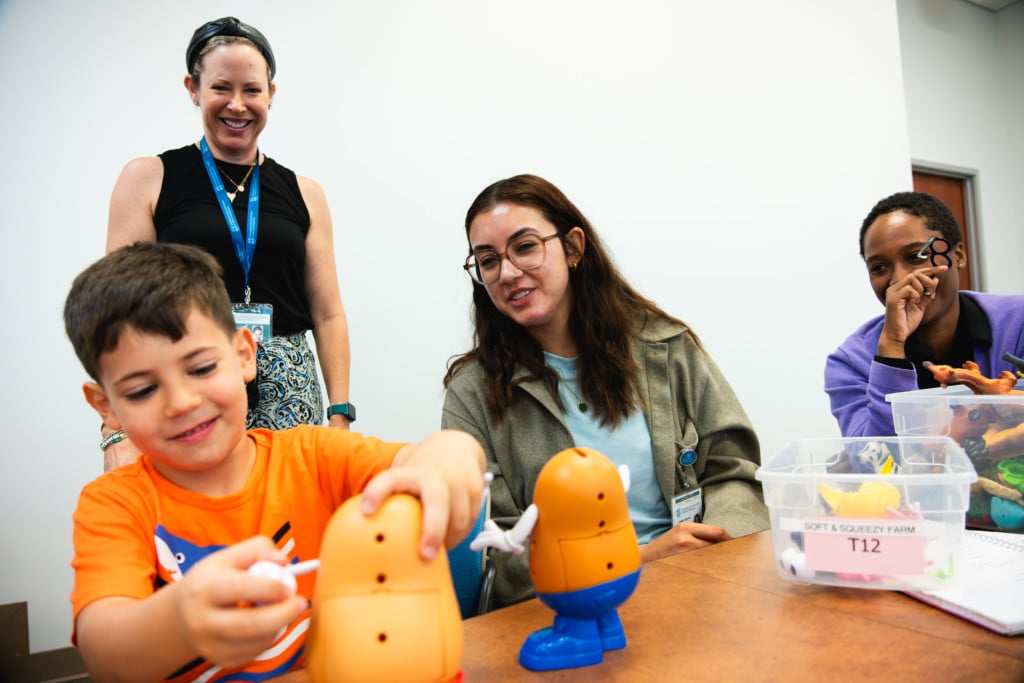
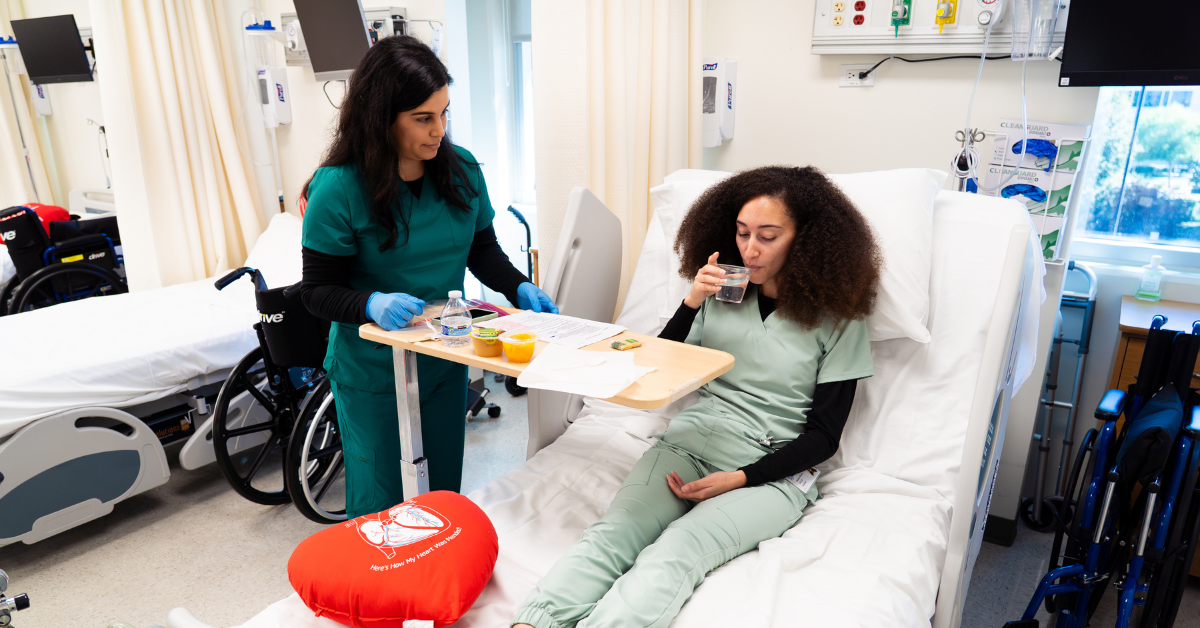
Another feature of the program is the USAHS Pro Bono Clinics. In our Pro Bono Clinics, MS-SLP students deliver speech-language pathology services to community members at no cost, gaining hands-on experience that supports confidence and career readiness. Because services are provided through a telehealth model, students also build practical telepractice skills, an increasingly important part of care delivery in healthcare and school-based settings.
Skills Development
Along the way, students strengthen the human aspect of clinical practice. They learn how to build rapport, communicate, educate families and maintain professionalism in real client interactions, including in a virtual environment.
Students build these skills under the guidance of ASHA-certified, state-licensed SLPs and faculty, translating coursework into real-time clinical decision-making with supportive feedback. Depending on client needs, experiences may include work related to speech, language, voice, fluency, AAC (Augmentative and Alternative Communication), pragmatics, cognition and swallowing for children and adults, helping students prepare for the variety they’ll encounter in practice.
Is Speech-Language Pathology a Good Career?
According to BLS and ASHA data, SLP continues to be a strong healthcare career path with a promising outlook. The profession offers above-average earnings, with a median annual salary of about $95,410 nationally and higher wages reported in some healthcare settings.** 7
Job growth is projected at 15% through 2034, with thousands of openings expected each year. Persistent vacancies in schools and healthcare settings indicate a strong and ongoing demand for qualified professionals.4
SLPs also benefit from diverse work settings and ever-evolving practice models. Opportunities exist in schools, hospitals, outpatient clinics, long-term care, home health and telepractice. For those interested in communication, science and client-centered care, SLP is a promising career choice.

FAQs
Is speech pathology a good career for the next 10 years?
Yes. Based on current BLS projections, SLP is expected to grow much faster than the average for all careers over the next decade.1 While no projection is a guarantee, national data points to ongoing demand driven by pediatric and adult care needs.
Are there SLP shortages in schools and healthcare?
In some cases, ASHA reports ongoing vacancies in school and healthcare settings, particularly in certain regions and specialties.4 These shortages can vary by location.
Which SLP work settings tend to pay the most?
BLS data shows higher median wages in nursing and residential care facilities, hospitals and outpatient clinics, with lower, yet competitive, medians in educational services.7 ASHA healthcare salary surveys also show higher medians in settings like skilled nursing facilities, hospitals and pediatric hospitals.4
How can a program like USAHS help me prepare for this career?
USAHS offers a CAA-accredited, hybrid MS-SLP program that combines online coursework, on-campus residencies and 375 direct clinical contact hours earned in the program, including telehealth. The program’s focus on diverse clinical exposure, faculty mentorship and telepractice aligns closely with how and where SLPs are working today, helping students prepare for current and emerging roles in the profession.
*Time to completion may vary by student, depending on individual progress, credits transferred and other factors.
** This data represents national figures, is not based on school-specific data and represents national median annual wages, not starting pay for recent grads. Conditions in your area may vary. USAHS does not guarantee salary levels.
References:
- “Occupational Outlook Handbook: Speech-Language Pathologists,” U.S. Bureau of Labor Statistics (BLS), August 28, 2025, https://www.bls.gov/ooh/healthcare/speech-language-pathologists.htm.
- “Occupational Outlook Handbook: Speech-Language Pathologists: Work Environment,” U.S. Bureau of Labor Statistics (BLS), August 28, 2025, https://www.bls.gov/ooh/healthcare/speech-language-pathologists.htm#tab-3.
- “Occupational Outlook Handbook: Speech-Language Pathologists: Job Outlook,” U.S. Bureau of Labor Statistics (BLS), August 28, 2025, https://www.bls.gov/ooh/healthcare/speech-language-pathologists.htm#tab-6.
- “Supply and Demand Resource List for Speech-Language Pathologists,” The American Speech-Language-Hearing Association (ASHA), 2025, https://www.asha.org/siteassets/surveys/supply-demand-slp.pdf.
- “ Certification,” The American Speech-Language-Hearing Association (ASHA), 2024, https://www.asha.org/certification/.
- “Programs,” The Council on Academic Accreditation in Audiology and Speech-Language Pathology (CAA), 2026, https://caa.asha.org/programs/.
- “Occupational Outlook Handbook: Speech-Language Pathologists: Pay,” U.S. Bureau of Labor Statistics (BLS), August 28, 2025, https://www.bls.gov/ooh/healthcare/speech-language-pathologists.htm#tab-5.