When Ellie Cooper, PhD, CCC-SLP, LSLS, Cert. AVT, assistant professor in the Master of Science in Speech-Language Pathology (MS-SLP) program at the University of St. Augustine for Health Sciences (USAHS) Dallas, learned she had been selected for the American Speech-Language-Hearing Association’s (ASHA) highly competitive Pathways Program, she saw more than a professional milestone. She envisioned an opportunity to become a stronger researcher and educator for the next generation of speech-language pathologists (SLPs).
Designed for early-career clinical researchers in communication sciences and disorders (CSD), the year-long Pathways Program pairs emerging faculty with nationally recognized mentors to help them build impactful research agendas.
ASHA Pathways helps participants develop a five-year research career plan, acclimate to a research career, build a publication record and learn about funding opportunities. ASHA states, “The specific goal of the program is to assist participants in developing a funded clinical research program. Pathways aims to enhance the training, retention and funding success of clinical scientists in communication sciences and disorders, with the ultimate goal of advancing the evidence base of the discipline.”
For Dr. Cooper, whose research focuses on preparing providers to effectively serve children who are Deaf or hard of hearing, the experience is already shaping what USAHS MS-SLP students will gain in and beyond the classroom.
A national mentorship that starts with big questions
Being selected for Pathways was both exciting and affirming for Dr. Cooper.
“It was a big honor,” she says. “It’s a competitive opportunity, and research has always been a passion of mine.”
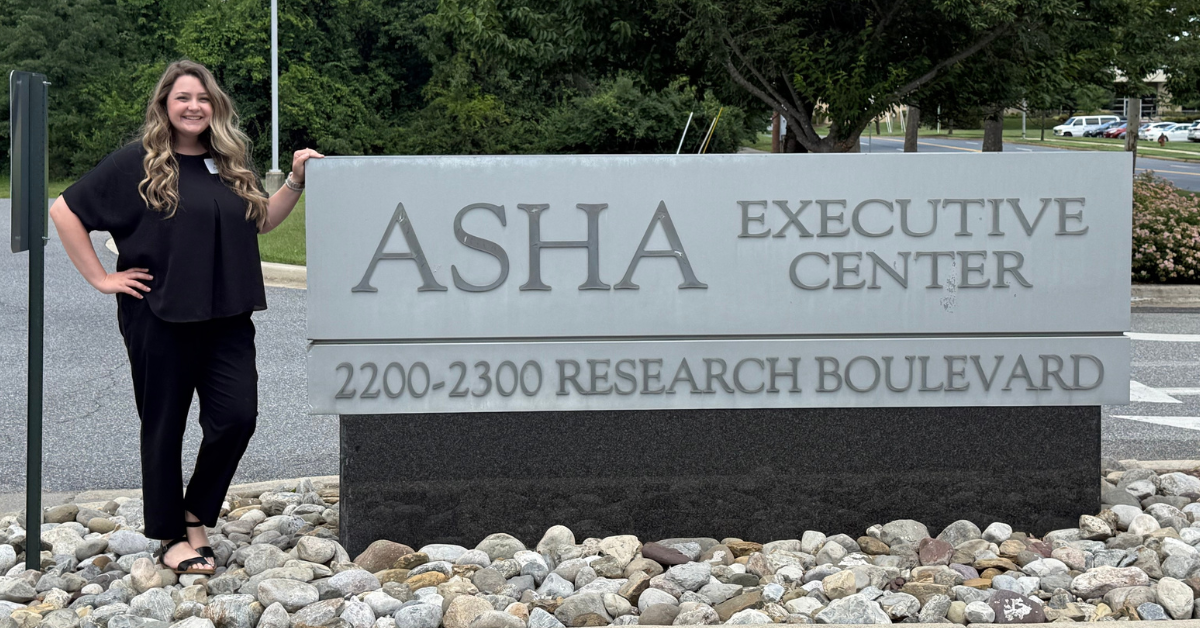
Pathways began in early June with an intensive research development conference at ASHA’s National Office near Washington, D.C. Before arriving, participants were paired with experienced mentors and asked to develop one-year and five-year plans outlining their teaching, service and research goals.
Throughout the conference, leading researchers led sessions on topics such as grant writing, developing study aims and building long-term research agendas. After each session, scholars, known at Pathways as protégés, met with their mentors to apply those lessons directly to their work.
“I’ve learned these concepts before in my PhD program but this time it was detailed, personalized and directly connected to the research I want to build,” Dr. Cooper explains.
Turning ideas into exploration that makes a difference
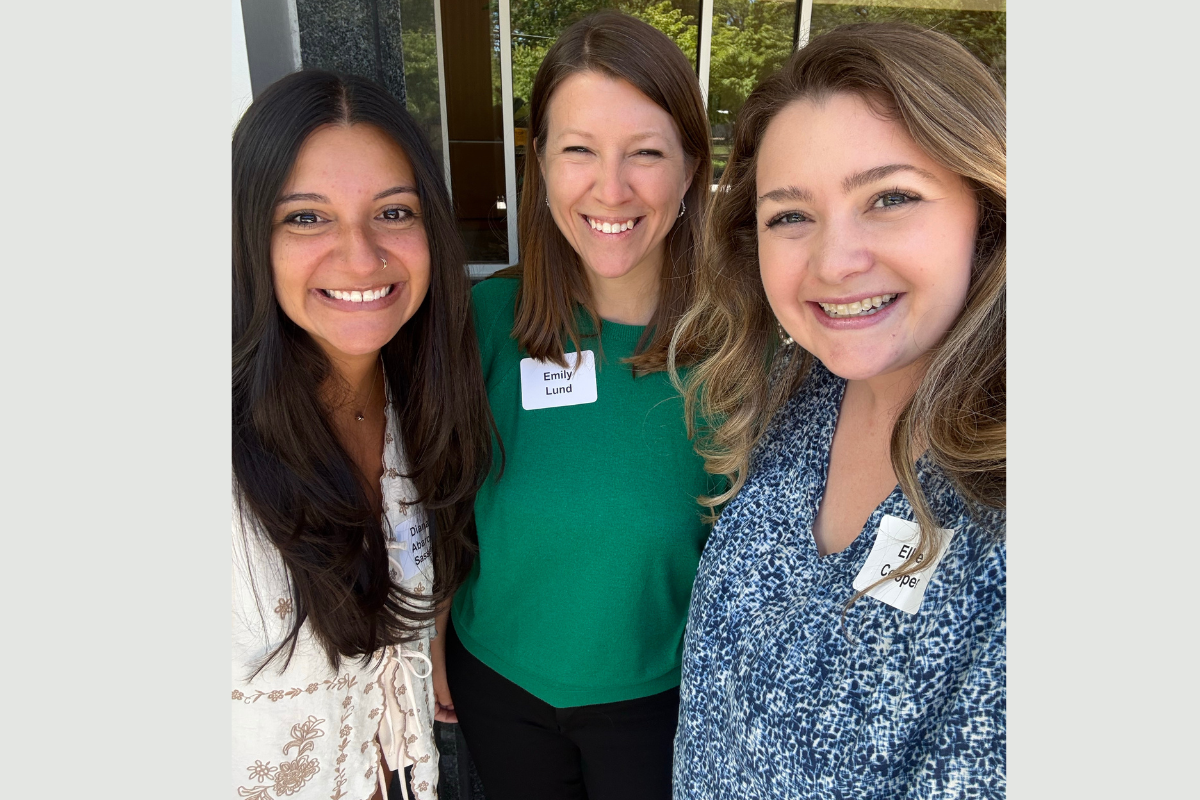
Dr. Cooper was paired with Emily Lund, PhD, CCC-SLP, professor at Texas Christian University (TCU) and a respected researcher whose expertise closely aligns with her own interests.
“I came in with an idea about improving how we train students to work with children who are Deaf or hard of hearing,” Dr. Cooper elaborates. “My mentor challenged me to think bigger. She asked, ‘What does this mean for outcomes?’ How do we move the needle in hearing loss research?’”
These conversations helped sharpen Dr. Cooper’s long-term vision. Rather than focusing only on student confidence, her research now considers how stronger clinical preparation can ultimately improve outcomes for children and families.
She shares, “Having someone with that level of expertise helping me think through each step is invaluable.”
The mentorship doesn’t end after the conference. Throughout the year, Dr. Cooper will continue to meet regularly with her mentor and fellow Pathways scholars as they refine projects, pursue funding and support one another’s progress.
Bringing research back to the classroom
Long before joining academia, Dr. Cooper worked as an SLP supporting children who are Deaf or hard of hearing in hospitals and schools. Her clinical background continues to shape both her teaching and research. It allows her to share real-world examples with students, including stories of children whose hearing loss was identified later, helping them learn how to educate and communicate effectively with families throughout the diagnostic process.
“I saw many school-based SLPs who wanted to support these students but didn’t always have the knowledge or expertise,” she says. “Now I’m asking how we can better train future SLPs so they feel confident working with this population.”
That question is already driving research at USAHS. Dr. Cooper is collecting data to better understand what graduate students know about supporting children who are Deaf or hard of hearing and where additional training may be needed. The findings could help guide future curriculum enhancements, simulations and hands-on learning opportunities. This research is funded through USAHS’ recently launched faculty research initiative, which provides mini-grants to support faculty scholarship.
“I don’t want to implement something we don’t have research to support,” she explains. “I want evidence that tells us where students are now and what training will help them most.”

A culture that sets faculty and students up to thrive
Dr. Cooper says participation in Pathways builds upon an already supportive culture at USAHS.
She credits USAHS MS-SLP colleagues and leadership, including Dr. Lekeitha R. Morris and Dr. Meghan Savage, for encouraging innovation and supporting faculty as they have new ideas.
“I truly feel this University values innovation. Every idea has been met with, ‘Yes. How can we support you?’”
For MS-SLP students, that commitment means learning from faculty who are actively advancing the profession while bringing those discoveries directly into the curriculum.
Dr. Cooper says, “I’m passionate about this work. As we learn more through research, we’ll continue creating new opportunities that help our students become confident, evidence-based clinicians.”