For students pursuing a career in speech-language pathology, choosing a graduate program is about more than earning a degree. It’s about finding an education that prepares them to care for clients, families and communities with confidence and compassion.
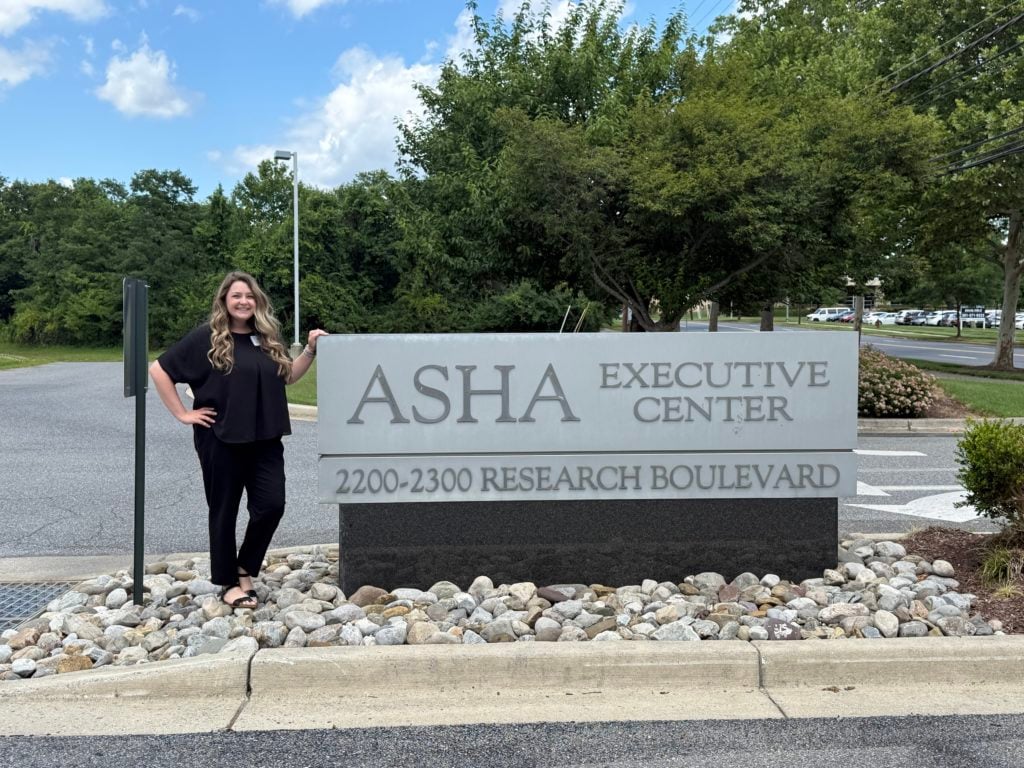
A key part of ensuring that preparation is maintaining high standards across graduate education programs nationwide. That work happens through organizations like the Council on Academic Accreditation in Audiology and Speech-Language Pathology, the accrediting body of the American Speech-Language-Hearing Association (ASHA) and is responsible for establishing and upholding quality standards for graduate programs in speech-language pathology and audiology.
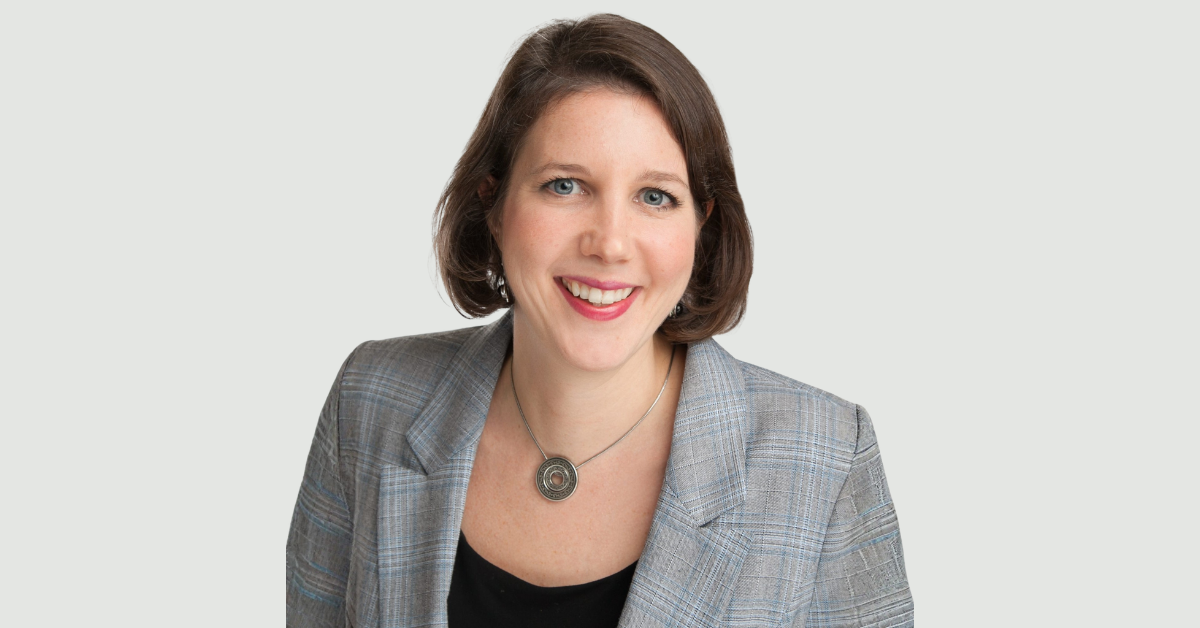
In January 2026, Meghan Savage, PhD, CCC-SLP, FNAP, and associate dean of the Master of Science in Speech-Language Pathology (MS-SLP) program at the University of St. Augustine for Health Sciences (USAHS), began a four-year term as an Academic Speech-Language Pathology council member for the CAA. Her appointment represents not only national recognition of her leadership in speech-language pathology education, but also a natural extension of the experience she brings to the role and the value students gain from faculty expertise beyond the classroom.
“I am honored to serve in this capacity and to contribute to the quality of graduate education in our profession,” says Dr. Savage. “The CAA plays a critical role in supporting academic programs that prepare the next generation of clinicians, and I look forward to engaging in this meaningful work.”
Bringing accreditation expertise to graduate education
Dr. Savage’s path to the CAA reflects years of experience supporting graduate programs at every stage of their evolution, from early development and initial accreditation to ongoing evaluation and reaccreditation.
When USAHS’ MS-SLP program was created, Dr. Savage was involved in building the program and navigating the accreditation process. She later helped lead the program through initial accreditation as a hybrid program, leveraging expertise in developing innovative approaches to graduate education.
“I bring a full life cycle perspective to the CAA, with experience in both established and newly developed programs,” Dr. Savage explains. “I’ve seen accreditation from different angles, from helping build a program from the ground up to guiding a program through the accreditation process.”
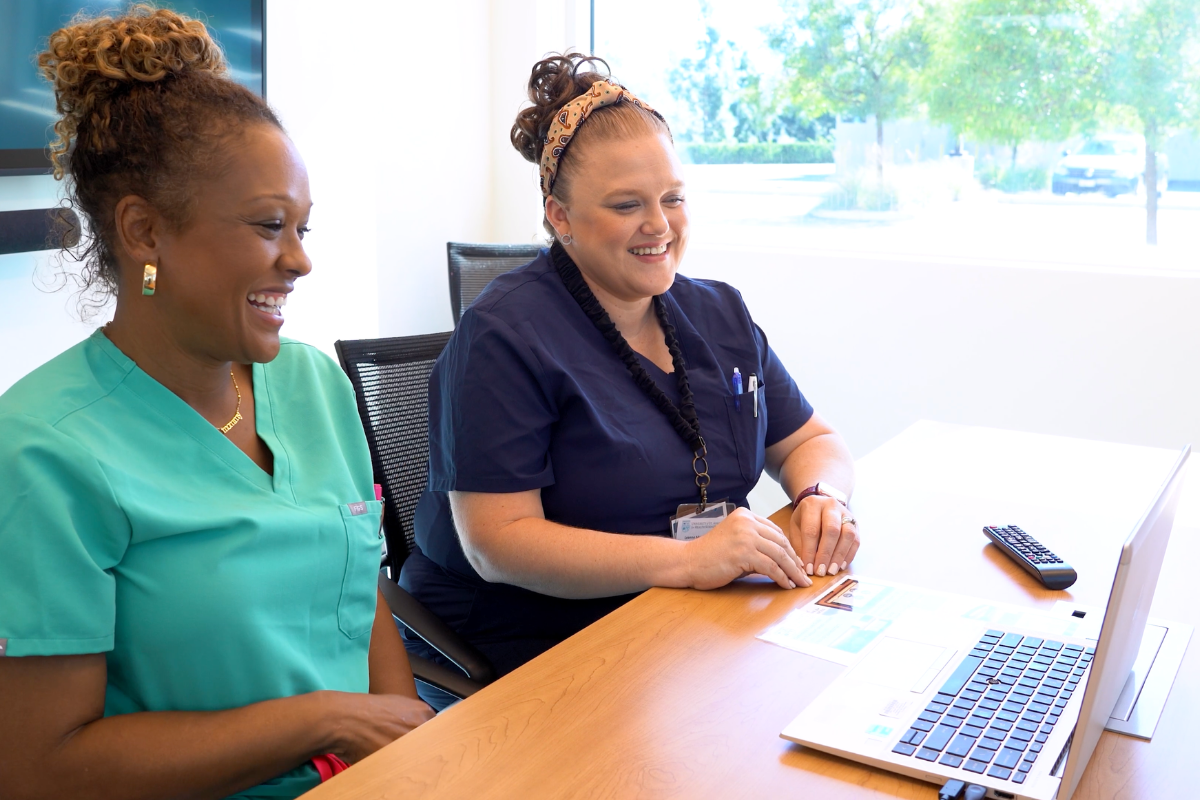
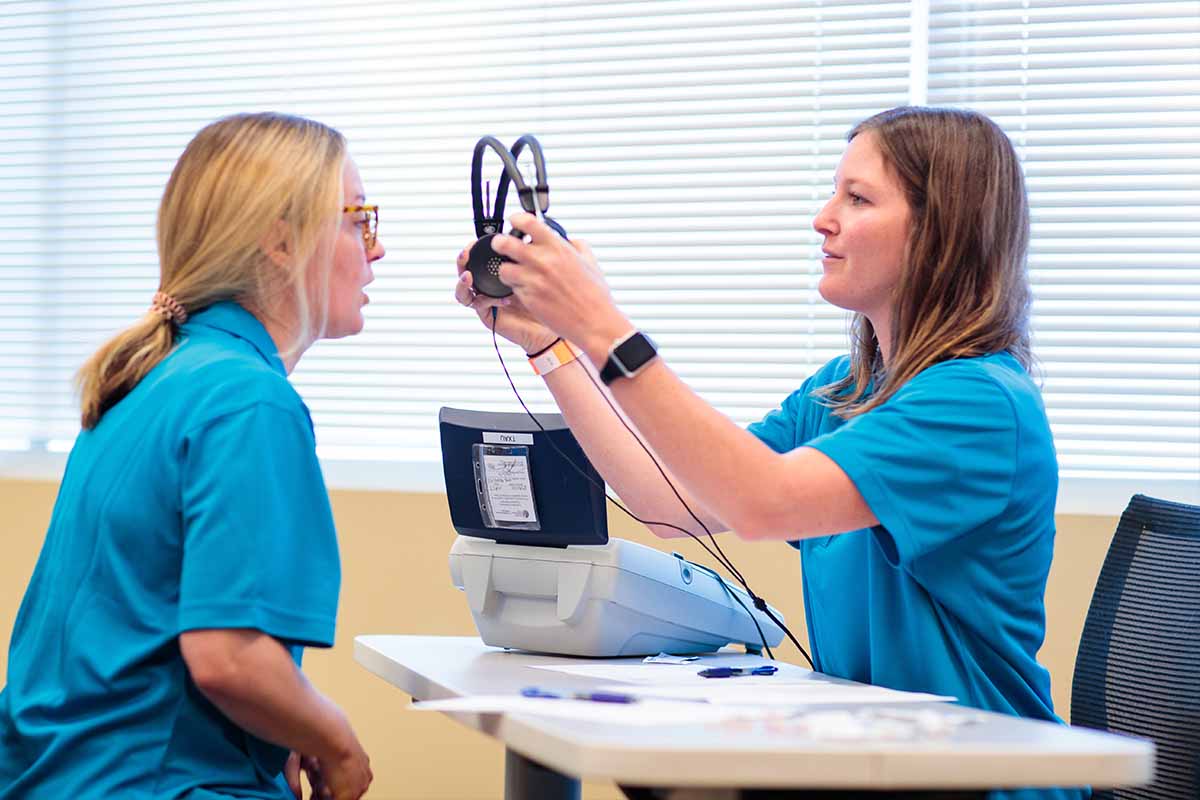
Her experience with online education also provides a unique lens as more graduate programs explore flexible learning models. Over the past seven years, Dr. Savage has helped develop a hybrid MS-SLP program that integrates online coursework, hands-on training, clinical simulation and a teletherapy Pro Bono Clinic serving clients across multiple states.
“As distance education continues to grow, I think there is an important conversation around how we deliver high-quality education in different ways,” Dr. Savage argues. “My experience with distance education allows me to contribute to discussions about maintaining high quality while continuing to innovate.”
Connecting national insights to student success
Serving on the CAA provides Dr. Savage with the opportunity to learn from graduate programs across the country.
One of the aspects she finds most valuable is seeing the creativity within SLP education. Accreditation standards provide a framework for quality, but programs have the flexibility to meet those standards in ways that best benefit their students.
“Our standards are not prescriptive,” Dr. Savage explains. “There are countless ways for programs to meet them, and it’s exciting to see the different approaches programs take in teaching and assessing students.”
As USAHS’ MS-SLP program grows and evolves, Dr. Savage brings back ideas about curriculum design, student assessment and innovative approaches to preparing the next generation of speech-language pathologists (SLPs).
“It has been incredibly helpful to see how other programs think about teaching and learning,” she reflects.
Connecting national standards to student success
Dr. Savage’s role within the CAA strengthens the connection between national standards and the student experience. Her work allows students to learn from a faculty member who understands both the broader landscape of MS-SLP education and the day-to-day experience of preparing future SLPs.
“Students want to attend a program that is accredited because it’s essential to entering the profession,” Dr. Savage underscores. “Having faculty who understand accreditation and the standards behind it helps ensure that we are continuing to provide a high-quality education.”
Dr. Savage’s appointment reflects her longstanding contributions to the field and highlights the University’s leadership in advancing health sciences education nationwide.
“Dr. Savage’s election to the CAA is a prestigious achievement and a reflection of her exceptional leadership and commitment to academic excellence,” says Dr. Maria Puzziferro, Interim Chief Academic Officer at USAHS. “Her service on this council will extend the University’s influence on the future of graduate education in speech-language pathology across the country.”

From accreditation to student impact
At the center of Dr. Savage’s work, within the MS-SLP program and through the CAA, is a focus on students and the clients they will one day support.
Dr. Savage sees graduate education as more than preparing students with the clinical knowledge and skills they need to enter the profession. It is an opportunity to shape thoughtful, adaptable clinicians who are prepared to work with individuals from diverse backgrounds and across the lifespan. She believes students should learn to approach each person with curiosity, cultural responsiveness and an understanding that effective care is not one-size-fits-all.
By encouraging students to think critically, reflect on their experiences and adapt their clinical approach, Dr. Savage hopes to prepare clinicians who feel confident navigating the complexities of practice while providing meaningful, person-centered care.
At the heart of that approach is a deeply personal commitment to the quality of care students will one day provide. “I want our students to provide care to clients in the way that I would want someone to care for my own family,” she says. “That is what drives the way we teach and train our students.”
Through her national leadership and dedication to student learning, Dr. Savage is helping strengthen SLP education and ensuring graduates enter the profession ready to improve the lives of those they serve.